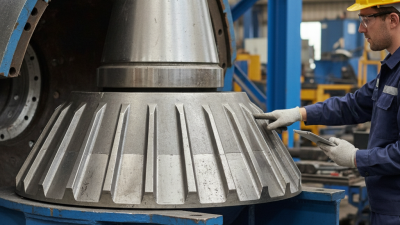
China Best Scrap Metal Recycling Wear Parts Overview and Benefits?
In the rapidly evolving industry of Scrap Metal Recycling Wear Parts, understanding its advantages can significantly impact both sustainability and cost-efficiency. Leading expert in recycling technology, Dr. Wei Zhang, emphasizes, “The right wear parts can enhance the lifecycle of machinery while reducing waste.” This insight highlights the importance of quality when choosing parts for recycling operations.
The benefits of Scrap Metal Recycling Wear Parts are multifaceted. They help in optimizing the performance of machinery, thereby saving costs in the long run. Recycled materials often hold up as well as, if not better than, new parts. This practice contributes to a circular economy, reducing environmental impact.
However, it's essential to consider the challenges within this sector. Not all wear parts meet the same standards. Some may fail to perform effectively, leading to increased downtime or higher maintenance costs. Awareness of such discrepancies is crucial for making informed decisions. The balance between cost and quality is a constant reflection point for businesses in this field.
Overview of Scrap Metal Recycling in China
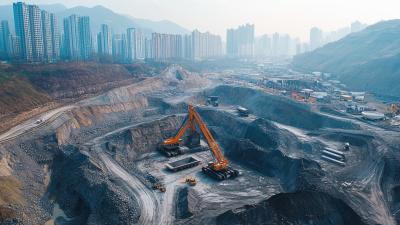
Scrap metal recycling is a growing industry in China. In 2022, China's scrap metal recycling accounted for around 22% of the global total, according to reports from the China Association of Metal Recycling. This highlights the country's significant role in the global market.
The scrap metal recycling process in China involves collecting, processing, and redistributing metals. This not only conserves resources but also reduces environmental pollution. In fact, recycling one ton of scrap steel can save up to 1,000 kilograms of iron ore and 740 kilograms of coal. However, challenges remain, such as inefficient waste management systems and varying regulations across provinces.
Moreover, the rapid industrial growth in China has led to an increasing demand for recycled materials. It's estimated that by 2025, the demand for recycled metals may rise by over 30%. This surge calls for improvements in recycling technology and infrastructure. Addressing these issues can bolster sustainability efforts and enhance the performance of the recycling sector.
Overview of Scrap Metal Recycling in China
| Type of Scrap Metal |
Recycling Rate (%) |
Benefits |
Applications |
| Ferrous Metals |
90 |
High strength, cost-effective |
Construction, automotive |
| Aluminum |
75 |
Lightweight, corrosion-resistant |
Packaging, aerospace |
| Copper |
80 |
Excellent conductivity, recyclable |
Electronics, wiring |
| Lead |
60 |
High density, resistant to corrosion |
Batteries, radiation shielding |
| Stainless Steel |
70 |
Durable, aesthetically pleasing |
Kitchenware, medical instruments |
Types of Wear Parts Used in Recycling Processes
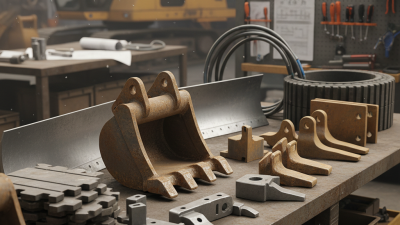
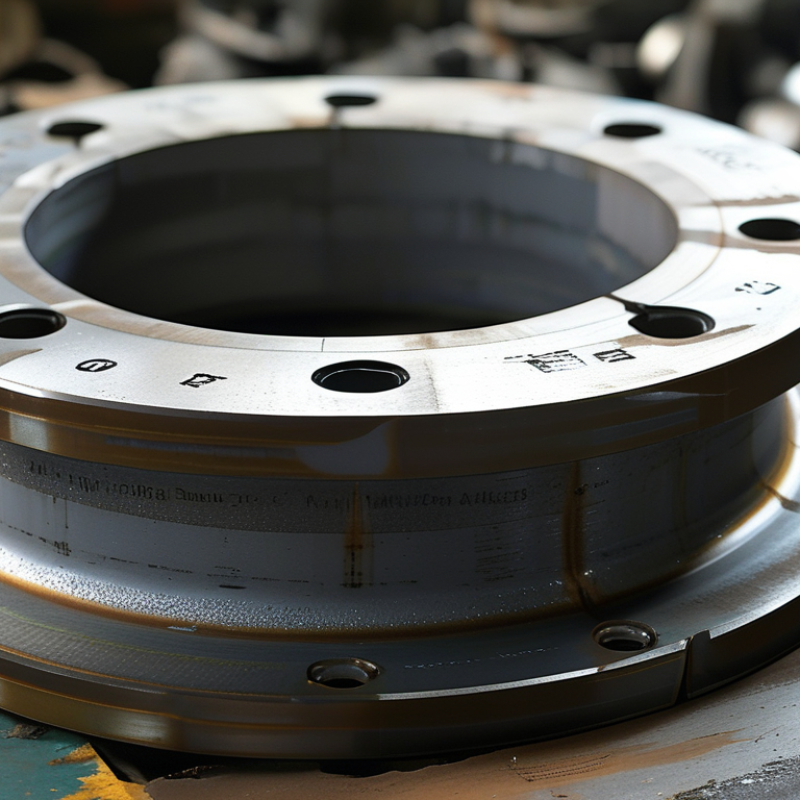
In the recycling industry, wear parts are critical for efficient operations. These components endure harsh conditions during the processing of scrap metals. Essential types include blades, hoppers, and screens. Each plays a distinct role in ensuring smooth material handling. For instance, high-quality cutting blades enhance the efficiency of shredders and shears.
The most commonly used materials for these parts are high-chrome alloys and hardened steels. They provide the necessary durability to withstand wear and tear. According to a report from the International Journal of Recycling, wear parts can degrade by up to 40% faster if not maintained properly. This emphasizes the need for regular inspections and timely replacements.
Another issue arises from the varying quality of available products in the market. Some parts may not meet industry standards, leading to premature failures. A survey from Recycling Today highlighted that about 30% of recycling companies have faced production delays due to inadequate wear parts. This statistic underscores the importance of selecting reliable, high-performance components to maximize operational efficiency.
Environmental Benefits of Scrap Metal Recycling
Scrap metal recycling offers significant environmental benefits. It reduces the need for mining new metal. Mining depletes natural resources and causes pollution. By recycling, we conserve energy and lower greenhouse gas emissions. Reduced waste in landfills is another crucial advantage. Recycled metal occupies less volume, mitigating land use issues.
The recycling process itself is efficient. It uses about 75% less energy than producing new metal. This energy saving translates to fewer fossil fuels burned. Thus, scrap metal recycling actively combats climate change. Furthermore, it fosters a circular economy, where materials are reused. This cycle ensures that resources stay in circulation and are not wasted.
Tips: Always look for local recycling centers. Educating yourself on what can be recycled is vital. Small actions make a big difference. Addressing contamination in recyclable materials is essential for better processing. By improving our understanding of recycling, we can enhance our efforts for a sustainable environment.
Economic Advantages of Wear Parts in Recycling
Recycling wear parts in China offers significant economic advantages. These parts, made from metals, are valuable resources. Companies can reduce costs by reusing these materials. This reduces the need for new metal production, saving energy and resources. The recycling process also creates jobs in the local economy.
Moreover, the environmental impact is noteworthy. Recycling metal decreases landfill waste and conserves natural resources. By reintroducing wear parts into the cycle, firms can contribute to sustainable practices. The efficiency gained from recycling can lead to lower operational costs. Businesses that prioritize these efforts often see an increase in profitability.
However, challenges remain. Not all wear parts are suitable for recycling. It requires careful sorting and processing. Companies must invest in technology and training to ensure effective recycling practices. Thus, while the benefits are clear, there is room for improvement. Striking the right balance between efficiency and sustainability is essential for future growth in this sector.
Overview of Economic Advantages of Wear Parts in Recycling
This chart illustrates the recycling rates of various metals used in wear parts. The higher the recycling rate, the more economic and environmental benefits are conferred upon the recycling industry, promoting sustainability and reducing waste.
Future Trends in China's Scrap Metal Recycling Industry
China's scrap metal recycling industry is evolving rapidly. Increased urbanization and industrialization drive the demand for recycled metals. This trend encourages innovation in processing techniques. Advanced technologies improve efficiency, making recycling more viable.
The future holds exciting possibilities. Automation and data analytics are taking center stage. These tools help predict market trends and streamline operations. However, challenges persist, such as fluctuating metal prices and environmental regulations. Recycling facilities must adapt to these changes to remain competitive.
Sustainability is becoming a priority. Consumers and businesses increasingly prefer eco-friendly solutions. Scrap metal recycling meets this need while conserving resources. However, many facilities still struggle with compliance and efficiency. Continued investment in training and technology is essential for success in this dynamic sector.