What is Scrap Metal Recycling Wear Parts for Businesses?
In the fast-evolving landscape of manufacturing, the importance of Scrap Metal Recycling Wear Parts is often overlooked. John Smith, a leading expert in sustainable recycling practices, once stated, "Embracing scrap metal recycling is not just smart; it's essential for modern businesses." This highlights the critical role that recycled wear parts play in maintaining the efficiency and sustainability of operations.
Scrap Metal Recycling Wear Parts serve as vital components in various industries. These parts undergo rigorous processing, preserving valuable materials and contributing to environmental conservation. Businesses benefit from reduced costs while supporting a circular economy. However, the process is not without complexities. Many companies struggle to identify reliable sources for high-quality recycled parts.
Despite the challenges, investing in Scrap Metal Recycling Wear Parts can lead to significant long-term savings and reduced waste. Companies must reflect on their recycling strategies. They need to ask whether they are maximizing their potential benefits. Embracing innovation in scrap metal recycling can transform their operations and bolster their corporate responsibility.

Definition of Scrap Metal Recycling and Its Importance
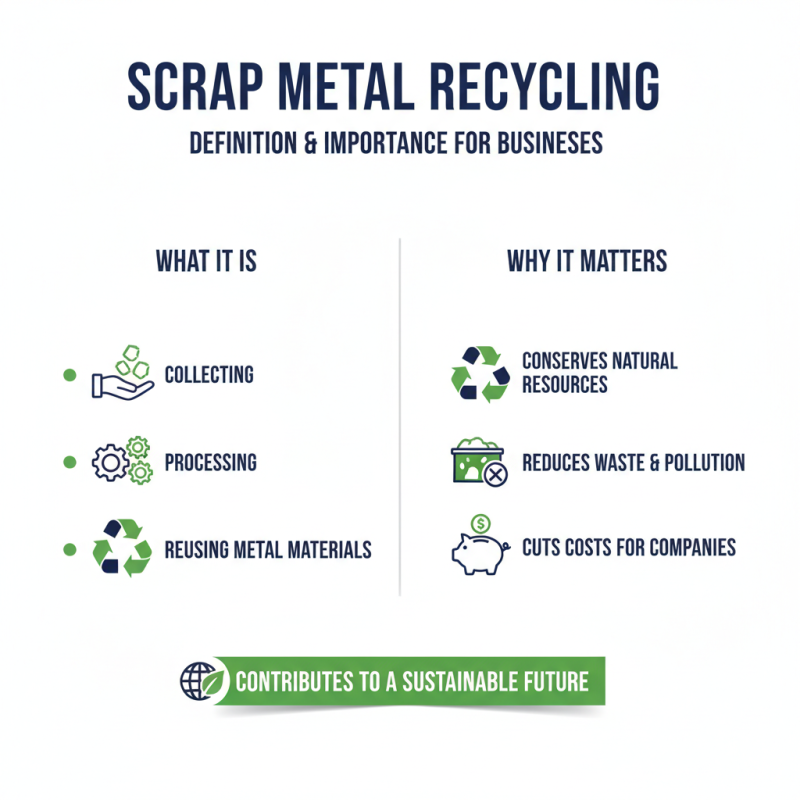
Scrap metal recycling is essential for businesses in various industries. It involves collecting, processing, and reusing metal materials. This not only reduces waste but also conserves natural resources. By recycling scrap metal, companies can contribute to a sustainable future while cutting costs.
The importance of scrap metal recycling lies in its environmental benefits. When businesses recycle metal, they decrease the need for mining and production. This process saves energy, reduces pollution, and minimizes habitat destruction. Effective recycling also creates jobs in the local economy. However, many businesses struggle with efficient recycling practices.
Not all metals can be recycled easily. Some may require additional processing, raising costs. Additionally, businesses may lack the knowledge or resources to implement a successful recycling program. This can lead to missed opportunities for both savings and environmental impact. Recognizing these challenges is vital for long-term success in metal recycling.
Types of Wear Parts Commonly Recycled in Scrap Metal
Scrap metal recycling plays a vital role in reducing waste. Many businesses rely on wear parts that frequently need replacement. These components accumulate quickly, leading to significant quantities of scrap metal. According to the Institute of Scrap Recycling Industries (ISRI), approximately 65% of the metal recycled comes from industrial sources. This high percentage underscores the importance of recycling worn-out parts.
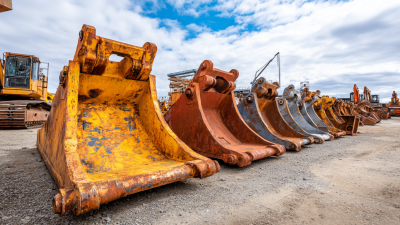
There are several types of wear parts commonly recycled in the metal industry. For instance, excavator buckets, conveyor belts, and hammer mill screens are key contributors. Excavator buckets, made primarily of steel, are subjected to extreme wear. Recycling these parts not only conserves natural resources but also reduces production costs for new parts. Hammer mill screens, often composed of tool steel, are also recycled to recover valuable metals. In the U.S. alone, about 24 million tons of scrap metal were recycled in 2020, showcasing the industry's potential.
Despite the benefits, challenges remain. Not all wear parts are suitable for recycling. The presence of contaminants or non-metal components can complicate the process. It is essential for businesses to identify which parts can be effectively recycled. Awareness and education on this process can improve recycling rates. Companies that improve these practices will contribute positively to sustainability goals while also benefiting financially in the long run.
Processes Involved in Scrap Metal Recycling for Businesses
Scrap metal recycling is crucial for businesses aiming to minimize waste. The process begins with collecting scrap metal, which can come from various sources. Old machinery, construction debris, and even discarded appliances can become valuable resources. It’s essential for businesses to sort these metals accurately. Ferrous and non-ferrous metals each require different handling methods.
Once sorted, the metals undergo shredding. This reduces their size, making them easier to process. Shredding creates uniform pieces that allow for better melting and recycling. The next stage involves smelting. In this step, metals are melted down for reuse. While this is efficient, not all operations achieve optimal recycling rates. Challenges such as contamination can lower the quality of the recycled metal.
Many businesses struggle with the proper documentation of their scrap metal. Accurate records ensure compliance with regulations and maximize value in sales. Failure to keep precise records can lead to fines. Implementing a robust tracking system can help alleviate these concerns. Engaging with experienced recycling partners is vital for improving the recycling process and maintaining reliability.
What is Scrap Metal Recycling Wear Parts for Businesses? - Processes Involved in Scrap Metal Recycling for Businesses
| Part Type |
Material |
Recycling Process |
Environmental Benefit |
Potential Applications |
| Shredder Blades |
High-Speed Steel |
Shredding and Sorting |
Reduced energy consumption |
Manufacturing new blades |
| Rollers |
Cast Iron |
Melting and Molding |
Minimizes landfill waste |
Construction equipment |
| Cutting Tools |
Tool Steel |
Regrinding and Repurposing |
Conserves natural resources |
Manufacturing processes |
| Conveyor Belts |
Rubber and Steel |
Separation and Grinding |
Decreases pollution |
Recycling facilities |
| Hoppers |
Aluminum |
Casting and Molding |
Reduces carbon footprint |
Manufacturing new hoppers |
Benefits of Recycling Wear Parts for Business Sustainability
Recycling wear parts has become crucial for business sustainability. Many industries generate significant waste from worn-out components. These parts often end up in landfills, contributing to environmental degradation. By focusing on recycling, companies can reduce this waste effectively.
One major benefit of recycling wear parts is
cost savings. Reprocessing materials can lower production costs. Businesses can turn unused parts into valuable resources. This not only minimizes expenses but also reduces the demand for raw materials. By recycling, companies can showcase their
commitment to sustainability. This boosts their reputation among customers and partners.
However, challenges remain in implementing recycling programs. Not all businesses have the knowledge or resources to recycle effectively. Some may face logistical hurdles, such as transportation and sorting. Engaging employees in these initiatives is crucial. They must understand the importance of recycling efforts. Without a collective push, these programs might
fall short. Recognizing these obstacles can help businesses improve their
recycling strategies.
Challenges and Solutions in Scrap Metal Recycling for Enterprises
Scrap metal recycling is crucial for businesses looking to minimize waste and increase sustainability. However, the industry faces considerable challenges. According to the Institute of Scrap Recycling Industries (ISRI), the recycling rate for ferrous metals is about 70%, while non-ferrous metals lag, with rates around 30%. These figures highlight a need for improvement in recycling practices.
Many enterprises struggle with inconsistent supply chains. This inconsistency can lead to fluctuating material availability and pricing. Moreover, sorting different metals accurately remains a significant hurdle. The difference in separation technology can affect the quality of recycled metals. Advanced sorting technologies, like AI and machine learning, can help improve efficiency.
Additionally, regulatory compliance poses another challenge. Businesses must stay updated on ever-changing regulations surrounding scrap metal handling and recycling. The need for training and transparency in processes is paramount. An enterprise that invests in employee education and robust practices stands to benefit from increased operational efficiency and reduced compliance risks in scrap metal recycling.
Challenges and Solutions in Scrap Metal Recycling for Enterprises