How to Choose the Best Construction Machinery Wear Parts?
Choosing the right Construction Machinery Wear Parts is crucial for optimal equipment performance. The right parts ensure efficiency, reduce downtime, and prolong the lifespan of machinery. Quality wear parts can significantly impact construction operations. However, navigating through numerous options can be daunting.
Understanding your machinery's specifications and requirements is essential. Each type of construction equipment may need different wear parts tailored to its unique challenges. Additionally, consider the working environment. Harsh conditions often demand parts designed for durability and resilience. Engaging with reputable suppliers can also enhance your choices, providing insights on the most effective options.
It's worth noting that not every part advertised as “high-quality” guarantees performance. Misleading marketing may lead to poor choices. Researching and comparing products can help mitigate risks. Relying on the experiences of other professionals can provide valuable context. Ultimately, making informed decisions about Construction Machinery Wear Parts can contribute to a more successful project outcome.
Understanding the Importance of Quality Wear Parts in Construction Machinery
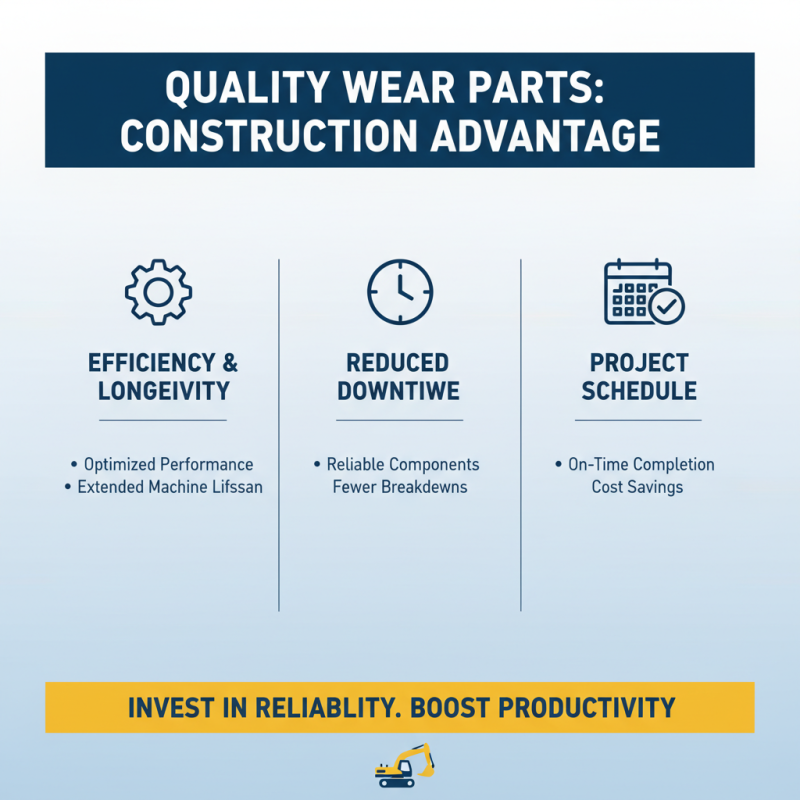
Choosing the right wear parts for construction machinery is crucial for efficiency and longevity. Quality wear parts directly influence performance and maintenance costs. When machinery operates with reliable components, it reduces downtime. This ensures projects stay on schedule, which is vital in the competitive construction industry.
Investing in quality wear parts pays off in the long run. Look for materials that withstand abrasion and heat. Steel and composite materials are popular choices due to their durability. Be cautious, however, as some cheaper options may initially seem attractive but can lead to more frequent replacements. This not only increases costs but also disrupts workflow.
Tips for selecting wear parts include consulting with machinery experts. They can provide valuable insights specific to your equipment. Always ask about warranty and return policies. A good manufacturer stands behind their products, offering support and solutions when issues arise. Check online reviews for insights into other users’ experiences. Taking these steps ensures a more informed decision.
Identifying Common Types of Wear Parts Used in Construction Equipment
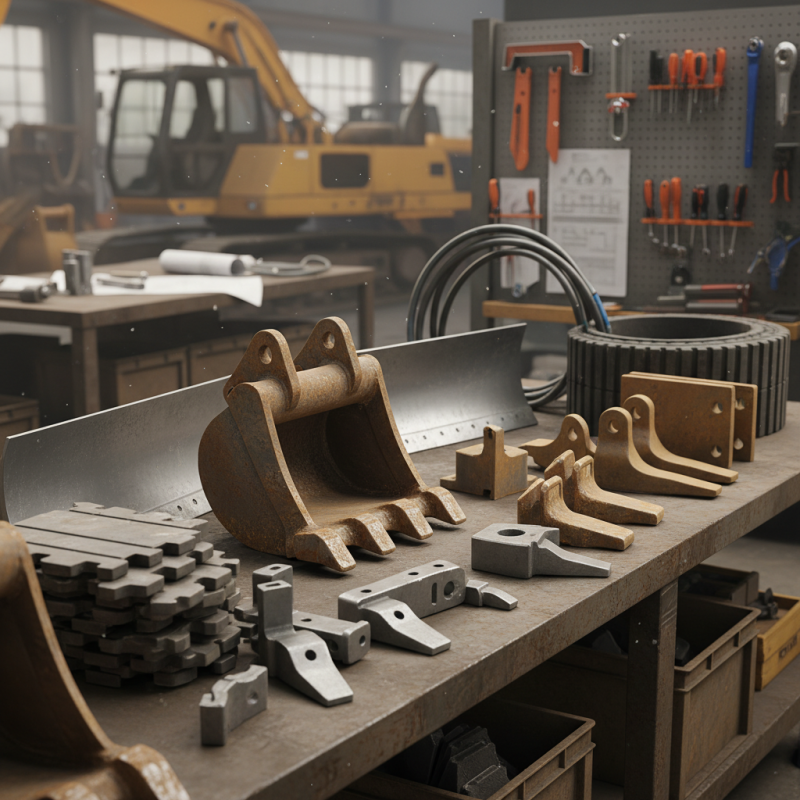
When selecting wear parts for construction machinery, it’s vital to understand the common types available. Wear parts are components designed to withstand wear and tear during operation. They include items such as buckets, blades, and tracks. These parts experience significant stress and can impact machine efficiency.
Buckets are often subjected to harsh conditions. They dig into various materials, which can lead to abrasion. Regular inspection is necessary to determine if they require replacement. Blades are another critical component. They are used in various machinery, such as graders and dozers, and need to be sharp and well-maintained for optimal performance. Worn-out blades can affect precision and result in inefficient work.
Tracks, particularly in excavators and compactors, tend to wear down due to repetitive movements. Inspecting for signs of cracks or deformation is crucial. Delaying replacement can lead to costly downtime. Understanding these common types of wear parts is essential. You can make informed decisions that enhance machinery longevity and reliability.
Evaluating Material Quality for Durability and Performance
Choosing the right wear parts for construction machinery is crucial. Evaluating material quality is key to ensuring durability and performance. According to industry reports, about 30% of machinery downtime is attributed to poor-quality replacement parts. This statistic highlights the importance of selecting parts made from premium materials that withstand harsh working conditions.
When assessing materials, look for high tensile strength and resistance to wear and tear. For instance, high-grade steel and advanced composites demonstrate superior durability. The right material can extend the lifespan of components, ultimately saving costs. However, it’s important to note that even top-quality materials can fail if they’re not correctly matched to the machinery’s specifications.
Regular testing and analysis of wear parts can lead to better maintenance practices. In fact, only 45% of companies track wear part performance over time. This lack of data can lead to unexpected breakdowns and increased expenses. By investing in quality material assessments, companies can enhance their operations. Understanding how materials behave under different conditions could reveal vulnerabilities in production and influence purchasing decisions.
Comparing Manufacturer Specifications and Certifications
Choosing the right construction machinery wear parts involves careful consideration of manufacturer specifications and certifications. Each component plays a vital role in operational efficiency. Understanding the differences in materials used is essential. Some parts may claim durability but lack proper testing standards. A reliable manufacturer will provide detailed specifications, including material composition and performance metrics.
Tips: Always verify certifications before purchasing. Look for ISO or similar standards that ensure quality. A certified part often reflects a commitment to safety and performance.
Keep an eye out for inconsistencies in claims. Not all suppliers provide transparent information. It can be challenging to distinguish between genuine quality and superficial marketing. Take the time to read independent reviews and seek recommendations from industry experts. Gathering insights from multiple sources can help paint a fuller picture of a manufacturer's reliability.
In addition, consider the manufacturer's support services. A strong warranty often indicates confidence in the product's durability. Engage with the manufacturer to understand their background and experience in the industry. Their responsiveness can also reflect their commitment to customer satisfaction. Make informed decisions based on a balance of specifications and practical insights.
How to Choose the Best Construction Machinery Wear Parts? - Comparing Manufacturer Specifications and Certifications
| Part Type |
Material |
Hardness (HRC) |
Certification |
Manufacturer Country |
| Excavator Bucket |
High Carbon Steel |
50-55 |
ISO 9001 |
USA |
| Bulldozer Blade |
Alloy Steel |
48-52 |
CE |
Germany |
| Crusher Liners |
Manganese Steel |
12-14 |
SGS |
China |
| Loader Arms |
Wear-Resistant Steel |
47-53 |
API |
Japan |
| Hammer Mill Hammers |
Chrome Molybdenum Steel |
55-60 |
ISO 14001 |
Italy |
Assessing Cost vs. Quality: Making an Informed Decision
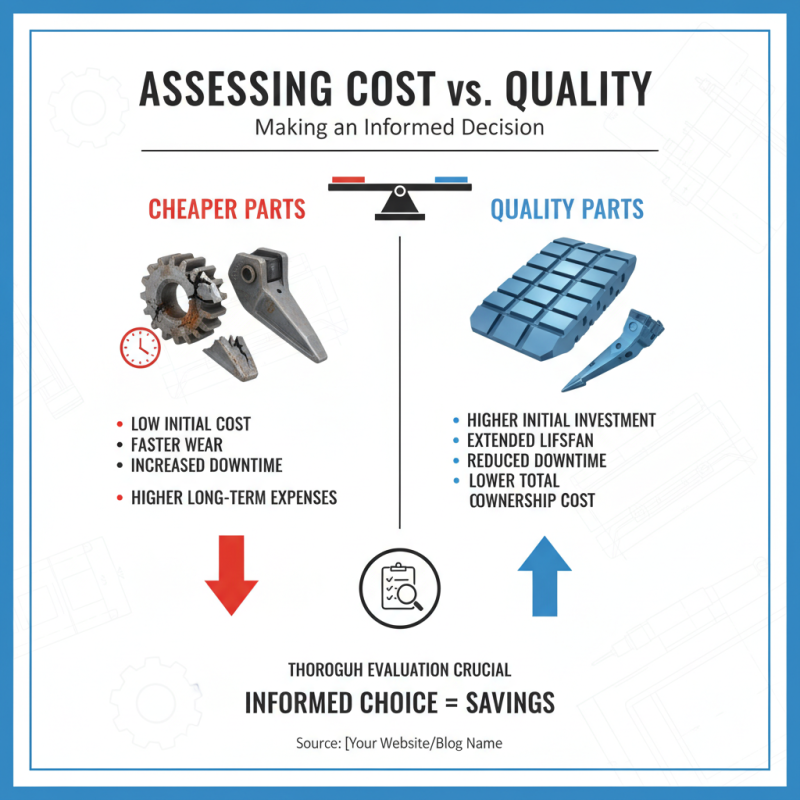
When selecting construction machinery wear parts, the balance between cost and quality is crucial. It’s tempting to choose the cheapest option, but this decision can lead to higher costs in the long run. Poor-quality parts wear out faster, resulting in increased downtime and repair expenses. A thorough evaluation of quality is vital.
Quality often indicates durability and performance. Investigating the materials and manufacturing processes used can provide insights. Consider if the components undergo rigorous testing. Reliable suppliers usually share certifications that validate their products' credibility. However, not all expensive parts guarantee excellent performance. Some may have inflated prices without added value.
It's essential to reflect on past purchases. Did lower-priced parts fail quickly? Did spending more initially save you from frequent replacements? A careful analysis of your equipment's specific needs can guide better choices. In the end, finding the right balance between cost and quality will enhance operational efficiency and profitability.