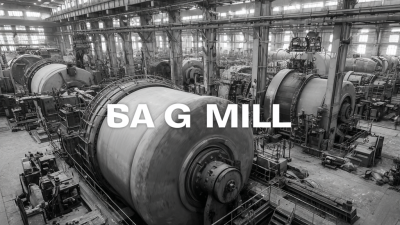
Top Ball Mill and SAG Mill Liners for 2026 Global Buyers?
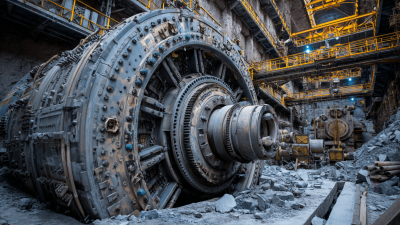
As the mining and processing industries pivot toward advancements, the demand for quality equipment has heightened. In the context of this shift, renowned expert Dr. James Hart, a leading authority in mill technology, states, “Quality Ball Mill SAG Mill Liners can significantly enhance operational efficiency.” This assertion underscores the critical role that Ball Mill SAG Mill Liners play in ensuring optimal milling performance.
The upcoming market trends paint a promising picture for Ball Mill SAG Mill Liners. These components are vital for protecting the mill itself, which can lead to increased uptime and reduced operational costs. As mill manufacturers innovate and improve their designs, buyers must prioritize quality and durability in their selections. The challenge lies in balancing cost-effectiveness with superior performance.
In 2026, global buyers will face numerous options. Many manufacturers will vie for attention with their latest offerings. However, not all liners will provide the necessary resilience and longevity. As the market evolves, it is imperative for buyers to conduct thorough research. Recognizing the importance of quality and reliability will be key for successful procurement of Ball Mill SAG Mill Liners.
Top Ball Mill Liners: Features and Benefits for 2026 Buyers
Ball mill liners play a critical role in the efficiency and longevity of milling operations. In 2026, buyers will seek liners that enhance performance and reduce costs. Understanding the materials used is essential. Typically, copper, rubber, and steel compositions are prevalent. Each material offers unique benefits, impacting wear resistance and throughput.
Various features of ball mill liners can improve operational outcomes. For instance, profiles designed for optimal flow can boost grinding efficiency. Additionally, liners with enhanced impact resistance prevent premature failure. These factors not only extend the lifespan of the liners but also minimize maintenance requirements. Buyers need to consider how liner design affects their specific milling environments.
Challenges can arise in selecting the right liner. It's vital to balance cost and performance. Some buyers might prioritize initial savings over durability, which can lead to higher costs later. Realizing that not all liners will perform the same is crucial for making informed choices. Empirical data gathered from past experiences can guide selections effectively, reinforcing the value of a tailored approach.
SAG Mill Liners: Key Specifications for Enhanced Performance
SAG mill liners are critical for optimizing milling performance. These components directly impact mineral processing efficiency. As reported by a recent industry study, nearly 30% of operational downtime can be attributed to liner wear. This highlights the need for precise specifications in material and design.
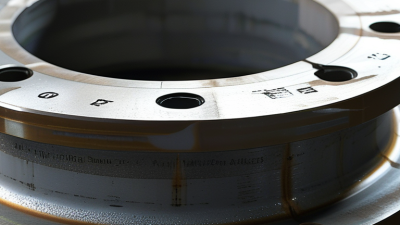
Key specifications include thickness, profile, and hardness. Research shows that a 10% increase in liner hardness can lead to a 15% reduction in wear rates. Additionally, utilizing advanced materials, such as high-chromium alloys, can enhance durability. These choices allow for longer intervals between replacements.
Buyers should also consider the geometry of the liners. Proper design can facilitate better material flow, which significantly boosts throughput. However, miscalculations in liner specifications can cause severe operational issues. It is important to continuously assess the performance of existing liners in relation to industry benchmarks.
Market Trends: Demand for High-Quality Mill Liners in 2026
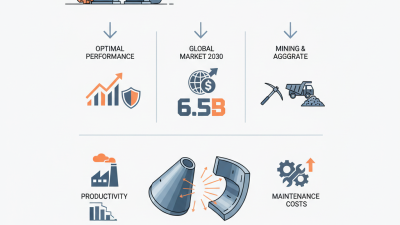
The demand for high-quality mill liners is poised for growth in 2026. Various industries increasingly recognize the importance of durable and efficient liners. These components directly impact the performance of ball mills and SAG mills. Enhanced liners improve both milling efficiency and productivity. With the rising competition, manufacturers are focusing on innovative materials and designs.
Sustainability is also becoming vital. Companies are exploring eco-friendly alternatives that do not compromise quality. This trend reflects larger industry shifts toward responsible production. Advanced technologies, such as automation and data analytics, are now being utilized to assess liner performance more effectively. The need for continuous improvements presents a challenge but also an opportunity.
Emphasis on reliability remains critical. Buyers must navigate complex choices while seeking the best performance. Worn-out liners can lead to costly downtimes and reduced throughput. It's essential to address these risks proactively. Collaborating with experts in material science can aid in making informed decisions. Balancing quality and cost is an ongoing struggle that requires careful consideration.
Top Ball Mill and SAG Mill Liners for 2026 Global Buyers
| Mill Type |
Material |
Thickness (mm) |
Expected Lifespan (months) |
Market Demand (tons) |
| Ball Mill |
High Carbon Steel |
50 |
12 |
15000 |
| SAG Mill |
Composite Material |
80 |
18 |
12000 |
| Ball Mill |
Rubber |
40 |
10 |
10000 |
| SAG Mill |
Steel Alloy |
60 |
15 |
18000 |
Comparative Analysis of Popular Materials Used in Mill Liners
The choice of materials for ball mill and SAG mill liners significantly impacts operational efficiency. Common materials include steel, rubber, and composite options. Each offers unique advantages and disadvantages based on their properties and applications.
Steel liners are known for their durability. They handle high-impact scenarios well but may experience faster wear under certain conditions. Rubber liners, on the other hand, are lighter and offer good wear resistance. They also reduce noise, creating a better working environment. However, their lifespan can be shorter in the presence of heavy grinding media.
Composite liners combine the strengths of both materials. They tend to provide an optimal balance of durability and impact resistance. Though, they can be more complex to manufacture and may not be as readily available as traditional options. Understanding these materials' properties helps operators choose the right type for their specific needs, ensuring longer-lasting performance and more efficient operations. Each choice has trade-offs, leading to ongoing discussions in the industry about best practices.
Comparative Analysis of Mill Liners Material
This chart illustrates the wear rates of various mill liner materials, which is crucial for optimizing performance and longevity in grinding operations. The data indicates that rubber liners exhibit the lowest wear rate, making them cost-effective over time, while high chrome alloys perform better in terms of wear resistance compared to other materials.
Cost-Effectiveness of Ball Mill vs. SAG Mill Liners in Mining Operations
In mining operations, the choice between ball mills and SAG mills significantly impacts productivity and cost. According to a 2023 report by the International Mining Association, SAG mills are generally more energy-efficient. They can achieve up to 25% higher throughput compared to ball mills, making them favorable for large-scale operations. However, this efficiency comes at a higher initial cost due to their complex design.
Ball mills, while less efficient, are simpler and cheaper to operate. They typically require less capital investment, making them suitable for smaller operations or projects with limited budgets. Recent data indicates that ball mill liners need to be replaced after 2,000 hours of operation, while SAG mill liners can last up to 5,000 hours under similar conditions. This difference in liner lifespan plays a critical role in overall operating costs.
Despite their advantages, SAG mills can lead to excessive wear if not properly maintained. This poses a challenge for many operators. The industry often faces dilemmas when balancing upfront costs with long-term operational efficiency. Investing in better SAG mill liners might reduce wear but requires careful cost analysis. Every operation is unique, and understanding the nuances of both mill types can lead to better decision-making in the long run.