Top Scrap Metal Recycling Wear Parts for Sustainable Manufacturing Solutions?
In an era where sustainable solutions are crucial, the focus on Scrap Metal Recycling Wear Parts has gained momentum. These components play a vital role in the manufacturing process, enhancing efficiency and reducing waste. Companies are increasingly recognizing the value of recycling scrap metal. By reusing materials, businesses not only save costs but also contribute to environmental health.
The demand for quality wear parts is rising. Many manufacturers are investing in innovative recycling methods. This shift not only helps in maintaining production quality but also embraces sustainability. However, challenges remain. Finding reliable sources for recycled wear parts can be difficult. Furthermore, not all metals are equally recyclable or durable.
Industry experts stress the importance of proper recycling practices. Developing a deeper understanding of scrap metal types and their life cycles can improve sustainability efforts. Companies must evaluate their practices to ensure efficiency. This commitment to sustainable manufacturing can lead to both economic and ecological benefits. As we navigate this complex landscape, the role of Scrap Metal Recycling Wear Parts will undoubtedly shape the future of manufacturing.
Top Scrap Metal Recycling Wear Parts: An Overview
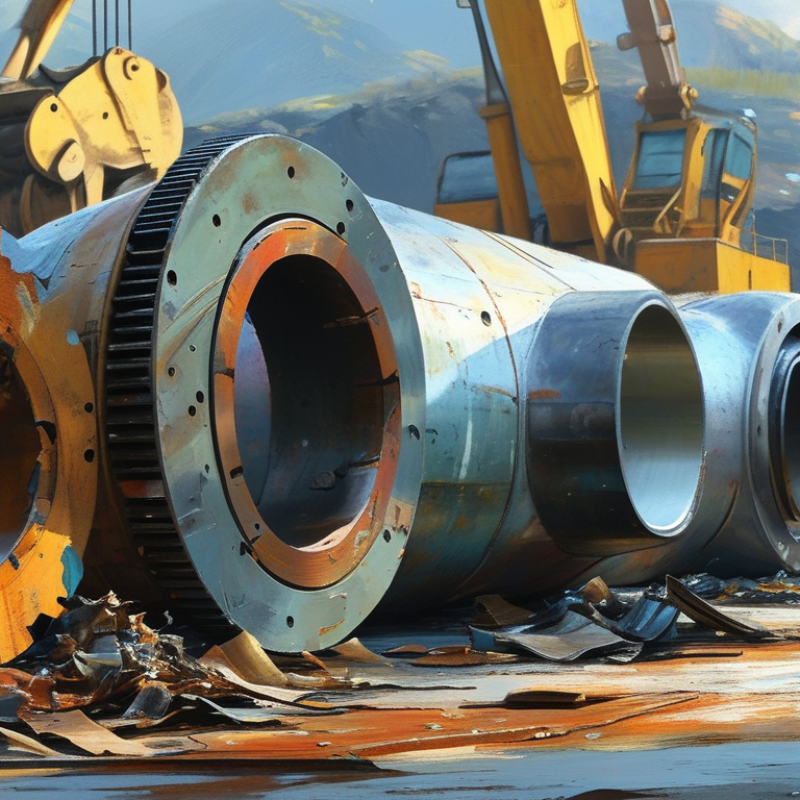
Scrap metal recycling plays a vital role in sustainable manufacturing. It reduces waste and conserves natural resources. In today's industry, wear parts are critical components that facilitate this process. They endure harsh conditions and help maintain efficient operations. However, their performance can wane over time, requiring careful monitoring.
The most important wear parts in scrap metal recycling include blades, hammers, and screens. These components face wear due to the abrasive nature of metal materials. Blades must be replaced periodically, or they risk reducing efficiency. Hammers encounter significant impact stress, rendering them susceptible to cracks and deformation. Screens, on the other hand, ensure correct material sorting but can also wear down quickly under heavy loads.
While advancements in materials and design have improved durability, challenges persist. Finding a balance between cost and quality is vital. Recycling processes often differ, leading to varied wear rates. Inconsistent material types can complicate wear patterns, making it hard to predict when to replace parts. Understanding these factors can lead to improved maintenance strategies. In conclusion, prioritizing reliable wear parts is essential for effective scrap metal recycling. This emphasis on quality directly supports sustainable manufacturing goals.
Importance of Sustainable Manufacturing in Scrap Metal Recycling
Sustainable manufacturing plays a crucial role in scrap metal recycling. It reduces waste and conserves resources. Recycling metal not only minimizes landfill waste but also lowers energy consumption. This is vital for preserving our environment.
Each piece of metal recycled reduces the need for mining virgin materials. It’s a win-win for both the economy and the Earth.
One effective tip is to invest in high-quality wear parts for recycling equipment. Durable components can significantly increase operational efficiency. They require less frequent replacement, reducing downtime.
Moreover, consider implementing a routine maintenance schedule. Regular checks can prevent minor issues from escalating. This helps in sustaining your manufacturing solutions.
Another area to reflect on is community engagement. Including stakeholders in recycling initiatives fosters a culture of sustainability. Promoting awareness can lead to increased participation in recycling programs.
However, not all communities respond the same way. Adapting to local needs might take time and effort. It’s essential to assess what works best in each context.
Key Wear Parts in Scrap Metal Processing Equipment
The wear parts in scrap metal processing equipment play a critical role in efficiency. An industry report suggests that proper maintenance of these parts can increase operational lifespan by up to 40%. Components like blades, hoppers, and screens face intense wear due to the abrasive nature of metal. These parts need regular inspection and timely replacement to ensure seamless processing.
Tips for maintaining wear parts include scheduling weekly checks to identify signs of wear early. Also, use high-quality lubricants to minimize friction between moving parts. Neglecting these practices may lead to unexpected downtimes and increased costs. The recycling sector continuously innovates, yet issues remain in aligning sustainability with part durability.
Investing in durable wear materials can reduce overall costs. However, many manufacturers overlook the balance between upfront costs and long-term savings. Research indicates that durable parts can reduce replacement frequency by over 25%. Staying informed on advancements in materials can aid decision-making.
Top Scrap Metal Recycling Wear Parts for Sustainable Manufacturing Solutions
| Wear Part |
Material |
Application |
Life Span |
Sustainability Features |
| Rotary Drum Screens |
Manganese Steel |
Separation of scrap metals |
1-2 years |
Recyclable materials |
| Crusher Liners |
High Chrome Iron |
Crushing scrap materials |
1-1.5 years |
Durable and replaceable |
| Shredder Blades |
Tungsten Carbide |
Shredding metals and plastics |
2-3 years |
Exceptional wear resistance |
| Hoppers and Chutes |
Stainless Steel |
Material handling |
3-5 years |
Corrosion-resistant |
| Belt Scrapers |
Polyurethane |
Cleaning conveyor belts |
6-12 months |
Minimizes waste |
Innovations in Wear Parts for Enhanced Recycling Efficiency
Innovations in wear parts play a crucial role in enhancing recycling efficiency. The demand for sustainable manufacturing drives the development of advanced materials. These materials are designed to withstand harsh environments. They also increase the lifespan of recycling equipment, reducing the frequency of replacements.
One noteworthy advancement is the use of composites in wear parts. Composites offer better resistance to wear and tear. However, their production processes can be complex and costly. Additionally, there is a need for research on how these materials interact with recycled metals. This knowledge gap may hinder their full potential in the industry.
Another improvement is the integration of smart technology. Sensors embedded in wear parts can provide real-time monitoring. This data helps in predicting failures before they occur. Despite this promise, manufacturers face challenges in robust data analysis. Understanding the correlation between wear patterns and performance remains an ongoing task. Each innovation presents unique obstacles that require thoughtful consideration.
Best Practices for Selecting and Maintaining Wear Parts in Recycling
Selecting the right wear parts for scrap metal recycling is crucial. The durability and efficiency of these components affect overall recycling operations. Expertise in material selection is essential. Steel and carbide materials often provide the best performance. However, it is vital to understand the specific conditions of your recycling processes. Not all wear parts work well in every setting.
Maintenance practices also play a significant role in sustainability. Regular inspections help identify wear and tear early. Schedule these checks to prevent unexpected failures. Cleaning components can also extend their lifespan. A clean part performs better. However, sometimes, it’s overlooked in busy operations.
Training staff on wear parts can foster informed decision-making. Encourage employees to share insights about the parts they use daily. Their experiences can reveal what works and what doesn’t. Reflect on past choices and adjust them if necessary. Optimal selection and maintenance of wear parts can significantly reduce waste and improve productivity.