Top Scrap Metal Recycling Wear Parts for Sustainable Engineering Solutions?
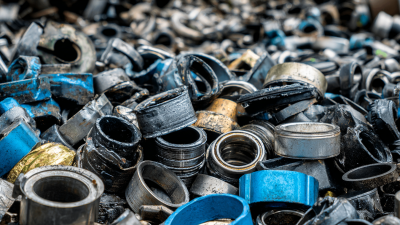
The importance of Scrap Metal Recycling Wear Parts in sustainable engineering cannot be overstated. As the global economy faces the challenge of resource depletion, the recycling of scrap metal is essential. According to the Recycling Industries Coalition, the U.S. metal recycling industry saved approximately 122 million metric tons of carbon dioxide emissions in a recent year. This statistic highlights the impact of effective recycling practices.
Dr. Emily Carter, a leading expert in materials engineering, emphasizes, “Investing in quality wear parts can significantly enhance recycling efficiency.” Wear parts are integral to machinery, affecting performance and longevity. Their durability can reduce waste and optimize resources used in production.
Yet, challenges remain. The industry must address quality control issues to ensure that recycled parts meet high standards. Continuous innovation and adherence to regulations are necessary. By focusing on these areas, the potential of Scrap Metal Recycling Wear Parts can be fully realized, contributing to both economic and environmental sustainability.
Key Benefits of Scrap Metal Recycling in Engineering Solutions
The importance of scrap metal recycling in engineering cannot be overstated. According to a 2021 report from the World Steel Association, recycling steel can save up to 74% of the energy used in producing new steel. This not only reduces carbon emissions but also conserves natural resources. Engineers are increasingly incorporating recycled materials into projects to enhance sustainability.
Beyond energy savings, there are economic benefits. The Institute of Scrap Recycling Industries (ISRI) states that the recycling industry creates over 1.1 million jobs in the U.S. This leads to increased local economic activity while reducing landfill waste. However, challenges remain; not all scrap materials are processed efficiently. In some regions, only 30% of scrap metal is recycled. This highlights a significant area for improvement.
The adherence to environmental regulations can be problematic for some recycling facilities. They must ensure proper equipment for safe operations. Many facilities lack the necessary technology to recycle specialized metals. This limitation hinders their ability to participate fully in sustainable engineering practices. Continued investment and innovation are required to address these issues in the recycling sector.
Types of Wear Parts Commonly Recycled from Scrap Metal
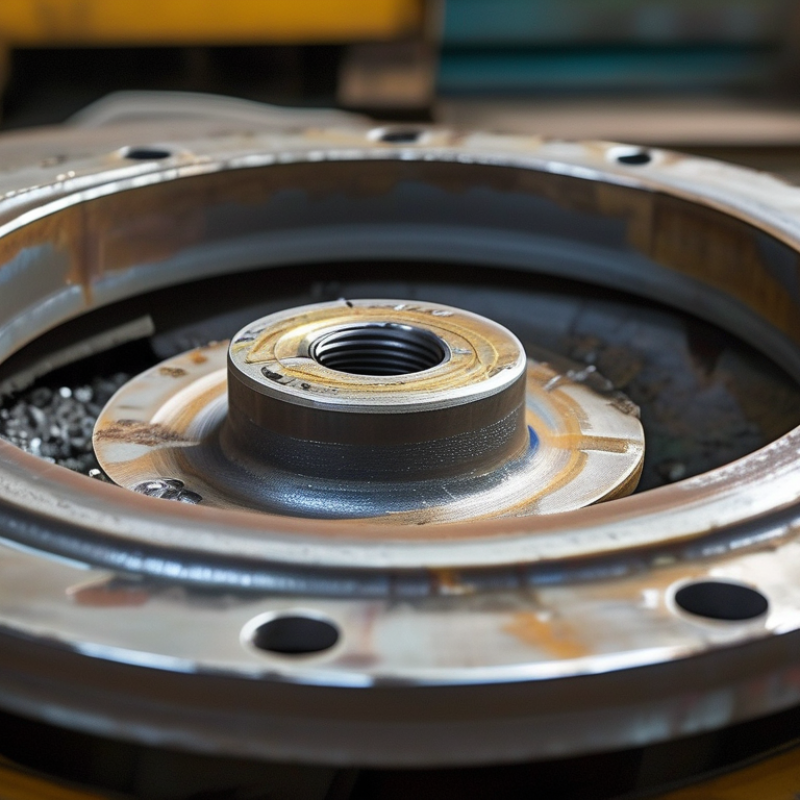
Wear parts are critical components in various engineering applications. Their regular wear and tear make them candidates for recycling. Commonly recycled wear parts include cutting edges, blades, and liners. These components are often made from high-strength steel and other valuable alloys. Recycling these materials can significantly reduce resource consumption.
The recycling of scrap metal from wear parts can conserve up to 90% of the energy required to produce new metal. According to the Institute of Scrap Recycling Industries (ISRI), around 68 million tons of scrap metal are recycled annually in the United States. This process not only reduces environmental impact but also helps to lower production costs for manufacturers.
However, the recycling process faces challenges. Not all wear parts are suitable for recycling, particularly those contaminated with non-metal materials. Additionally, the quality of recycled metal can vary, impacting its usability in new applications. Ensuring the quality of end products requires stringent recycling standards, which can sometimes be overlooked. Stakeholders must reflect on these issues to improve recycling efforts in the industry.
Innovative Technologies in Scrap Metal Recycling for Sustainability
The world of scrap metal recycling is evolving with innovative technologies.
Advanced methods in sorting and processing are crucial for sustainability.
The global recycling market is projected to reach $500 billion by 2028, highlighting the sector's importance.
Automation in recycling facilities improves efficiency. Robotic systems are used to separate metals quickly and accurately.
These advancements reduce waste and streamline operations. However, challenges remain in the implementation of these technologies.
Not all facilities can afford the latest equipment.
Data from the International Aluminium Institute states that recycling aluminum can save up to
95% of energy compared to primary production.
This statistic underscores the environmental benefits.
Still, many facilities struggle with outdated practices. Continuous investment in research and development is essential.
Promoting training programs for workers can ensure these technologies are utilized effectively.
Challenges in the Scrap Metal Recycling Process and Solutions
Scrap metal recycling is vital for sustainability but comes with challenges. The efficiency of the recycling process often depends on the quality of the scrap metal collected. Contamination, such as plastic or non-metal materials, can hinder the recycling process. It affects the overall quality of the recycled metal and can lead to safety issues in production. Industry experts emphasize the need for better sorting techniques to improve efficiency.
Another challenge is the wear and tear of equipment used for recycling. Heavy-duty machinery often faces corrosion and damage from abrasive materials. This leads to costly downtime and maintenance. Regular inspections and the use of high-quality wear parts can help minimize these issues. However, many facilities still struggle with outdated equipment. Upgrading wear parts or machinery can be a daunting investment, yet essential for long-term productivity.
Additionally, fluctuating metal prices create uncertainty for recyclers. Economic factors can impact the demand for recycled metals, making it challenging for businesses to maintain stable operations. Many recyclers express the need for consistent support and policies promoting recycling. The industry must find innovative solutions to stay resilient against these challenges. Collaboration between businesses, policymakers, and experts can lead to a more sustainable future in scrap metal recycling.
Top Scrap Metal Recycling Wear Parts for Sustainable Engineering Solutions
| Part Name |
Material Type |
Application |
Common Challenges |
Potential Solutions |
| Shredder Blades |
High Alloy Steel |
Metal Shredding |
Wear and Tear |
Regular Maintenance and Coatings |
| Crusher Hammers |
Manganese Steel |
Metal Crushing |
Impact Loading |
Material Selection and Heat Treatment |
| Conveyor Belts |
Rubber Composites |
Material Transportation |
Slippage and Sticking |
Surface Treatments and Proper Tensioning |
| Magnetic Separators |
Neodymium |
Metal Sorting |
Magnet Fatigue |
Regular Testing and Replacement |
| Screens |
Wire Mesh |
Material Screening |
Clogging |
Regular Cleaning and Maintenance |
Future Trends in Wear Parts Development for Sustainable Engineering
The future of wear parts development is leaning towards sustainability. As industries push for greener solutions, designing wear parts that minimize environmental impact is crucial. Recyclable materials are at the forefront. They provide a way to reduce waste and conserve resources. Lightweight design also contributes to energy efficiency.
Tips: Consider materials like high-strength alloys. They may reduce wear and extend product lifespan. Moreover, integrating digital technology can enhance monitoring. Predictive maintenance reduces unnecessary replacements, promoting sustainability.
Innovation in manufacturing processes is essential. Techniques such as 3D printing allow for more efficient use of materials. However, the learning curve can be steep. We must analyze the trade-offs between new technologies and traditional methods. Flaws in the design can lead to increased costs and waste. Continuous feedback loops are necessary for improvement.
Top Scrap Metal Recycling Wear Parts for Sustainable Engineering Solutions