What Is Jaw Crusher Working Principle?
Jaw Crusher Working begins with a simple mechanical idea: compress rock until it fractures. A fixed jaw holds the feed, while an eccentric shaft drives the movable jaw toward it. This repeated closing action creates pressure, breaks the material, and opens a path for discharge. That motion matters.
Dr. Barry A. Wills, a respected mineral-processing authority, describes comminution as “the operation of reducing the size of particles by crushing and grinding.” His observation places jaw crushers within the wider mineral-processing chain. They do not merely make rocks smaller. They prepare a controlled feed for secondary crushers, screens, conveyors, or grinding equipment.
The working cycle contains several practical details. During the closing stroke, rock is compressed between the jaw plates. During the opening stroke, crushed particles move downward by gravity. The discharge opening, often called the closed-side setting, influences the product size. Hard, abrasive stone also affects plate wear and operating cost. The feed changes. Moisture can cause packing, while oversized fragments may increase stress on the machine.
A simplified diagram can mislead. Real crushing involves uneven feed shapes, variable hardness, vibration, and gradual component wear. Operators must inspect jaw plates, bearings, belts, and guards before production. Correct setting alone cannot guarantee stable output. Feed distribution and maintenance matter equally.
This guide explains Jaw Crusher Working from the movement of the eccentric shaft to the final discharge. It also examines performance limits, common mistakes, and practical maintenance concerns. Some explanations may appear straightforward, yet field conditions remain imperfect. That is precisely why the machine deserves careful study.
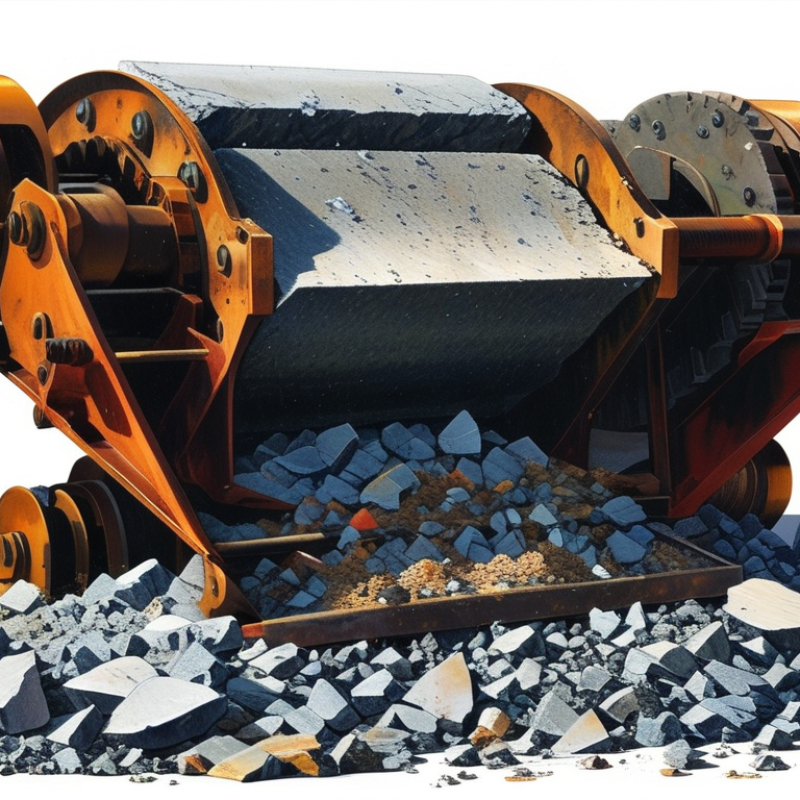
Jaw Crusher Structure and Main Components
What Is Jaw Crusher Working Principle?
Jaw Crusher Structure and Main Components
A jaw crusher reduces rock through compression between two jaw plates. One plate stays fixed. The other moves toward it and then retreats. This repeated motion creates a crushing chamber with a changing gap. Feed enters at the top, while smaller material leaves through the discharge opening.
The main frame carries the crushing load. It must resist vibration and repeated stress. The fixed jaw plate forms one wall of the chamber. The movable jaw plate is mounted on a jaw stock and follows an elliptical path. An eccentric shaft drives this movement through the pitman and toggle plate. The flywheel stores rotational energy and helps maintain smoother operation. Bearings support the shaft, while a tension rod keeps the toggle assembly aligned. The discharge setting controls final size.
Small details matter. A worn jaw plate can increase power demand and reduce capacity. The U.S. Geological Survey’s Mineral Commodity Summaries 2024 estimated U.S. crushed stone production at about 1.9 billion metric tons in 2023. That scale shows why durable components and reliable maintenance matter. Yet laboratory figures can mislead. Moisture, abrasive minerals, and uneven feeding change real performance. A loose toggle seat may also create sharp impact sounds. Operators should inspect plate profiles, bearing temperature, and product size regularly. Safety guards and lockout procedures remain essential around moving parts.
How Material Enters and Moves Through the Crushing Chamber
What Is Jaw Crusher Working Principle?
How Material Enters and Moves Through the Crushing Chamber
Material enters through the feed opening and drops into the crushing chamber. The fixed jaw stays still, while the swing jaw moves toward it. An eccentric shaft drives this repeated motion. Each closing stroke compresses the rock against the fixed jaw. The fracture begins at weak points inside the particles.
The crushed material moves downward as the jaw opens. Gravity helps it pass through the chamber. When the particle size becomes smaller than the closed-side setting, it leaves through the discharge gap. Hard stone may need several compression cycles. Real feed is less obedient. Moist clay can cling to jaw surfaces and slow discharge.
A practical feed size often remains below 80% of the opening width. This leaves space for movement and reduces bridging risk.
Typical jaw crushers achieve reduction ratios near 3:1 to 6:1, depending on rock strength and settings.
The U.S. Geological Survey reported about 1.5 billion metric tons of crushed stone production in the United States in 2023. That scale shows why stable chamber flow matters.
Tips: Watch the feed pattern, not only the motor load. A centered, continuous feed usually improves chamber utilization. Check the closed-side setting after wear appears. Small changes can alter product size noticeably. Operators should also inspect the discharge area for blockages. Simple checks prevent expensive surprises.
The Step-by-Step Crushing Process
What Is Jaw Crusher Working Principle?
The Step-by-Step Crushing Process
A jaw crusher reduces rock through controlled compression. Its steel jaw plates form a V-shaped chamber. One plate stays fixed, while the other moves through an eccentric shaft and toggle mechanism. The process starts when an excavator or feeder delivers rock into the top opening. Oversized pieces must be controlled. Otherwise, bridging can interrupt production.
As the moving jaw advances, it presses the feed against the fixed jaw. Cracks develop along natural weaknesses in the stone. When the jaw withdraws, gravity pulls the fractured material downward. Repeated compression continues through several crushing cycles. The discharge opening, called the closed-side setting, controls the final size. A smaller setting usually produces finer material, but it can reduce throughput and increase wear.
The bottom opening releases the crushed rock onto a conveyor. Operators often check product size with screening tests, not visual judgment. The U.S. Geological Survey reported about 1.9 billion metric tons of crushed stone production in the United States in 2023. It also reported roughly 960 million metric tons of construction sand and gravel. These figures show why stable primary crushing matters. In practice, moisture, uneven feeding, and plate wear can change results. The ideal setting on paper may need adjustment in the pit. That part is easy to underestimate. (Source: U.S. Geological Survey, Mineral Commodity Summaries 2024.)
How Discharge Size Is Controlled
What Is Jaw Crusher Working Principle?
A jaw crusher breaks rock between a fixed jaw and a moving jaw. The moving jaw compresses material against the fixed surface, creating smaller fragments. This action repeats as the jaw opens and closes.
Discharge size is mainly controlled by the gap at the bottom of the crushing chamber. This gap is called the closed-side setting. A smaller setting usually produces finer material, while a wider setting allows larger pieces to pass.
Adjustment systems may use wedges, shims, or hydraulic controls. Always follow the equipment procedure and isolate power before changing the setting.
The discharge size is not perfectly uniform. Rock hardness, feed size, moisture, jaw plate wear, and operating speed can change the final gradation. Worn plates may increase the product size, even when the setting remains unchanged. Field checks often reveal this difference. The machine may be “correct,” but the output may still drift. Measure the actual product with a screen or caliper instead of trusting the dial alone.
Tips:
Check the setting after plate replacement and during long production runs. Keep the feed centered and reasonably consistent. Avoid feeding wet, sticky material without proper handling, because it can bridge near the discharge opening. Small changes matter. Record settings beside test results, then adjust gradually rather than making a large correction.
Factors Affecting Jaw Crusher Working Efficiency
What Is Jaw Crusher Working Principle?
A jaw crusher reduces rock between a fixed jaw and a moving jaw. The moving jaw compresses material during each forward stroke. When it moves back, crushed particles fall through the discharge opening. This cycle depends on steady force, correct feeding, and enough space for the material to move.
Factors Affecting Jaw Crusher Working Efficiency
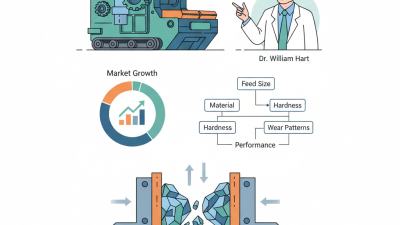
The closed-side setting strongly affects product size and capacity. A smaller setting creates finer output, but it can increase power demand and wear. Feed size also matters. Oversized rocks may block the chamber or create uneven pressure. A well-graded feed keeps the crushing zone active without overloading one area.
Moisture and clay can reduce efficiency. Wet fines may stick between the jaw plates and restrict discharge. The feed should enter near the chamber center, not against one side. This simple detail often gets overlooked. Operating speed must match the machine design and material hardness. Faster is not always better. Excessive speed can increase vibration, heat, and liner wear.
Jaw plate condition directly affects crushing performance. Rounded or heavily worn surfaces may produce uneven particles and higher energy use. Operators should inspect plate profiles, bearing temperature, belt tension, and motor load during each shift. In real sites, ideal settings rarely remain ideal. Rock hardness changes, and damp weather complicates predictions. A short test adjustment, followed by measured output checks, is safer than relying on assumptions.
Jaw Crusher Working Principle: Reduction Ratio and Efficiency Factors
A jaw crusher reduces material between a fixed jaw and a moving jaw. The chart shows representative reduction-ratio calculations based on a constant 100 mm product size. A higher reduction ratio generally requires more crushing energy and may reduce throughput if the feed is hard, wet, or poorly graded. Crusher efficiency is also affected by the closed-side setting, feed size, nip angle, stroke, operating speed, and material moisture.