How to Choose the Right Mining Jaw Crusher for Your Needs?
Choosing the right Mining Jaw Crusher can be a daunting task. With numerous options available, it's crucial to understand your specific needs. As industry expert John Smith states, "Selecting the correct Mining Jaw Crusher can significantly enhance efficiency and productivity."
Mining Jaw Crushers are vital for breaking down large rocks. They process materials that impact overall operational success. High-quality equipment can lead to increased profits, while the wrong choice may cause setbacks. You must consider factors such as material type, size, and desired output.
Many buyers overlook their site’s unique conditions. Ignoring these details can result in poor equipment performance. Selecting the right Mining Jaw Crusher requires analysis and research. Understand your material and its properties. Consulting with professionals is advisable. It will save you time and reduce costs in the long run.
Understanding the Different Types of Mining Jaw Crushers Available
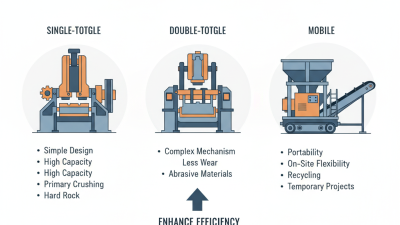
When choosing a mining jaw crusher, understanding the types available is crucial. Mining jaw crushers come in various configurations to meet specific needs. The primary types include single toggle and double toggle crushers, each with distinct advantages. Single toggle crushers are more compact and often favored for smaller operations. They tend to be more efficient and require less maintenance. In contrast, double toggle crushers are designed for larger applications, providing higher crushing ratios and robust durability.
According to industry reports, the global mining equipment market is expected to reach $189 billion by 2025, driven by demand for efficient crushing solutions. The right choice depends on material characteristics, desired outputs, and operational requirements. For instance, hard rock mining may require a different type of jaw crusher compared to softer materials. Additionally, factors like feed size, discharge setting, and energy consumption play a significant role in decision-making.
Many operations struggle to optimize their processes. They may choose a crusher based solely on price, overlooking critical factors. This can lead to inefficiencies and increased costs over time. A misstep in selecting the appropriate crusher can result in costly downtime and unsatisfactory performance. Understanding the types available and their applications is essential for making informed choices that enhance productivity and reliability.
Comparison of Different Types of Mining Jaw Crushers
Evaluating Crusher Capacity: Ton Per Hour and Reduction Ratios
When choosing a mining jaw crusher, evaluating its capacity is crucial. One important factor is the ton per hour (TPH) performance. A higher TPH indicates more material processed, which can be beneficial for large-scale operations. However, knowing your average material size is essential. If you have larger rocks, the TPH may drop due to the increased energy required for crushing.
Next, consider the reduction ratios. This ratio shows how much the crusher can reduce the size of material in one pass. A higher reduction ratio means smaller output size, which can be advantageous depending on project needs. Still, be cautious; not all materials crush evenly. Some may cause the crusher to work harder, leading to wear and maintenance issues.
Be mindful of your specific requirements. If you often deal with varying material types, it might complicate your choice. Regular monitoring of performance metrics can help adjust operations for better efficiency. Ultimately, the right balance of TPH and reduction ratios depends on your unique situation and goals in the mining process.
Assessing Material Hardness and Its Impact on Crusher Selection
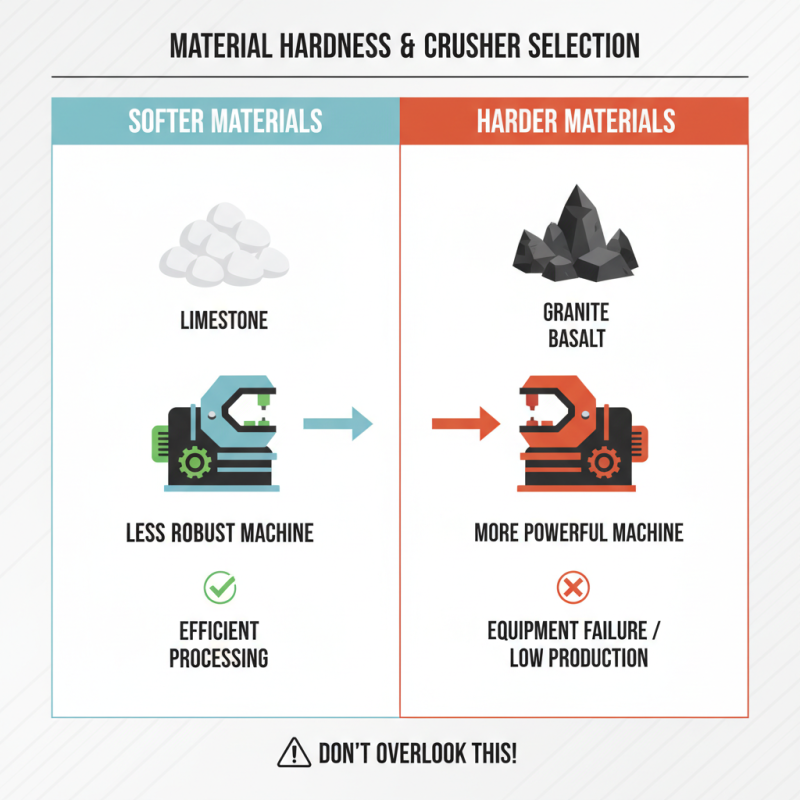
When selecting a mining jaw crusher, material hardness plays a pivotal role. Hardness affects how well the crusher will perform. For instance, softer materials, like limestone, can be processed efficiently with a less robust machine. However, harder materials, such as granite or basalt, require a more powerful jaw crusher. Overlooking this can lead to equipment failure or unsatisfactory production rates.
Understanding the Mohs hardness scale is beneficial. Materials rated 1-3 on the scale can be crushed easily. Those rated above 5 demand heavy-duty crushers. These crushers must have stronger jaws and increased energy to handle tougher rocks. It’s essential to assess the mineral composition as well. Sometimes, the same material can vary in hardness due to impurities. Neglecting this nuance could result in choosing an inappropriate machine.
Good operators often rely on experience to gauge specific needs. They consider the mining environment, budget, and desired output quality. When faced with uncertainties, consulting with experts can provide clarity about performance expectations. This practice can prevent poor decisions that lead to costly downtimes. The right choices typically stem from thorough assessments and informed discussions.
Importance of Maintenance Requirements in Mining Jaw Crushers
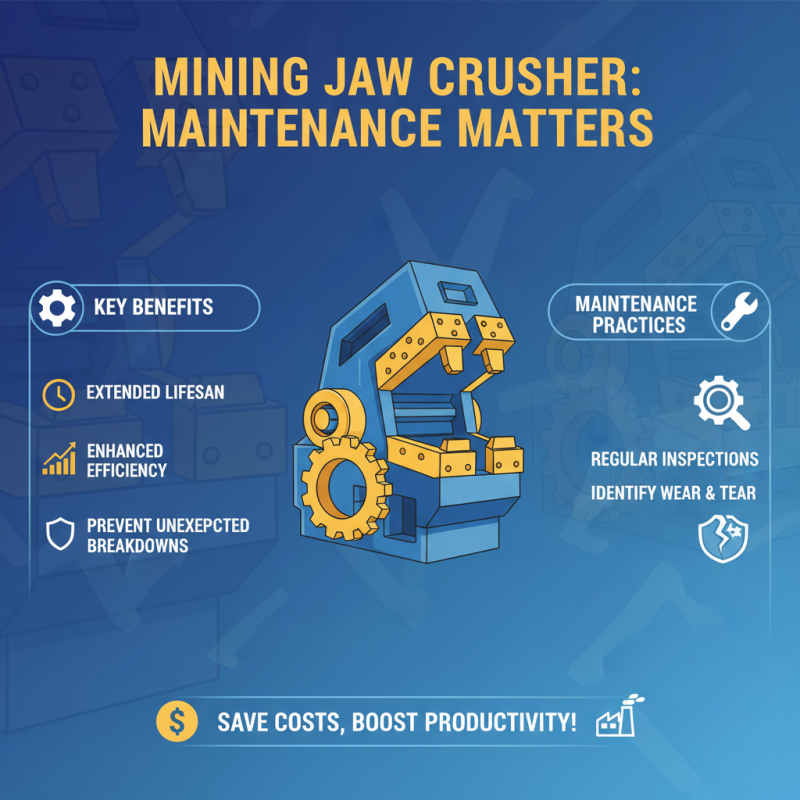
When selecting a mining jaw crusher, maintenance requirements play a crucial role. A well-maintained crusher can significantly extend its lifespan and enhance efficiency. Regular inspections are essential to identify wear and tear. These inspections help prevent unexpected breakdowns, which can lead to costly downtimes.
Maintenance impacts operational costs. Replacing worn-out parts early can save money in the long run. Simple tasks, like lubricating components and checking for misalignments, are vital. They ensure smooth operations and prevent larger issues from developing. Neglecting these tasks can lead to catastrophic failures. Operators should always have a maintenance schedule in place.
Training staff on maintenance protocols is another important aspect. A knowledgeable team can better identify potential issues. They can react swiftly, minimizing disruptions. Even minor maintenance oversight can cause problems. Awareness of these factors is crucial for effective operation in demanding environments.
Cost-Benefit Analysis: Initial Investment vs. Long-Term Operation Costs
When selecting a mining jaw crusher, a cost-benefit analysis is vital. The initial investment can be high. These machines require significant capital upfront. However, it’s crucial to consider long-term operational costs. Regular maintenance and energy consumption can add up over time. This makes choosing the right model essential for sustainability.
Lower-cost models might seem appealing. Yet, they could lead to higher operating expenses. Less efficient crushers may consume more power. Additionally, they may require frequent repairs. This can increase costs unexpectedly. The right balance between upfront costs and ongoing expenses is key to maximizing efficiency.
Evaluate your needs carefully. Assess the material type and volume you will process. This will inform the size and specifications of the machine. Seeking expert insights can help guide your decision. Remember, investing in a reliable crusher can save money in the long run. Avoid making a hasty choice based solely on price. Prioritize quality and efficiency for better overall performance.
How to Choose the Right Mining Jaw Crusher for Your Needs? - Cost-Benefit Analysis: Initial Investment vs. Long-Term Operation Costs
| Crusher Model |
Initial Investment ($) |
Monthly Operating Costs ($) |
Expected Lifespan (Years) |
Total Cost Over Lifespan ($) |
Cost per Ton ($) |
| Model A |
50,000 |
3,000 |
10 |
350,000 |
7.00 |
| Model B |
70,000 |
2,500 |
12 |
360,000 |
6.00 |
| Model C |
60,000 |
3,500 |
8 |
292,000 |
8.67 |
| Model D |
80,000 |
4,000 |
15 |
520,000 |
9.33 |