Choosing Cone Crusher Wear Parts in 2026 requires more than comparing alloy names or purchase prices. Quarry operators face harder feeds, tighter production schedules, and stronger pressure to reduce unplanned downtime. The U.S. Geological Survey’s Mineral Commodity Summaries 2025 estimates U.S. crushed stone production at approximately 1.5 billion metric tons in 2024. That volume highlights the importance of reliable wear management. Every lost hour can affect loaders, screens, truck cycles, and customer deliveries.
This guide examines how to match Cone Crusher Wear Parts with feed size, rock abrasiveness, crusher settings, and operating conditions. Manganese steel may suit frequent impact and chamber changes, while higher-alloy options can perform better in highly abrasive applications. The correct choice depends on evidence, not habit. Start with the material’s silica content, moisture, bulk density, and laboratory abrasion results. Then review the closed-side setting, liner profile, throughput, and actual wear pattern. Metso’s annual reporting consistently emphasizes lifecycle performance, availability, and maintenance efficiency across aggregates operations. Those principles matter at the crusher face, where a thin mantle, uneven concave wear, or a blocked feed opening creates visible losses.
Small details matter.
A replacement set may fit perfectly yet deliver poor results if the profile is wrong. Field experience also shows that operator practices can distort comparisons between alloys. One site’s best liner may fail at another site within weeks. Therefore, this 2026 selection process combines manufacturer specifications, maintenance records, inspection photographs, and measured cost per ton. It also admits uncertainty. Wear forecasts are useful, but they are never perfect. Reliable decisions come from testing, documenting, and reviewing results after installation.
How to Choose Cone Crusher Wear Parts in 2026?
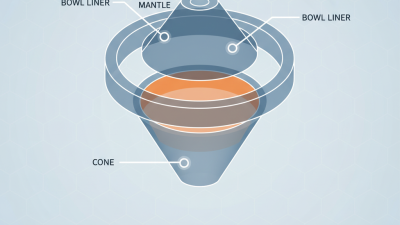
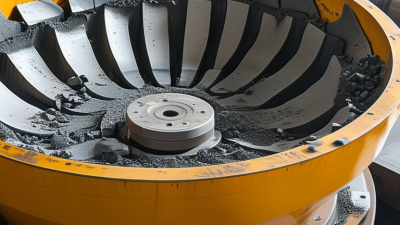
Cone crusher wear parts protect the crushing chamber while shaping the final product. The mantle rotates inside the concave, creating repeated compression against incoming rock. This action gradually reduces stone size. The mantle handles moving contact, while the concave absorbs stationary impact. Their profiles also control the crushing chamber’s geometry and product grading.
Material choice matters. Manganese steel remains widely used because it hardens under repeated impact. For abrasive stone, a harder alloy may improve service life, but it can react poorly to heavy shock. Check the feed size, rock hardness, moisture, and expected throughput before choosing. A part that lasts longer in granite may perform badly in recycled concrete. That difference is easy to miss.
Wear plates, feed cones, and arm guards protect areas exposed to direct material flow. A worn feed plate can disturb distribution and increase uneven loading. Operators should measure liner thickness regularly, inspect cracks, and compare wear patterns across the chamber. Keep records. Small changes often reveal incorrect settings or poor feeding. In field work, visual inspection is useful, but it is not enough. Some damage develops beneath the surface. I have seen replacement decisions based only on calendar hours, and that approach can waste usable steel or invite failure. Check the manufacturer’s technical data, machine specifications, and actual operating conditions together.
Understanding cone crusher wear parts and their functions starts with matching the liner material to the crushing duty. The chart shows nominal manganese levels commonly associated with generic austenitic manganese-steel wear grades.
Higher-manganese austenitic steel can work-harden under impact, but the highest nominal manganese level is not automatically the best choice. Consider feed size, material abrasiveness, impact intensity, closed-side setting, chamber profile, and operating capacity before selecting wear parts. Exact chemical ranges vary by applicable material specification and foundry practice.
How to Choose Cone Crusher Wear Parts in 2026?
Crusher conditions should guide every wear-part decision. Start with feed size, feed gradation, moisture, abrasiveness, and the closed-side setting. Measure the feed. Do not guess. A hard, silica-rich rock can remove metal quickly, while sticky material may cause packing and uneven wear. The U.S. Geological Survey estimated U.S. crushed-stone production at about 1.5 billion metric tons in 2024, showing how small efficiency losses can affect large production systems (USGS, Mineral Commodity Summaries 2025).
Material selection must match the operating requirement. Austenitic manganese steel suits impact-heavy crushing and can harden under pressure. Martensitic steel may offer better resistance where impact is moderate and abrasion is severe. Composite or high-chrome options can work in specific, low-impact applications, but they are not automatic upgrades. Review hardness, toughness, chemistry, and expected feed conditions together. A harder part can fail sooner when the chamber experiences shock loading.
Track liner thickness, power draw, product shape, and operating hours. Compare measurements from the same positions each inspection. The U.S. Geological Survey also identifies construction aggregates as a major domestic material stream, reinforcing the value of disciplined maintenance records (USGS, Mineral Commodity Summaries 2025). A perfect replacement schedule is a myth. Real sites change. Rain, quarry benches, and operator adjustments can quietly alter wear rates, so reassess the choice when performance starts drifting.
Choosing cone crusher wear parts in 2026 means comparing profiles, alloys, and service life together. The USGS Mineral Commodity Summaries 2025 estimated U.S. crushed stone production at about 1.5 billion metric tons in 2024. That volume makes small wear improvements commercially significant.
A coarse profile usually suits larger feed and reduces packing risk. Fine profiles can improve shape, but they may increase pressure and accelerate wear. Standard profiles offer a safer compromise for variable feed. Manganese steel remains practical for impact-heavy crushing because it hardens under load. Martensitic or chromium-alloy options can perform better in highly abrasive, lower-impact conditions. However, alloy choice alone does not predict service life. Feed silica, moisture, closed-side setting, liner seating, and chamber loading matter more than many buyers expect. ASTM G65 abrasion testing helps compare materials, but field conditions are different. A clean laboratory result can still mislead.
Tips: Record tonnes processed, not only operating hours. Inspect the mantle and concave at fixed intervals. Check feed distribution with photographs. Keep the CSS stable during comparisons. I would not trust a catalog life promise without site data. A liner lasting 600 hours may be poor value if it produces less usable tonnage. Conversely, a cheaper profile may win when installation is faster and utilization improves. The best decision uses three records: alloy test results, actual tonnes per set, and the last six months of operating conditions (USGS, Mineral Commodity Summaries 2025; ASTM G65).
Selecting the right wear parts starts with the feed, not the catalog. Measure rock hardness, abrasiveness, moisture, and feed size at the plant. The U.S. Geological Survey reported about 1.5 billion metric tons of crushed stone production in the United States during 2024. At this scale, small efficiency losses become expensive quickly. A liner that lasts longer may still perform poorly if it reduces throughput or increases recirculation.
Match the liner profile to the closed-side setting, chamber design, and operating load. Select the alloy for the actual rock conditions, not simply the highest hardness rating. Track tonnes per hour, power draw, liner weight loss, and changeout time. A practical cost calculation is cost per processed tonne, including labor, downtime, energy, and rejected material. The initial price is only one part.
Field maintenance teams often discover uneven wear after several shifts. That detail matters. It can indicate poor feed distribution, an incorrect setting, or unsuitable liner geometry.
The International Energy Agency’s Global Critical Minerals Outlook 2024 highlights rising pressure on mineral supply chains, making reliable processing increasingly valuable. Yet longer life is not guaranteed. In some applications, a slightly softer liner may deliver better crushing action and lower total cost. Test one controlled change, record the result, and question assumptions.
How to Choose Cone Crusher Wear Parts in 2026?
Fit comes before hardness. Measure the mantle, bowl liner, seating surfaces, and retaining hardware before ordering. A small mismatch can create uneven crushing, vibration, and premature cracking. Check the crusher model, cavity profile, feed opening, and closed-side setting. “Nearly compatible” is not compatible.
Material quality also matters. Choose wear parts with documented alloy chemistry, heat-treatment records, and impact-test results. Hardness alone can mislead. A very hard liner may resist abrasion but fracture under tramp impact. The U.S. Geological Survey reported approximately 1.5 billion metric tons of crushed stone production in 2023, showing how much daily pressure these components face (USGS, Mineral Commodity Summaries 2024). Samples, certificates, and traceability deserve attention.
Maintenance records should guide replacement timing. Inspect liner thickness, product shape, power draw, vibration, and discharge size during scheduled checks. ISO 17359 recommends condition-based monitoring for machinery. The U.S. Department of Energy reports that preventive maintenance can reduce costs by roughly 12–18% compared with reactive maintenance (O&M Best Practices Guide). Replace parts before they lose their seating support, not only when metal disappears. That timing is easy to misjudge. A liner can look usable while performance has already declined. Review the data, question sudden wear patterns, and admit when the original interval was wrong.
| Check Area | What to Verify | Practical Guideline | Warning Signs | Recommended Action |
|---|---|---|---|---|
| Crusher compatibility | Confirm the exact crusher model, revision, chamber type, feed opening, and liner configuration. | The mantle, bowl liner, locking components, and backing arrangement must match the equipment drawings and operating chamber. | Incorrect seating, uneven gaps, abnormal vibration, poor product shape, or a liner that cannot be securely locked. | Check the equipment manual and measured dimensions before ordering. Never rely only on appearance or a generic part description. |
| Material selection | Match the liner alloy to the feed material, abrasiveness, moisture level, reduction ratio, and crushing chamber. | Manganese steel is widely used for general hard-rock applications. Alloyed options may be appropriate for highly abrasive or specific operating conditions. | Rapid thickness loss, localized grooves, cracking, or an operating life substantially below the historical site average. | Compare wear rate by tonnes processed, not by calendar days alone. Review feed changes before changing alloy. |
| Dimensional accuracy | Inspect mounting surfaces, seating angles, bolt or locking locations, liner profile, and overall dimensions. | Critical dimensions should be checked against approved drawings or a verified inspection report before shipment. | Visible rocking, contact only at isolated points, installation force beyond normal practice, or interference with adjacent parts. | Stop installation if the liner does not seat naturally. Do not correct a poor fit by grinding critical surfaces without engineering approval. |
| Metallurgical quality | Request material identification, heat or batch traceability, hardness information, and casting inspection records. | Quality documentation should identify the material specification, production batch, inspection method, and acceptance criteria. | Unexplained early breakage, inconsistent wear between similar parts, excessive porosity, or visible casting defects. | Keep test certificates with the maintenance record and compare actual service results with the supplied batch. |
| Initial installation | Verify clean contact surfaces, correct locking, suitable backing, and proper tightening of retaining components. | Follow the crusher manufacturer’s installation sequence and torque or clearance requirements. Replace damaged locking hardware. | Movement after start-up, metal-to-metal contact outside the intended areas, backing voids, or loose retaining parts. | Complete a low-load inspection after installation and recheck critical fasteners and clearances after the initial operating period. |
| Feed distribution | Check whether material is entering evenly around the crushing chamber and whether the feed is within the specified size range. | A consistent, well-distributed feed generally promotes more uniform liner wear and stable product quality. | One-sided wear, a low feed level, frequent segregation, excessive fines, or repeated bridging. | Correct the feed arrangement and operating settings before selecting a different liner profile. |
| Routine inspection | Record liner thickness, wear profile, operating hours, tonnes processed, power draw, CSS, and product gradation. | Perform a visual check each shift where practical and take structured wear measurements at a consistent interval, such as weekly or by production volume. | A sudden change in power, capacity, vibration, product size, or wear rate compared with the established baseline. | Use the same measurement points and method each time so that wear trends can be compared accurately. |
| Operational settings | Review closed-side setting, speed, feed rate, cavity level, and tramp-release events. | Settings should remain within the crusher’s operating limits and be adjusted only with regard to the selected chamber and feed conditions. | Overloading, repeated metal ingress, unstable current draw, excessive recirculation, or an increase in oversize product. | Investigate the operating cause before attributing poor liner life solely to material quality. |
| Replacement timing | Assess remaining thickness, liner profile, locking security, backing condition, and the risk of damage to the crusher body. | Plan replacement before the liner is worn through, loses secure support, or reaches the site’s approved minimum thickness. | Exposed backing, cracks, loose sections, severe local thinning, distorted profile, or contact with protected crusher components. | Replace immediately when structural integrity or safe retention is compromised. Use historical tonnes-per-liner data to schedule future shutdowns. |
| Cost evaluation | Compare purchase price, expected tonnes processed, installation time, downtime, and the cost of secondary damage. | Cost per tonne is usually more useful than the initial part price when evaluating wear-part performance. | A low purchase price accompanied by short service life, frequent stoppages, or inconsistent product quality. | Track total operating cost for each liner type and include labor, downtime, inspection, and disposal costs. |
| Safety and records | Confirm lifting points, part weight, isolation procedures, maintenance access, and documented inspection results. | Liner replacement should be planned as a controlled maintenance task using approved lifting equipment and lockout procedures. | Unidentified part weight, damaged lifting features, stored energy, or missing installation instructions. | Do not proceed until the lifting plan, isolation, tools, and replacement documentation are available. |
Note: Wear limits, inspection intervals, installation requirements, and operating settings must be confirmed against the specific crusher’s technical documentation and the site’s approved maintenance procedures.