What are the Key Components of a Cone Crusher?
The world of crushing equipment is complex. Understanding the key elements of a cone crusher is essential for optimal performance. According to industry expert Mark Johnson, “When you know the cone crusher components, you can enhance your operational efficiency.”
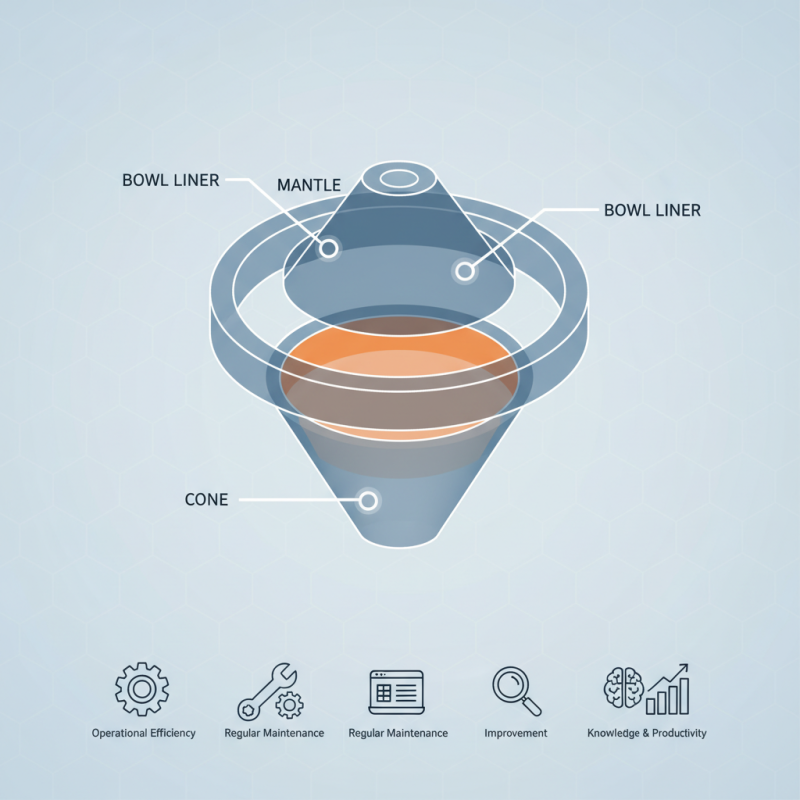
Cone crushers are pivotal in many aggregate and mining operations. The core components include the cone, mantle, and bowl liner. Each part plays a vital role in crushing materials effectively. Often overlooked, these components require regular maintenance and attention. A minor flaw can lead to significant operational setbacks.
Analyzing cone crusher components can reveal areas for improvement. Failure to understand these components can lead to inefficiencies and increased costs. It’s crucial to invest time in training and familiarizing your team with these components. Knowledge leads to better decision-making. This in-depth understanding is key to maximizing crusher productivity and longevity.
Key Components of a Cone Crusher and Their Functions
A cone crusher is an essential machine in various industries. Its effectiveness is largely due to key components that work in harmony. The main components include the mantle, bowl liner, and the crushing chamber. Each part plays a crucial role in achieving optimal performance.
The mantle is the moving part that exerts force on the material. It is usually made from high manganese steel for durability. The bowl liner, fixed in place, receives the compressed material. Both components contribute to the reduction process, enabling the machine to crush materials between them. According to a recent report from the Mining and Minerals Association, understanding these components can improve operational effectiveness by up to 30%.
Tips: Regular maintenance of the mantle and bowl liner can extend their lifespan. Inspecting for wear and tear prevents unexpected breakdowns. Operators should monitor the gap between the mantle and bowl liner to ensure consistent particle sizes. Adjustments are necessary for achieving optimal throughput.
Another important aspect is the hydraulic system. It allows for the adjustment of the setting and the release of uncrushable materials, which can save time and resources. Some studies show that a well-functioning hydraulic system can improve productivity significantly. Operators often overlook the condition of the hydraulic fluid, leading to performance issues. Regular fluid checks are vital to maintain system efficiency.
Key Components of a Cone Crusher and Their Functions
| Component |
Function |
| Outer Cone |
Forms the outer structure of the crusher and provides stability. |
| Inner Cone (Mantle) |
Crushes material against the outer cone; adjusts distance for size control. |
| Feed Opening |
Allows material to enter the crushing chamber. |
| Hydraulic System |
Controls the gap size and provides overload protection. |
| Chamber Design |
Determines the crushing efficiency and product shape. |
| Drive Shaft |
Transmits power from the motor to the crushing elements. |
| Adjustment Ring |
Facilitates the adjustment of the crushing gap. |
| Discharge Opening |
Allows crushed material to exit the chamber. |
| Bowl Liner |
Protects the inner surface of the outer cone and aids in crushing. |
| Lubrication System |
Ensures smooth operation of moving parts and reduces friction. |
The Role of the Crushing Chamber in Particle Size Reduction
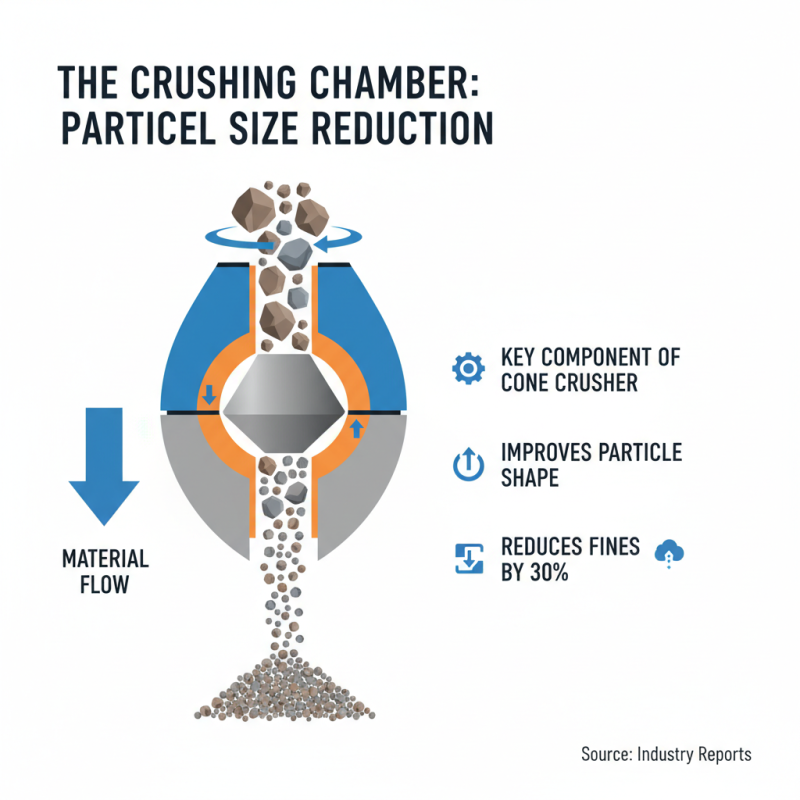
The crushing chamber is a critical component of a cone crusher. It directly affects the size and quality of the particles produced. The design of the chamber influences the flow of material and the impact on rock fragmentation. As the material enters, it encounters a series of interlocking surfaces that crush it down to the desired size. According to industry reports, effective crushing chambers can improve particle shape and reduce the generation of fines by up to 30%.
The geometry of the crushing chamber can vary widely. A shallower angle tends to create larger output sizes. In contrast, a steeper angle can increase the production of smaller particles. Research indicates that optimizing the chamber design can enhance throughput by 20%. However, this requires careful adjustments based on material characteristics and desired outputs.
Operators should also consider wear patterns within the chamber. Over time, wear can impact performance and overall efficiency. Monitoring this wear and making adjustments is essential for maintaining reliability. This evolving nature of wear resistance presents a challenge. Yet, it's vital for ensuring consistent product quality and operational effectiveness in the long run.
Understanding the Mantle and Bowl Liner Specifications
The mantle and bowl liner are crucial parts of a cone crusher. They work together to crush materials effectively. The mantle is the moving component. It gyrates inside the bowl liner, applying pressure to rock. The bowl liner, fixed in place, provides a sturdy surface for the mantle to crush against. This setup allows for efficient comminution of various materials, from hard ores to softer rocks.
When selecting mantle and bowl liner specifications, several factors come into play. The material’s hardness, size, and moisture content all matter. High-quality alloys or manganese steel are commonly used for durability. However, it's important to note that not all compositions perform equally in different applications. Some may wear out quickly under specific conditions. Understanding these nuances can lead to better decision-making in equipment selection.
Additionally, the proper fit between the mantle and bowl liner is critical. A tight fit enhances efficiency. However, an overly tight fit can lead to premature wear. Regular inspections can help identify wear patterns and misalignments. This understanding contributes to optimizing crusher performance and extending its lifespan. It requires a thoughtful approach to balancing wear resistance and operational efficiency.
Key Components of a Cone Crusher: Mantle and Bowl Liner Specifications
Hydraulic Systems in Cone Crushers: Mechanisms and Benefits
Hydraulic systems play a crucial role in the functionality of cone crushers. These systems are designed to manage the
crushing force while allowing for adjustments in the setting. Hydraulic cylinders engage to exert pressure, ensuring rocks are crushed evenly.
According to a recent industry report, hydraulic mechanisms enhance operational efficiency by up to
30%. This improvement also reduces energy consumption, a growing concern in today’s cost-conscious environment.
The benefits of hydraulic systems extend beyond performance. They enable automatic adjustments to crushing settings, which can significantly reduce downtime.
Continuous monitoring allows for real-time adaptations, keeping production levels high. Data from equipment suppliers indicates that
maintenance costs can drop by 25% with efficient hydraulic systems in place. However, reliance on hydraulics has its
challenges. System failures can lead to unexpected outages, emphasizing the need for regular maintenance checks.
Understanding these mechanisms is essential for optimizing performance. Hydraulics empower cone crushers but introduce complexity.
Operators must balance these cutting-edge technologies with practical management. Industry insights suggest that
ongoing training is vital for teams. This makes sure they are equipped to handle both routine issues and unexpected challenges.
Maintenance Practices for Optimal Cone Crusher Performance
Proper maintenance practices are essential for optimal cone crusher performance. Regular inspections can identify wear and tear early. Check the manganese liners and look for any signs of deterioration. A damaged liner can severely impact the functionality and efficiency of the crusher. Keeping the crushing cavity clean is crucial. Dust buildup can lead to overheating and reduce effectiveness.
Lubrication should not be overlooked. Use the right amount and type of oil to prevent friction. Over-lubrication can also be problematic. Ensure to maintain proper levels regularly. Scheduled maintenance can help avoid sudden breakdowns. Most operators agree that neglecting small details can lead to significant issues later.
Monitor the machine’s vibrations closely. Excessive vibration can indicate a problem within the system. Adjust or replace components as necessary. While it might seem minor, these small actions can extend the lifespan of the equipment. Remember, consistent care reflects a commitment to achieving peak performance.