How to Choose the Right Cone Crusher Bowl Liner for Your Needs?
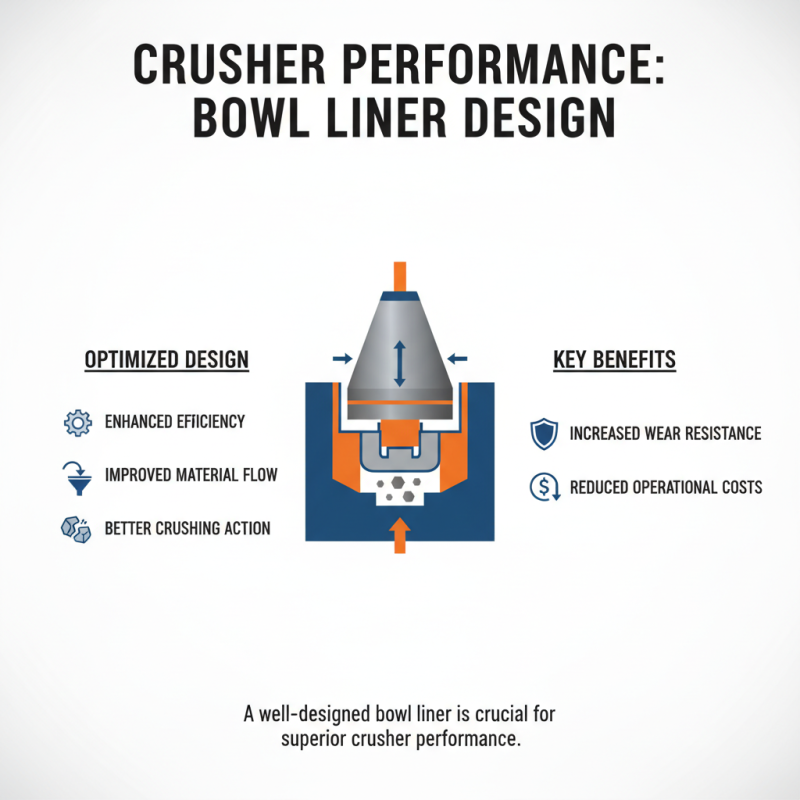
Choosing the right Cone Crusher Bowl Liner is crucial for optimal performance and longevity. Industry expert John Smith, an engineer with over 20 years of experience, emphasizes, “A well-suited bowl liner can significantly increase your crushing efficiency.” Selecting a bowl liner involves understanding your specific needs and operational conditions.
Bowl liners come in various materials and profiles. Each type offers different benefits, affecting wear resistance and product sizing. If you choose incorrectly, it can lead to excessive wear or underperformance.
Balancing your requirements with the available options can feel overwhelming. Consider factors such as the hardness of the materials, the expected life cycle of the liner, and your budget. Frequent analysis and adjustments may be necessary. Reflecting on past choices can help refine your selections moving forward. Understanding these aspects is essential to make informed decisions about your Cone Crusher Bowl Liner.
Factors to Consider When Choosing a Cone Crusher Bowl Liner
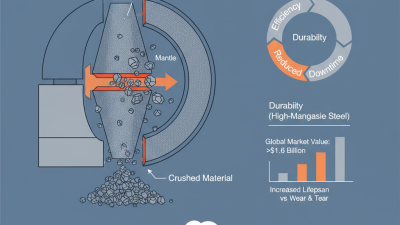
When selecting a cone crusher bowl liner, several factors come into play. Understanding the material and design is crucial. High manganese steel offers durability and adaptability to various crushing tasks. Studies show that using the right alloy can extend the lifespan of the liner by up to 20%. This not only reduces the frequency of replacements but also improves operational efficiency.
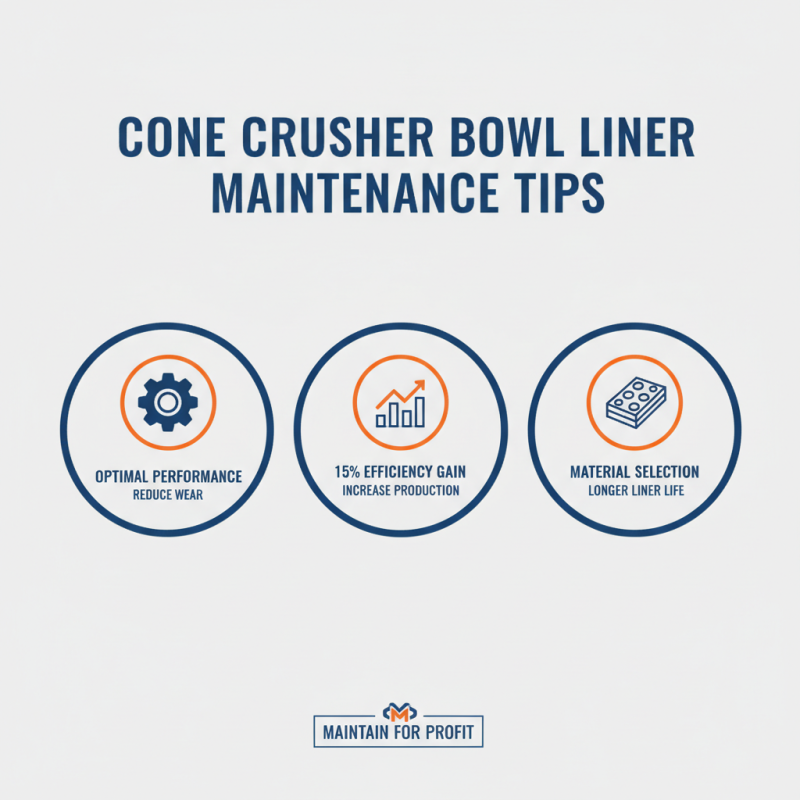
Shape and profile of the bowl liner significantly influence performance. An optimal profile supports better material flow and reduces wear. A report by the International Journal of Mineral Processing indicates that tapered designs enhance rock processing by 15%. However, some users might find these selections suboptimal, leading to inefficient crushing or increased maintenance needs.
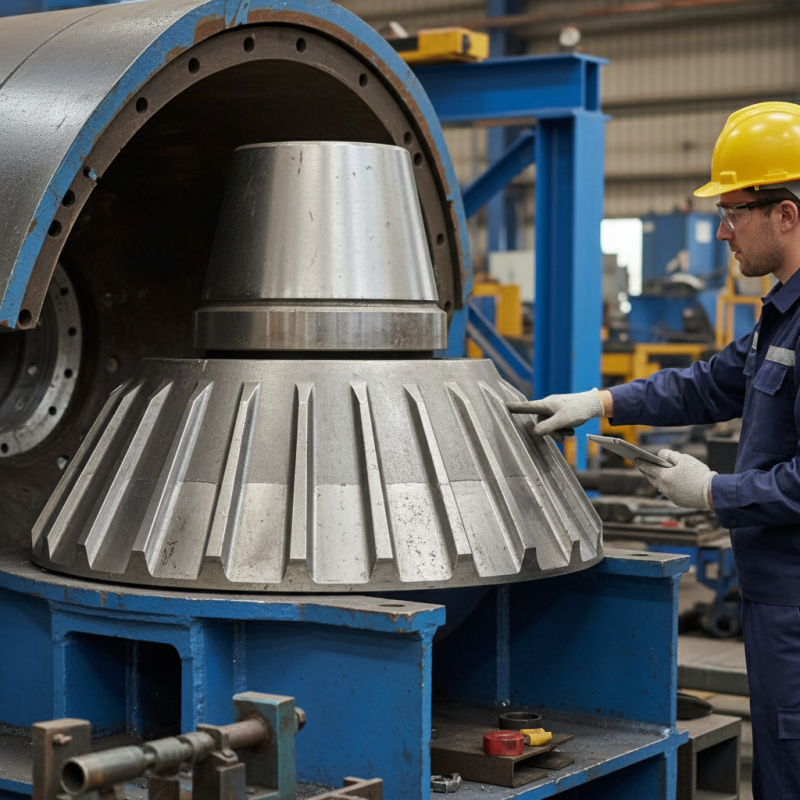
Another aspect to consider is the compatibility of the liner with your existing equipment. Regular wear pattern analysis can reveal costly misalignments. Adapting the liner to your operational techniques is pivotal. Anecdotal evidence suggests that ignoring compatibility can lead to up to a 30% drop in performance efficiency. Thus, identifying the right cone crusher bowl liner requires careful consideration of these multiple factors.
Different Types of Cone Crusher Bowl Liners Available in the Market
Choosing the right cone crusher bowl liner is essential for efficient operations. The market offers various types tailored for different applications. Understanding these options can significantly impact performance and longevity.
The two primary types are standard and short head bowl liners. Standard liners are designed for the primary crushing stage. They have a wider cavity, making them suitable for larger feed sizes. In contrast, short head liners provide finer output with a narrower cavity. Industry reports indicate that using the correct type can improve productivity by up to 30%.
Material selection is also crucial. Manganese steel is common, known for its durability. Some variations include high alloy steel and chrome alloys for enhanced wear resistance. Selecting the right liner based on the material can lead to reduced maintenance costs and increased uptime. However, many users overlook the importance of precise fit and wear patterns. Regular inspections are vital to ensure optimal performance.
Understanding Material Composition of Cone Crusher Bowl Liners
When selecting a cone crusher bowl liner, understanding material composition is essential. Bowl liners made from different materials offer varying benefits. The most common compositions include manganese steel, chrome alloy, and ceramic. Manganese steel is durable and resistant to wear, making it a popular choice. Chrome alloy, on the other hand, provides enhanced hardness, which can be beneficial in high-abrasion environments.
Consider how the material composition affects performance. Manganese steel liners can endure high impact loads, while chrome alloy liners excel in grinding applications. Remember that metal fatigue can occur over time. Regularly inspect liners for wear and tear to prevent unexpected failures.
Tip: Always evaluate the crushing application and choose materials that align with your operational conditions. A mismatch can lead to inefficiency. Think about the feed materials and the desired end product too. The right choice can improve overall productivity. Balancing durability and performance is crucial when making your selection.
How to Choose the Right Cone Crusher Bowl Liner for Your Needs? - Understanding Material Composition of Cone Crusher Bowl Liners
| Material Type |
Hardness |
Applications |
Lifespan |
Cost |
| Manganese Steel |
High |
Aggregate Industry |
2,000 - 4,000 hours |
$$$ |
| Chrome Steel |
Medium |
Mining Industry |
1,200 - 2,500 hours |
$$ |
| High Alloys Steel |
Very High |
Crushing Hard Minerals |
3,000 - 5,000 hours |
$$$$ |
| Ceramic Matrix Composites |
Ultra High |
High-Performance Applications |
5,000+ hours |
$$$$$ |