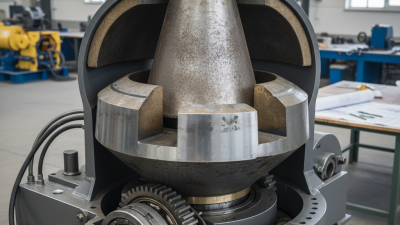
China Top Cone Crusher Bowl Manufacturer How to Choose?
Choosing a China top cone crusher bowl manufacturer requires more than comparing prices or polished websites. The right supplier should understand your crushing application, material hardness, feed size, and daily production targets. A suitable Cone Crusher Bowl must match the crusher model, chamber design, and operating conditions. Small differences in dimensions can cause uneven wear, vibration, or reduced capacity.
Look for manufacturers with proven foundry experience and clear quality procedures. Ask how they control chemical composition, casting temperature, heat treatment, and dimensional accuracy. Reliable suppliers can provide material certificates, inspection records, and traceable production information. Practical evidence matters. Request photos of machining areas, finished surfaces, packing methods, and previous export projects. If possible, compare sample reports with your existing bowl.
Do not trust the word “top” too quickly. A supplier may offer attractive claims but provide limited technical support after delivery. Discuss manganese steel grades, expected service life, warranty terms, and replacement lead times. Confirm whether engineers can recommend the correct Cone Crusher Bowl for your rock type and crusher settings. A factory visit or independent inspection can reveal details that brochures hide. Still, no manufacturer can promise identical wear life in every quarry. Operator habits, feed gradation, and maintenance affect results. The selection process should remain practical, documented, and open to review. Sometimes, the cheapest bowl becomes the most expensive decision.
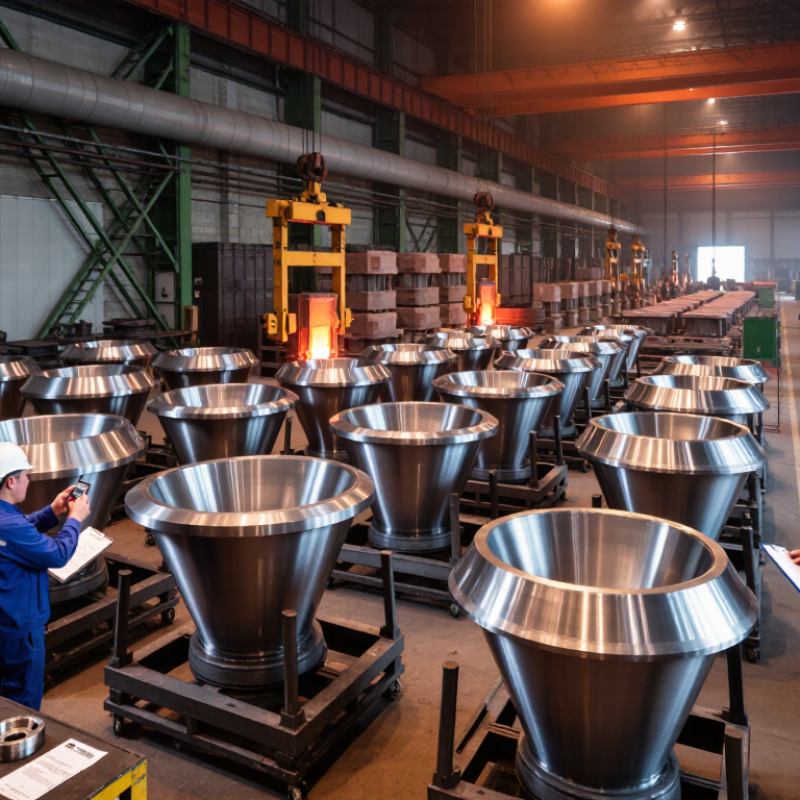
Define Cone Crusher Bowl Functions, CSS Range, and 100–2,000 t/h Capacity
China Top Cone Crusher Bowl Manufacturer: How to Choose?
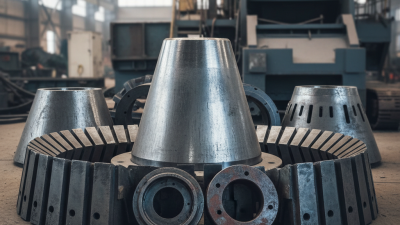
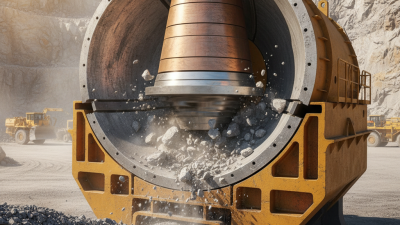
A cone crusher bowl, often called a bowl liner, forms the upper crushing chamber. It protects the frame and shapes the feed opening. Its profile directly influences product size, liner wear, and power demand. Closed side setting, or CSS, is the narrowest gap between the bowl and mantle. A smaller CSS usually produces finer material, but it can reduce capacity. Confirm the machine’s approved CSS range before ordering. Some applications operate near 6–50 mm, while heavy-duty systems require different settings.
Capacity may range from 100 to 2,000 t/h. However, this figure is never determined by the bowl alone. Feed size, rock hardness, moisture, eccentric speed, and CSS all matter. A reliable manufacturer should request these details before recommending material or profile. Ask for chemical composition, heat-treatment records, dimensional inspection, and wear-test evidence. In real plants, a bowl that fits correctly may still wear quickly if the chamber profile is unsuitable. That mistake is expensive.
Tips:
Send drawings, worn-liner photos, feed gradation, and daily tonnage. Check the seating surface carefully. Small errors matter. Ask whether production samples are traceable. I would not choose from price alone. A cheaper casting can create uneven wear, unstable output, and repeated stoppages. Even experienced teams sometimes overlook moisture or segregation. Recheck those conditions before final selection.
Verify Bowl Dimensions, Fit Tolerance, and Crusher Model Compatibility
China Top Cone Crusher Bowl Manufacturer: How to Choose?
A bowl is not a universal spare part. Verify the crusher model, chamber type, feed opening, and adjustment system before requesting a quotation. The USGS Mineral Commodity Summaries 2024 estimated U.S. crushed-stone production at about 1.9 billion metric tons in 2023.
That scale makes small fitting errors expensive. Measure the bowl’s outside diameter, overall height, thread profile, seating angle, and contact width. Use calibrated calipers for accessible surfaces. Use a coordinate-measuring machine for complex profiles. Photos help, but they do not replace drawings.
Fit tolerance needs equal attention. Ask for the manufacturer’s dimensional drawing and tolerance range, not only nominal dimensions. ISO 286-1 provides a useful tolerance framework, but crusher bowls also depend on load, wear, and thermal conditions.
Check the mating frame, adjustment ring, locking surfaces, and liner seating area together. A bowl can match the diameter and still fail at the thread or shoulder. It happens. A 1 mm discrepancy may become serious under repeated impact.
A 2024 mining equipment outlook from an established market research publisher also identifies uptime and replacement reliability as major purchasing concerns. That supports a practical rule: request inspection records, material certificates, hardness results, and a trial-fit report. One overlooked detail remains common: drawings may show new dimensions, while the receiving crusher has years of wear. Measure both parts on site before final approval.
Assess Service Life, 1,000–3,000 Operating Hours, and Cost per Tonne
China Top Cone Crusher Bowl Manufacturer: How to Choose?
Assessing a cone crusher bowl starts with service life, not the lowest purchase price. In quarry operations, practical liner life often ranges from 1,000 to 3,000 operating hours. The actual result depends on rock hardness, feed gradation, moisture, chamber profile, and closed-side setting. Ask the manufacturer for test data from comparable materials. Keep records. Small details matter.
During site inspections, experienced operators check bowl wear near the feed opening and discharge zone. Uneven wear may indicate poor feeding, incorrect alignment, or an unsuitable liner design. A reliable supplier should explain inspection intervals, torque requirements, and replacement procedures. Clear drawings and responsive technical support reduce avoidable downtime. Measure both.
Cost per tonne gives a more useful comparison than purchase price alone. Divide the bowl, installation, and planned maintenance costs by tonnes produced during its service life. For example, a 12,000-dollar bowl producing 180,000 tonnes costs about 0.067 dollars per tonne before downtime. Add lost production, labor, and energy for a realistic figure. A longer-lasting bowl is not automatically cheaper if throughput falls. That assumption deserves review. One production record can mislead when feed conditions change seasonally. Compare several campaigns, and record hours, tonnes, wear measurements, and unscheduled stops. A manufacturer willing to examine these records demonstrates practical knowledge rather than relying on broad promises.
China Top Cone Crusher Bowl Manufacturer: How to Choose?
Assessing service life, 1,000–3,000 operating hours, and cost per tonne
Audit ISO 9001 Quality Control, Testing Records, Warranty, and Export Support
Choosing a cone crusher bowl manufacturer in China requires more than comparing prices.
A reliable audit begins with a current ISO 9001 certificate and its stated scope. Ask to see process maps for casting, heat treatment, machining, and final inspection. The certificate alone proves little. In practical audits, documents may look complete while shop-floor records remain unclear. That gap deserves attention.
Request sample testing records for chemical composition, hardness, dimensions, and surface defects. Each report should identify the batch number, test method, date, and responsible inspector. For a crusher bowl, measure critical seating surfaces with calibrated tools, not visual judgment. Review nonconformance reports too. They reveal recurring problems and corrective actions. Confidential details can be masked, but basic evidence should remain verifiable.
A practical warranty should define coverage, service-life assumptions, evidence requirements, and response times. Ask what happens when premature wear appears after installation. Export support matters equally. Packing photos, wooden-case specifications, spare-part labels, and customs documents should be prepared accurately. Confirm whether engineers can review installation measurements remotely. Do not ignore communication quality. My caution is simple: even a strong supplier can miss details when drawings change late. Record every revision and approval. This is boring, but protective.