Top 10 Gyratory Crusher Wear Parts for Global Buyers?
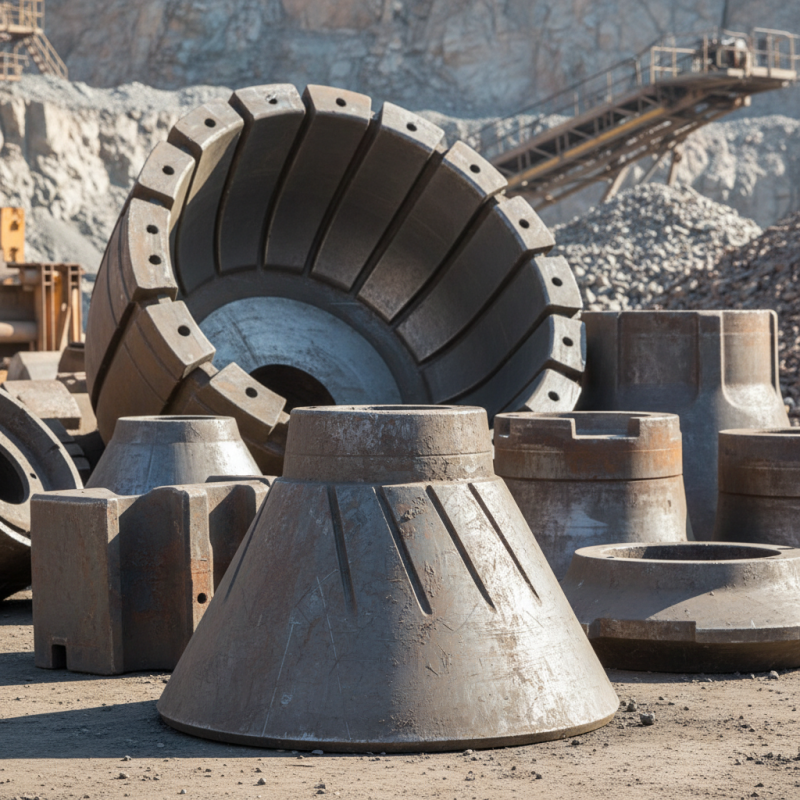
Gyratory Crusher Wear Parts are essential components in mining and aggregate production. They handle enormous stress and abrasive materials. With global demand for efficiency, understanding these parts is critical for buyers.
There are several wear parts to consider. The mantle and bowl liner are vital for crushing. Their durability impacts overall performance. Cost-effective choices can enhance productivity. However, not all options are created equal. Buyers often face challenges in selecting the right parts.
Experience matters when choosing suppliers. Many brands claim expertise, but reliability varies. Researching manufacturers can be time-consuming yet worthwhile. This guide helps buyers identify the top ten wear parts. Investing in quality Gyratory Crusher Wear Parts will lead to better outcomes. The right decisions can significantly affect long-term operational success.
Overview of Gyratory Crushers and Their Importance in Mining
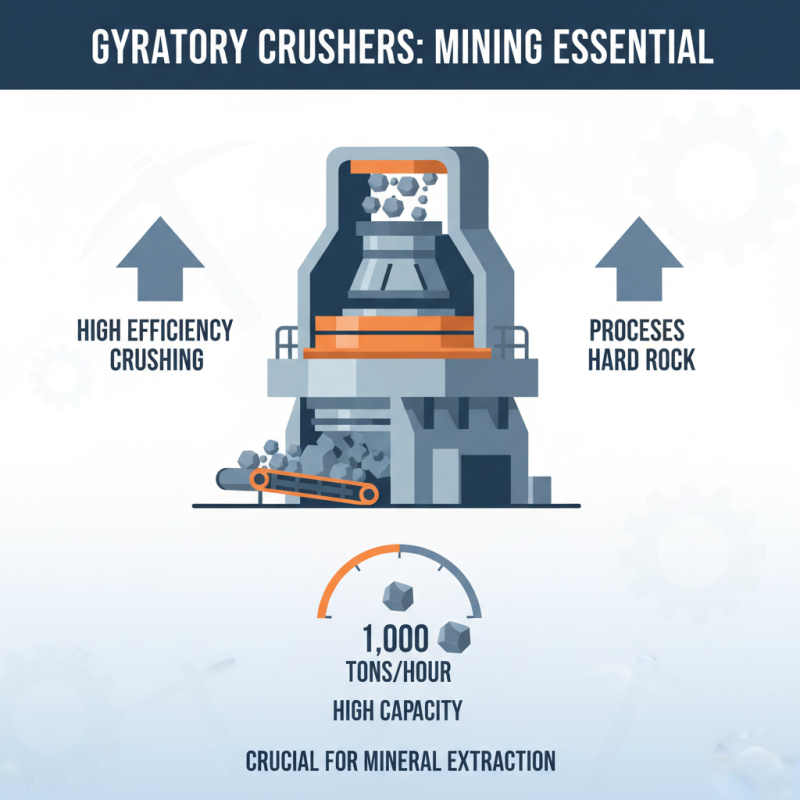
Gyratory crushers play a crucial role in mining operations. They are essential for processing large volumes of hard rock. These machines achieve high efficiency in crushing, which is vital for mineral extraction. Research indicates that gyratory crushers can process 1,000 tons of material per hour. This high capacity is one reason they are popular in the industry.
The design of gyratory crushers allows for continuous processing. Unlike other crushers, they provide a steady output. They crush materials through a combination of compression and impact. Many miners rely on these machines for their durability and performance. However, wear parts are a significant concern; the life span of components can vary widely based on usage and material type. Regular maintenance is essential to ensure their efficiency.
Data from industry reports suggest that improper maintenance can reduce efficiency by up to 25%. Operators must monitor wear rates closely. They need to replace parts to avoid hefty operational costs. In the face of evolving mining demands, understanding the implications of wear on these machines is critical. Acknowledging these factors can lead to improved strategies for effective operation.
Key Components of Gyratory Crushers and Their Functions
Gyratory crushers play a crucial role in the mining and construction industries. Their key components directly impact performance and efficiency. The mantle is one of the most critical parts. It performs the actual crushing of material against the concave. A worn mantle can lead to significant downtime. Regular inspection is essential to maintain its effectiveness.
The concave is equally important. It forms the outer shell of the crushing chamber. Proper alignment with the mantle is vital. If it becomes uneven, the crushing process suffers. Other components include the spider and the hydraulic system. The spider supports the mantle and absorbs shock during operation. Hydraulic systems regulate the gap size, which influences the size of crushed material.
Over time, even the best-maintained parts can wear out. Continuous monitoring is necessary to identify wear patterns early. Operators should not overlook the importance of regular maintenance. It directly affects productivity and operational costs. Recognizing these components' significance can improve overall crushing performance.
Top 10 Essential Wear Parts for Gyratory Crushers
Gyratory crushers are vital to many industries, especially mining and heavy construction. The wear parts in these machines play a crucial role in their efficiency and longevity. Selecting the right components can significantly affect operational performance.
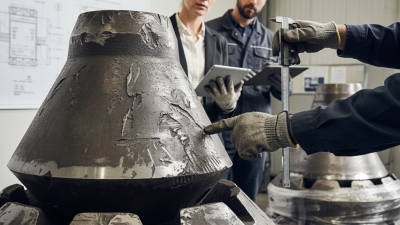
One essential wear part is the mantle. This component endures significant pressure and impacts from ore material. According to reports from industry analysts, the mantle may need replacement every 6 to 12 months, depending on usage. Another critical part is the concave liner. This unit captures material and directs it into the crushing chamber. Its wear can lead to uneven product sizes and increased operational costs. Regular inspections are vital to avoid costly downtimes.
Moreover, the spider cap and the eccentric sleeve require attention. These components prevent material from spilling out and facilitate effective functioning. Neglecting their condition can lead to catastrophic failures. Replacement intervals are somewhat unpredictable but often extend beyond a year. Monitoring wear rates provides better insights into maintenance schedules. Understanding these essential parts helps in maximizing equipment uptime and overall productivity.
Factors Influencing Gyratory Crusher Wear Part Selection
When selecting wear parts for gyratory crushers, several factors come into play. The material type is critical. High carbon alloy steel provides strength and resilience. This material typically offers up to a 30% increase in durability compared to standard options. Likewise, chrome alloys enhance wear resistance, which is crucial in high-impact scenarios.
The size and geometry of wear parts also influence choice. Parts must fit perfectly in tight spaces for optimal performance. A report by the Minerals Industry highlights that improper sizing can reduce efficiency by up to 25%. Additionally, the application environment matters. Crushing abrasive materials requires tougher wear parts than softer materials, emphasizing the need for a tailored approach.
Maintenance and replacement frequency are other key considerations. Regular inspections are vital. Data shows that early detection of wear can extend part life by up to 50%. Balancing cost with performance is essential. Some may opt for cheaper options, but often, these result in higher long-term costs due to frequent replacements and reduced efficiency. An informed decision requires weighing all these factors carefully.
Global Suppliers and Market Trends for Gyratory Crusher Parts
The global market for gyratory crusher parts is evolving rapidly. Suppliers are adjusting to meet the demands of various industries, including mining and construction. Customization has become a key trend. Many companies now offer tailored solutions to improve efficiency and durability.
Demand for high-quality wear parts is increasing. Buyers are looking for components that can withstand harsh environments. This shift is creating opportunities for innovative suppliers. Materials that enhance resistance to wear and tear are crucial. Manufacturers are investing in research to develop these advanced materials.
However, challenges persist. Supply chain disruptions can hinder timely deliveries. Additionally, some suppliers may not provide consistent quality. Buyers need to conduct thorough research before making purchasing decisions. Identifying reliable partners can make a significant difference. Understanding market trends and supplier capabilities will lead to more informed choices in this competitive landscape.