Top 10 Jaw Crusher Wear Parts Every Operator Should Know About
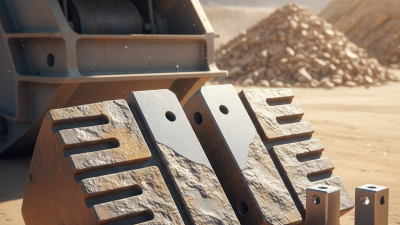
In the competitive world of mining and aggregate production, Jaw Crusher Wear Parts play a critical role. According to a recent industry report, equipment maintenance can account for up to 30% of production costs. Understanding these parts enhances efficiency and reduces unexpected downtime.
Every operator should be familiar with key components like jaw plates, cheek plates, and toggle plates. These elements directly influence the crusher's performance and lifespan. Data shows that replacing worn parts can extend service life by 25%. However, many operators overlook this, leading to costly repairs and lost time.
The importance of quality cannot be overstated. Manufacturers continue to innovate, yet some parts often fall short in performance. This discrepancy raises questions about material sourcing and production standards. Operators must remain vigilant, ensuring they select reliable suppliers. Investing in quality Jaw Crusher Wear Parts will ultimately pay dividends in productivity and operational efficiency.
Understanding the Importance of Jaw Crusher Wear Parts
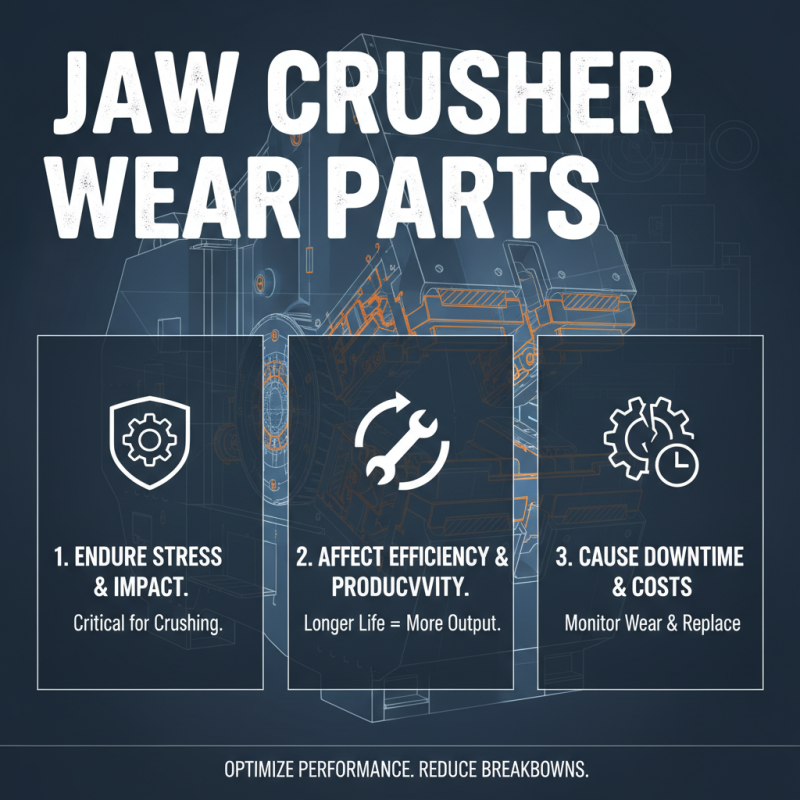
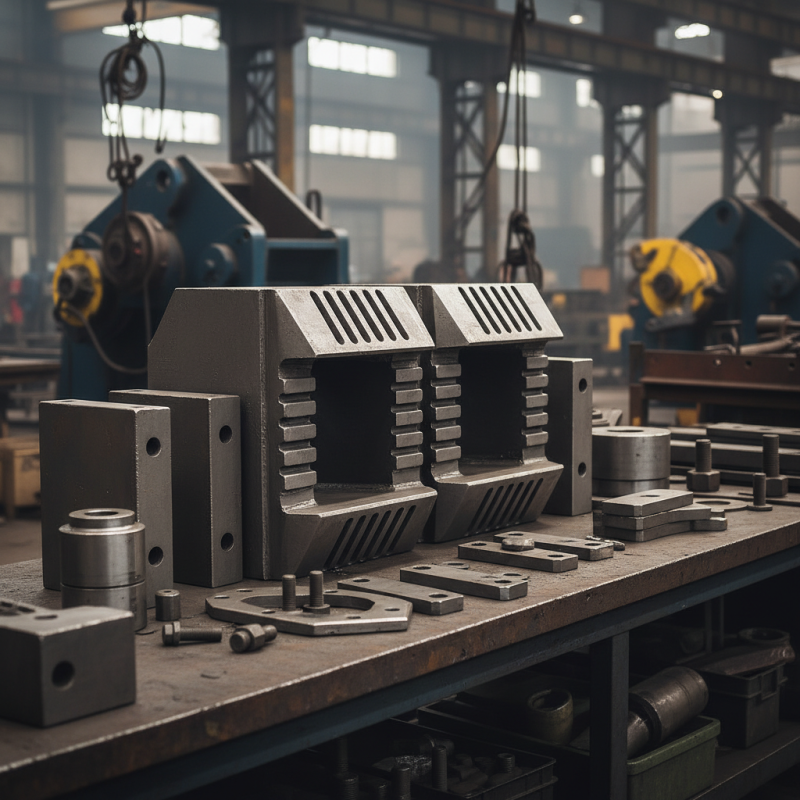
Understanding jaw crusher wear parts is vital for any operator. These components endure significant stress and impact during operation. Their longevity directly affects efficiency and productivity. Regular wear can lead to unexpected breakdowns and costly downtime. Operators should be aware of how these parts function and wear out over time.
Key components include jaws, cheek plates, and liners. Each of these parts serves a critical role in crushing materials. Jaws are designed to absorb shock and wear but may crack or fracture with prolonged use. Cheek plates protect the sides of the crushing chamber but can also wear down, affecting the machine's performance. Liners, on the other hand, require frequent inspections. Replacing them at the right time is crucial.
Operators often overlook the small wear parts. They might not seem significant, but they contribute to overall performance. Missing a minor detail can lead to bigger issues. Regular maintenance check-ups and proper monitoring are essential. Understanding these wear parts helps in making informed decisions. It enables a more efficient and safer operating environment.
Key Components: Overview of Jaw Crusher Wear Parts
In the world of crushing equipment, jaw crusher wear parts play a critical role in ensuring efficiency and longevity. Key components such as
jaw plates,
cheek plates, and
toggle plates
are essential for optimal performance. According to industry reports, wear parts can contribute to over 30% of the operational cost of a crusher. Understanding these parts helps operators minimize downtime and reduce replacement frequency.
Jaw plates are among the most critical wear parts. They directly interact with the material being crushed. Regular inspection can reveal signs of wear that inform timely replacement, preserving the machine's efficiency.
Cheek plates also impact the crushing process. They protect the body of the crusher and need to be replaced when showing excessive wear. Consider tracking the material types being processed; certain materials can lead to faster wear due to their abrasiveness.
Tip: Always monitor the wear patterns on your jaw plates. This provides insights into material characteristics and helps in adjusting operational parameters. Another tip is to keep spare parts on hand. This practice ensures quick replacements, minimizing disruptions. Operator awareness of wear rates can lead to improved machinery wisdom and better financial management. Understanding when to replace these components isn't just about cost; it’s a strategy for efficiency.
Identifying Common Types of Wear Parts in Jaw Crushers
When operating a jaw crusher, understanding wear parts is crucial. These components endure significant stress and require careful monitoring. Key wear parts include the jaw plates, which often experience the most substantial wear. Studies show that jaw plates can wear down by over 40% during regular operations. This decline affects the crusher's efficiency and output.
Another vital component is the toggle plate. It connects the movable jaw to the mainframe, allowing for the crushing action. Research indicates that a worn toggle plate can lead to uneven crushing and damage to the machine. Operators should regularly inspect this part. A worn-out toggle can compromise safety.
Additionally, the cheek plates protect the exterior of the jaw crusher. They are often overlooked but crucial. Regular maintenance can prolong their life. Some operators report needing to replace these plates as frequently as every three months. This highlights the importance of understanding wear patterns. Operators must be proactive. Poor monitoring can lead to unexpected downtime and increased costs.
Maintenance Tips for Jaw Crusher Wear Parts Longevity
Proper maintenance of jaw crusher wear parts is essential for longevity. Regular inspections can prevent unexpected breakdowns. Check the condition of the jaw plates and ensure they are aligned correctly. Misalignment can cause excessive wear and reduce efficiency. Additionally, monitor the wear on toggle plates regularly. If they become too worn, it can result in inefficient crushing and additional damage.
Cleaning the parts frequently is crucial. Dust and debris can accelerate wear. A simple wash can help maintain the components longer. Don’t ignore lubrication. Insufficient lubrication leads to overheating and rapid degradation of the parts. Operators often overlook this, but it’s a vital step.
Mind the wear profiles as well. Different materials wear differently. It’s essential to understand the type of material you’re processing. Some materials may require more frequent adjustments. Operators often forget to review their procedures. This can lead to unnecessary replacements and higher costs. Regularly updating maintenance practices can improve overall performance.
Top 10 Jaw Crusher Wear Parts Every Operator Should Know About - Maintenance Tips for Jaw Crusher Wear Parts Longevity
| Part Name |
Function |
Common Materials |
Maintenance Tips |
| Jaw Plates |
Crushes feed material |
Manganese Steel |
Regularly inspect for wear and replace as needed |
| Cheek Plates |
Protects the frame and absorbs crushing loads |
High-Carbon Steel |
Check for cracks and replace before failure |
| Toggle Plate |
Transmits power from the drive to the jaw |
Steel Alloy |
Inspect for bending and replace if damaged |
| Pitman |
Houses the toggle and transfers motion |
Cast Steel |
Lubricate regularly and check for fatigue cracks |
| Bearing |
Supports the pitman and toggle plate |
Bronze or Composite Materials |
Keep well lubricated and check for noise |
| Frame |
Provides structural support |
Welded Steel |
Inspect for cracks and misalignment regularly |
| Fixed Jaw |
Stationary crush surface |
High Manganese Steel |
Monitor wear and adjust as needed |
| Movable Jaw |
Dynamic crush surface |
Manganese Alloy |
Check for wear and replace when necessary |
| Liner Plates |
Protects jaws from wear |
Manganese Steel |
Regular inspection and timely replacement |
| Wedge |
Maintains jaw plate positioning |
Alloy Steel |
Ensure tightness and check for wear |
Best Practices for Replacing and Installing Wear Parts
When it comes to jaw crushers, the efficiency of your machinery greatly depends on the wear parts. Replacing and installing them correctly is crucial. Operators should conduct regular inspections. Look for signs of wear and tear. Addressing these issues early can save time and costs.
Proper installation is key to performance. Always use the recommended tools for changing parts. Follow the guidelines closely. Tightening can be tricky; over-tightening can cause damage. Ensure that all components fit snugly but not excessively tight. Avoid rushing through the process. Each step matters.
Mistakes can happen, even with experience. Monitor the performance after installation. Listen for unusual sounds. Any vibrations might indicate misalignment. It's a learning process. Keep a log of replacements. Document what works well and what doesn’t. This will refine your approach over time.