Essential Gyratory Crusher Parts Tips for Global Buyers?
In the ever-evolving world of mining and construction, Gyratory Crusher Parts play a pivotal role in ensuring operational efficiency. Industry expert, John Smith, states, "Quality parts are the backbone of any successful crushing operation." This highlights the importance of selecting the right components for your crusher.
Gyratory crushers are known for their robust construction and high-capacity performance. However, not all parts are created equal. Buyers must understand the critical nature of these components. A simple oversight can lead to costly downtime. Each part, from the mantle to the spider cap, carries its unique responsibilities.
Investing in reliable Gyratory Crusher Parts is not just about immediate savings. It is about long-term sustainability and performance. While some buyers may rush to secure the cheapest options, this can lead to a false economy. Ensuring you choose quality parts will yield better results and reliability in the long run.

Key Components of Gyratory Crushers: An Overview
Gyratory crushers are vital in the mining and aggregates industries. Understanding their key components is crucial for global buyers. The main parts include the mantle, concave liners, and the main shaft. Each of these elements plays a distinct role in achieving efficient crushing.
The mantle is the moving piece. It oscillates and crushes the rocks against the concave surface. Its wear pattern affects the overall efficiency of the machine. Regular inspection is necessary here, as wear can lead to reduced performance. The concave liners, on the other hand, are the fixed part that helps shape the output material. Damaged or worn liners may require replacement. It’s essential to keep track of their condition.
The main shaft houses various components. It transmits force and supports the mantle. If the shaft is compromised, the whole system can fail. The bushings and bearings should also be monitored for proper lubrication and operation. Regular maintenance can prevent unforeseen breakdowns. Without careful attention, small issues can escalate into major problems, leading to costly downtimes.
Understanding the Importance of Gyratory Crusher Parts
Understanding the parts of a gyratory crusher is crucial for any buyer. These machines are vital in the mining and aggregate industries, crushing large rocks into manageable sizes. Key components include the mantle, concave liners, and spider assembly. Each part plays a specific role in the crushing process, impacting efficiency and durability.
Buyers must consider wear rates of these parts. High-quality materials can extend the life of a gyratory crusher. However, not all parts are created equal. Selecting inferior components can lead to frequent breakdowns and increased operational costs. It's essential to assess the materials used in manufacturing parts for reliability.
Regular maintenance is another critical aspect. Even the best components need care. Neglecting maintenance can result in unexpected failures. This reduces overall efficiency and productivity. Buyers should be prepared to invest in routine inspections and repairs to ensure optimal performance. Understanding these details equips buyers to make informed decisions.
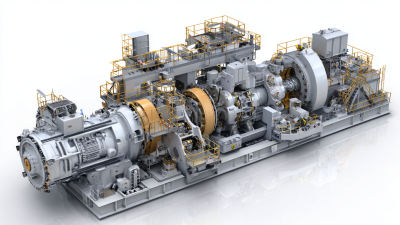
Essential Gyratory Crusher Parts Overview
Quality vs. Cost: Choosing the Right Suppliers for Gyratory Parts
When it comes to selecting suppliers for gyratory crusher parts, balancing quality and cost is crucial. Buyers should meticulously evaluate potential suppliers. An essential quality check can include inspecting their manufacturing processes. A reputable supplier will often showcase their production methods and quality control measures on their website or upon request.
Cost is undeniably a key factor. However, the lowest price doesn’t always guarantee the best value. Sometimes, suppliers offering the cheapest parts may compromise on materials and craftsmanship. It's vital to recognize that investing slightly more might lead to enhanced performance and longevity of the parts you purchase. The challenge lies in identifying suppliers that can deliver both affordability and quality.
Researching supplier reviews and testimonials is a smart move. This approach can provide insights into their reliability and customer service. Establishing a good communication channel with suppliers may reveal their responsiveness and willingness to address concerns. Ultimately, achieving a balance between quality and cost requires diligence and sometimes, tough decisions. Reflecting on these choices will help buyers grow more informed and discerning.
Maintenance Tips for Enhancing Gyratory Crusher Longevity
Proper maintenance of gyratory crushers is crucial for extending their lifespan and ensuring optimal performance. Regular inspections and age-driven replacements can prevent costly breakdowns. For instance, the global average lifespan of major components can vary significantly, often ranging from 15,000 to 30,000 hours, depending on operational conditions and maintenance practices. Operators must adopt a routine schedule to assess wear parts, such as concaves and mantles, and replace them before severe damage occurs.
Lubrication plays a vital role in maintaining the efficiency of gyratory crushers. Implementing a consistent lubrication schedule, tailored to the working environment, can significantly reduce friction and wear. Studies suggest that improper lubrication can lead to a 30% increase in operational costs due to part failures. Monitoring the temperature and oil quality regularly can also help prevent overheating and mechanical failure, which are common issues when adequate lubrication is neglected.
Operators should also focus on monitoring vibration levels. Excessive vibrations often indicate misalignment or wear issues. Data indicates that vibration monitoring can improve maintenance responsiveness by over 40%. Such proactive measures enhance not only the lifespan of the machinery but also overall production efficiency. Fine-tuning maintenance practices requires continuous learning and adaptation to evolving operational challenges within mining and aggregate industries.
Navigating Global Markets: Sourcing Gyratory Crusher Parts Effectively
Navigating global markets for sourcing gyratory crusher parts requires a clear strategy. Buyers should research various suppliers. Understanding regional differences is vital. Each market has unique requirements concerning quality, pricing, and delivery. It’s essential to identify reputable manufacturers who meet industry standards.
Buyers must also be aware of language barriers and cultural differences during negotiations. Effective communication is key to building trust. Utilize local experts to facilitate discussions. This approach can enhance understanding and reduce risks.
When sourcing, transparency in supply chain practices is fundamental. Request documentation that ensures quality control and compliance. Be prepared to face challenges, such as fluctuating shipping costs and lead times. Always explore alternatives to mitigate risks. While the market offers numerous options, thorough due diligence is crucial. Consider potential trade-offs in price versus quality.