Ultimate Tips for Choosing the Right Single Flat Sheet?
Choosing the right single flat sheet is crucial for enhancing comfort and style in your bedroom. Studies show that over 70% of consumers prioritize quality and feel when selecting bedding. A well-chosen sheet can improve sleep quality significantly. The global market for bed linens is expected to exceed $30 billion by 2025, highlighting the importance of making informed choices.
When it comes to single flat sheets, fabric type matters. Cotton is popular for its breathability. However, synthetic materials could offer durability and wrinkle resistance. Many might overlook thread count, which often indicates quality. A count between 200 and 400 strikes a good balance for most.
It's easy to make mistakes in the buying process. Many people focus solely on color or design, neglecting material and care instructions. This can lead to dissatisfaction after purchase. Reflecting on the right attributes is vital for making a lasting investment in bedroom comfort. Remember, a single flat sheet is not just a functional item; it's part of your sanctuary.
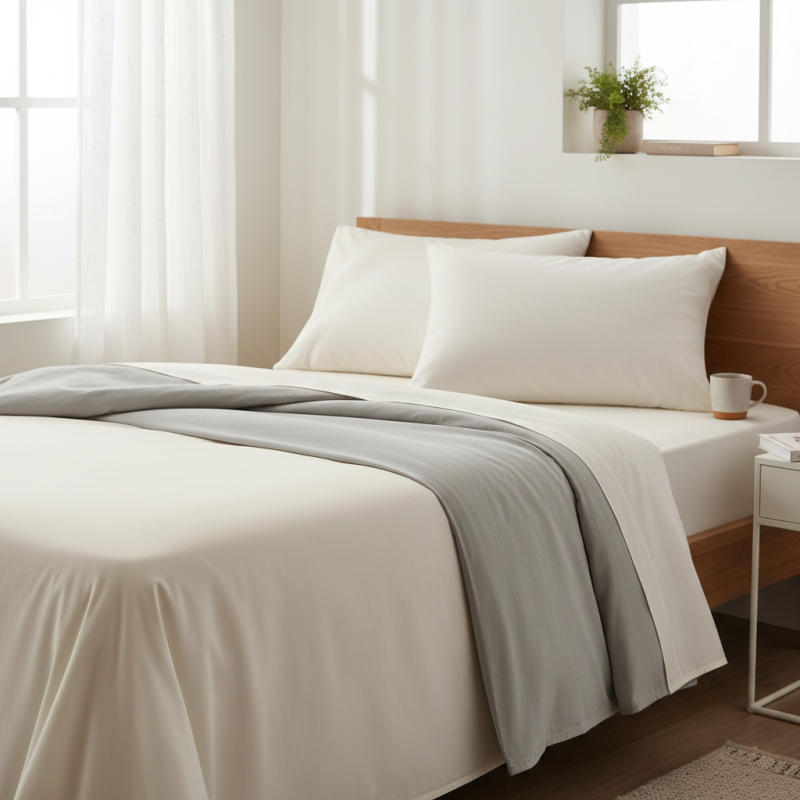
Factors to Consider When Selecting a Single Flat Sheet
When selecting a single flat sheet, fabric choice is crucial. Cotton is soft and breathable, perfect for warmth. Linen, known for its durability, offers a unique texture and coolness. Consider how these fabrics feel against your skin. You might prefer one over the other based on personal experience.
Thread count also matters. A higher count often means a smoother feel. However, very high thread counts can be misleading. They sometimes indicate the use of lower-quality fibers. It’s essential to choose wisely here. Pay attention to the sheet's weave as well. Percale is crisp, while sateen feels luxurious and silky.
Don’t forget about the size. Measure your mattress carefully to ensure a good fit. Some sheets can shrink after washing. That’s a common issue many encounter. You want a flat sheet that will stay in place.
Finally, consider the color and pattern that suits your style. A bright color can energize your space. But, we all have preferences that change over time.
Choosing the Right Material for Your Single Flat Sheet
Choosing the right material for your single flat sheet can significantly enhance your sleeping experience. Cotton is a popular choice due to its breathability. It keeps you cool in the summer and warm in colder months. However, not all cotton is the same. Thread count matters, but it’s not the only factor. High thread count doesn’t always mean better quality.
Linen offers a rustic charm and excellent moisture-wicking properties. It feels rougher at first but softens over time. Some might find this texture undesirable. Microfiber is another option. It is affordable and resistant to wrinkles. Yet, it may not breathe as well as cotton or linen. This could lead to discomfort during hot nights.
Bamboo sheets have gained popularity for their eco-friendliness. They are soft and hypoallergenic. Still, they can be pricier. Synthetics might be tempting due to their durability. But they are often not as comfortable. Choosing the right material requires personal reflection on your comfort needs. Each option presents pros and cons, making it essential to consider what matters most to you.
Understanding Thread Count and Its Importance
When selecting a single flat sheet, thread count is often a key factor. It refers to the number of threads woven into one square inch of fabric. A higher thread count typically means a softer and more luxurious feel. However, this isn’t the only consideration. Some sheets with lower thread counts can still provide comfort.
Many buyers focus solely on thread count. This may lead to overlooking other important details. Fabric type plays a crucial role. Cotton, linen, and synthetic blends all offer different sensations and durability. Cotton sheets, especially those labeled as long-staple, can outlast their higher thread count counterparts.
People often equate thread count with quality. But so much varies from one sheet to another. It’s essential to also consider the weave and finishing process. Many manufacturers emphasize thread count without addressing these factors. In the end, a thoughtful selection goes beyond just numbers. It involves personal preference and comfort level. An informed decision rests on these deeper aspects.
Understanding Thread Count in Single Flat Sheets
Color and Pattern Selection for Single Flat Sheets
Choosing the right color and pattern for a single flat sheet can transform your bedroom. It’s not just about aesthetics; it’s about creating a mood. Bold colors can energize. Soft pastels can relax. Consider the atmosphere you wish to create.
When selecting patterns, think about your personality. Stripes can add a classic touch. Floral prints can bring in a romantic vibe. Geometric shapes can offer a modern feel. Mix and match but be cautious. Too many patterns can clash, resulting in chaos rather than harmony.
Pay attention to your existing decor. A contrasting color can make your sheet a focal point. Alternatively, coordinate it with your duvet or walls for a cohesive look. Colors may appear different in various lighting, so test them out before making a decision. This may take time and can be daunting, but it’s essential. Don't rush the process; reflect on what truly resonates with you. It's about comfort and style combined.
Ultimate Tips for Choosing the Right Single Flat Sheet - Color and Pattern Selection for Single Flat Sheets
| Dimension | Color Options | Pattern Ideas | Fabric Types |
| Single (90 x 190 cm) | White, Light Blue, Soft Pink | Floral, Geometric, Stripes | Cotton, Polyester, Linen |
| Twin (99 x 190 cm) | Pastel Yellow, Mint Green, Lavender | Polka Dots, Chevron, Solid Color | Microfiber, Bamboo, Tencel |
| Single XL (90 x 203 cm) | Dark Grey, Charcoal, Navy Blue | Tropical, Abstract, Animal Print | Satin, Jersey, Organic Cotton |
Caring for Your Single Flat Sheet: Washing and Maintenance Tips
Caring for your single flat sheet is crucial to prolong its life. Begin by reading the care label. Different fabrics require various washing methods. Most cotton sheets can be washed in cold water. Avoid using bleach; it weakens fibers over time. If you use fabric softener, remember that less is more. Too much can make your sheets feel waxy.
Drying is another important aspect. Tumble dry on low heat to prevent shrinkage. If you prefer air drying, hang sheets outside. Sunlight has natural antibacterial properties. However, too much exposure may fade colors. Think about using a mild detergent. It protects the fabric while still getting rid of dirt and sweat.
Storing your sheets matters too. Fold them neatly and stick to a dry, dark place. A shelf in a closet works well. Avoid stacking heavy items on top. This can lead to unwanted creases or even damage. Regularly inspect for stains or wear. Addressing issues early can save your sheets from becoming unusable. It's all about finding a routine that suits your lifestyle.



