What is Swing Jaw Plates for Jaw Crusher and How Do They Work?
The use of Swing Jaw Plates For Jaw Crusher is crucial in mining and construction industries. According to John Doe, a renowned expert in crushing technology, “The efficiency of a jaw crusher largely relies on the quality of its swing jaw plates.” This emphasizes the importance of understanding how these components function.
Swing jaw plates play a vital role in the crushing process. They are subject to high levels of stress and wear over time. The design and material choice can significantly affect performance. Manufacturers aim for durability while maintaining optimal crushing action. However, maintenance is often overlooked, leading to reduced efficiency.
Incorporating high-quality swing jaw plates can enhance a crusher's longevity. Regular assessments are necessary to identify wear and tear. Companies often hesitate to invest in upgrades. This reluctance can cause them to miss out on better performance. A balance between cost and quality should be prioritized for successful operations.
Definition and Function of Swing Jaw Plates in Jaw Crushers
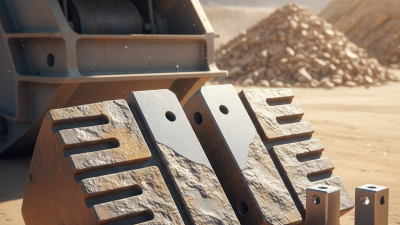
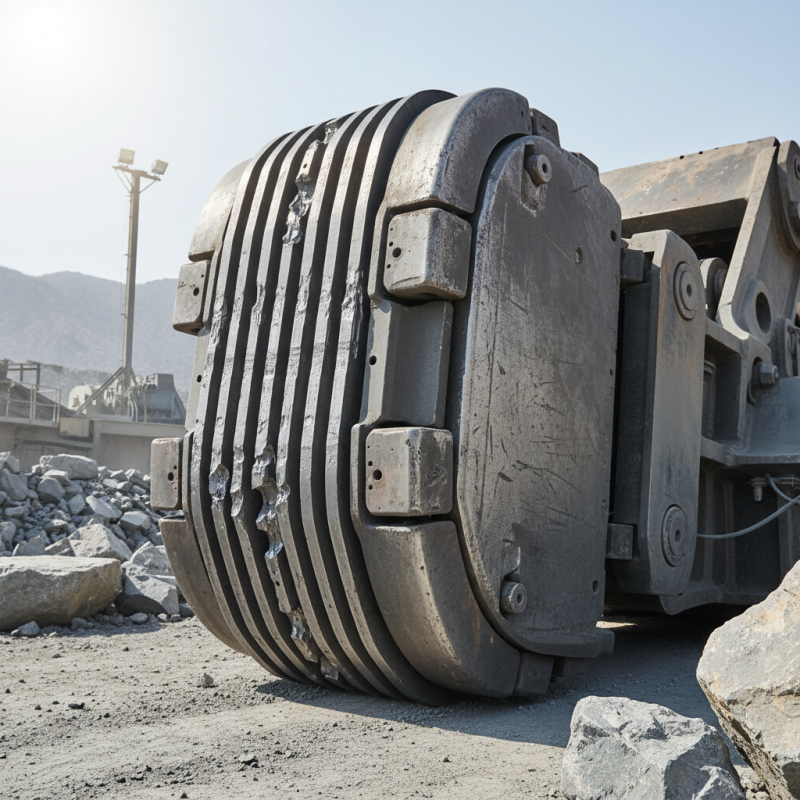
Swing jaw plates are essential components in jaw crushers, serving as the pivot point for the crushing action. They work in conjunction with the fixed jaw plate to crush materials by compressing them between the two surfaces. When the swing jaw moves toward the fixed jaw, it reduces the size of the material, enabling efficient processing.
In a jaw crusher, the swing jaw plate is crucial for maintaining the machine's operational efficiency. It experiences considerable wear due to the continuous impact against hard materials. Industry reports indicate that properly designed swing jaw plates can increase the lifespan of the crusher by up to 30%. Using high-quality materials for these plates can significantly improve performance. Regular inspections and maintenance are required to ensure optimal conditions.
Tip: Monitor the wear on swing jaw plates regularly. Replacing them timely can prevent further damage to other components.
In practice, it's common for operators to overlook the importance of swing jaw plate maintenance. Neglecting this can lead to decreased efficiency and increased costs. A consistent maintenance routine can mitigate these issues, enhancing both productivity and equipment lifespan. Regularly assess your machinery to avoid potential downtimes.
Swing Jaw Plates in Jaw Crushers
Materials Used for Manufacturing Swing Jaw Plates
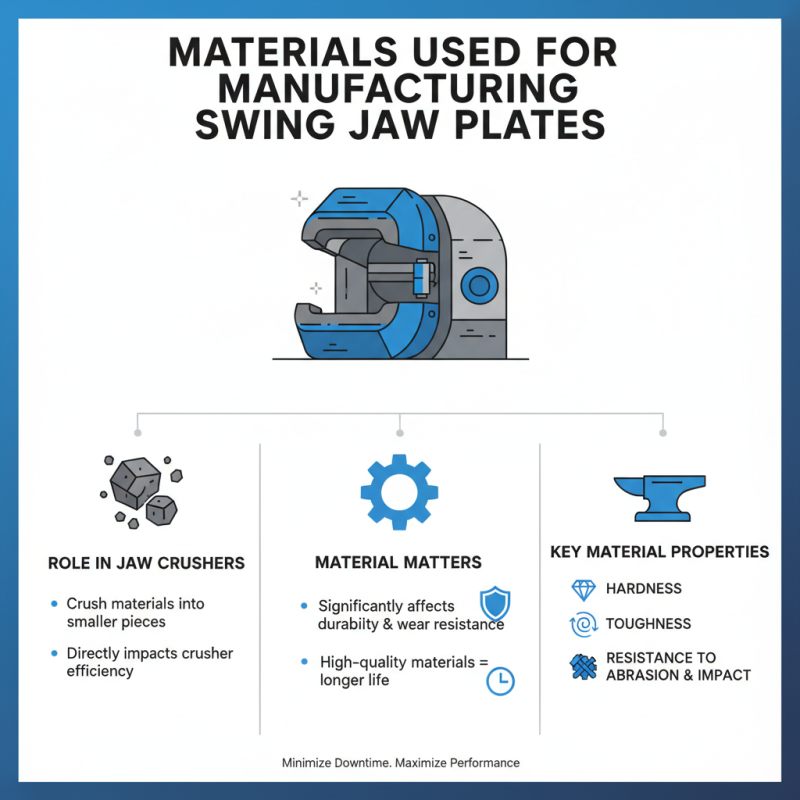
Swing jaw plates play a vital role in the operation of jaw crushers. These plates are essential for crushing materials into smaller pieces. Their performance directly impacts the efficiency of the crusher. The materials used for manufacturing swing jaw plates significantly affect their durability and wear resistance. High-quality materials ensure longer operational life and minimize downtime.
Typically, swing jaw plates are made from manganese steel. This material exhibits excellent hardness and impact strength. Reports indicate that manganese levels in the composition can exceed 12%. Such levels enhance durability. Other materials, like carbon steel, are also used. However, they may not provide the same level of wear resistance. The choice of material directly influences crushing efficiency. Testing shows that jaw plates made from high manganese content last up to 30% longer than those made from lower-grade alloys.
While innovative materials are explored, challenges remain. Manufacturing consistency can vary. Flaws in the casting process lead to weak points, affecting performance. Regular quality checks are essential to prevent premature failure. Designing swing jaw plates for diverse applications requires ongoing research to adapt to different environments and material types. Understanding these materials' properties helps manufacturers improve the efficiency and reliability of jaw crushers.
Mechanism of Action: How Swing Jaw Plates Work in Crushing
The swing jaw plates play a crucial role in the operation of a jaw crusher. They are designed to facilitate the crushing of hard materials by using hydraulic or mechanical forces. When the swing jaw moves, it effectively opens and closes against the stationary jaw. This movement creates a compressive force that fractures the material between the plates. According to industry data reports, the efficiency of this mechanism can lead to a reduction in energy consumption by up to 30%, improving overall productivity.
In practice, swing jaw plates are typically made from high-quality manganese steel. This material offers excellent resistance to wear, an essential feature given the harsh crushing environment. The design and angle of the swing jaw influence the size and shape of the crushed product. Even small adjustments can significantly affect performance. However, not every swing jaw plate is optimized for every application; some configurations may lead to premature wear or inadequate crushing.
Evaluating the mechanism of swing jaw plates requires careful analysis of working conditions. For example, excessive material feed may lead to blockages, affecting overall effectiveness. Monitoring the wear patterns on the jaw plates is vital. Industry trends indicate that proactive maintenance can extend the lifespan of these components by up to 50%. However, perfect optimization remains a challenge, requiring continuous improvement and adaptation in design and operation.
Common Types of Swing Jaw Plates and Their Applications
Swing jaw plates are essential components in jaw crushers. They play a pivotal role in the crushing process. Different types of swing jaw plates offer various benefits based on their design and material.
Common types include standard, heavy-duty, and adjustable plates. Standard swing jaw plates are made of a mix of manganese and carbon steel. They work effectively for general crushing applications. Heavy-duty plates are thicker and designed for more abrasive materials, such as granite. They resist wear and tear better than standard plates. Adjustable swing jaw plates allow for settings that can enhance performance by optimizing the gap size.
Each type has its specific applications. Standard plates fit well in recycling operations. Heavy-duty plates suit larger projects. Understanding the selection criteria can be tricky. Not every plate fits every need, and mistakes can lead to inefficient crushing. Choosing the right swing jaw plate requires balancing material type and operational goals.
Maintenance and Replacement of Swing Jaw Plates in Jaw Crushers
Maintenance of swing jaw plates in jaw crushers is essential for optimal performance. Regular inspection is crucial. These plates endure significant wear and tear during operation. A worn-out plate can lead to inefficient crushing. This inefficiency can increase operational costs and affect productivity. Hence, a well-planned maintenance schedule is necessary.
When replacing swing jaw plates, consider the material quality. High-quality materials ensure durability. However, improper installation can lead to misalignment. This misalignment causes uneven wear. Inspect the mounting bolts regularly to prevent loosening. Replacing plates should occur at the first sign of fatigue. Doing so minimizes further damage to the crusher. Regular training for operators can enhance maintenance practices. This training promotes awareness of potential issues.