What Is a Swing Jaw Plate for a Jaw Crusher?
What Is a Swing Jaw Plate for a Jaw Crusher? The answer begins inside the crushing chamber, where the swing jaw plate moves against the fixed jaw plate. This replaceable component receives direct impact from blasted rock, recycled concrete, and abrasive minerals. Its teeth or corrugated surface grip feed material, compress it, and help reduce oversized pieces into manageable fragments. Without the right plate profile, the crusher may produce uneven product sizes, higher power consumption, and faster wear.
“Wear parts should be selected from actual operating conditions, not from a catalogue alone,” says Dr. Tim Napier-Munn, a widely cited comminution specialist. His observation reflects a practical truth about Swing Jaw Plates For Jaw Crusher applications. Feed hardness, moisture, lump size, crushing chamber design, and operating speed all influence plate performance. A manganese plate may suit one quarry, while a composite or customized design may better serve another site.
Small details matter.
Operators should inspect the tooth profile, discharge setting, plate thickness, and fastening points during routine checks. Bright impact marks, uneven grooves, loose bolts, or exposed backing material can signal trouble. Replacement timing is not always obvious. Running a plate too long may damage the jaw seat and increase downtime. Yet replacing it too early wastes usable wear life.
This guide examines swing jaw plate function, construction, wear patterns, material choices, and maintenance practice. It also considers an uncomfortable point: no wear plate lasts forever. Good selection reduces risk, but it cannot remove the realities of crushing rock.
What a Swing Jaw Plate Is
What Is a Swing Jaw Plate for a Jaw Crusher?
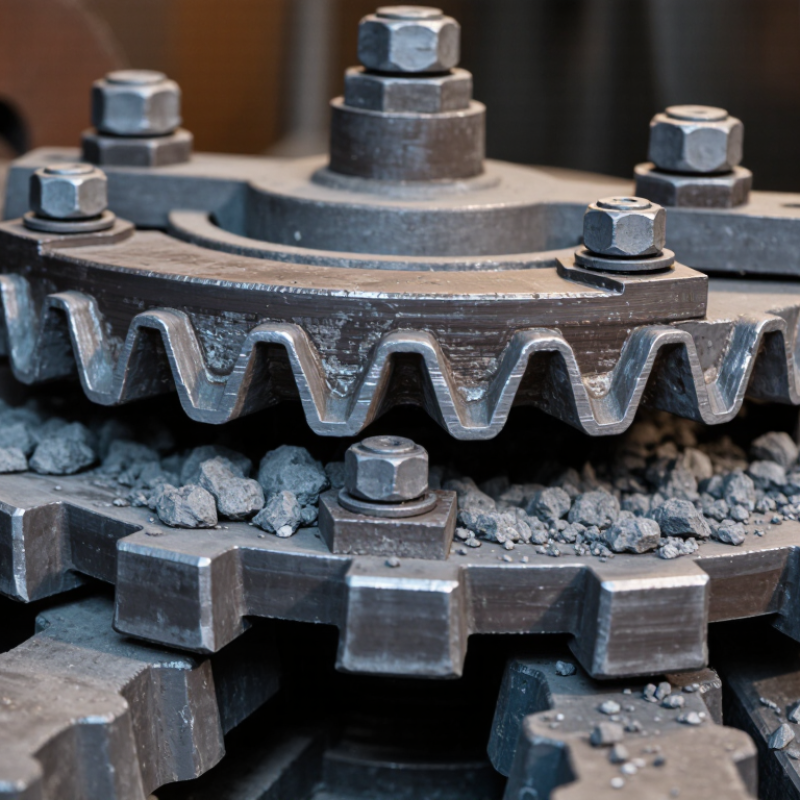
A swing jaw plate is the replaceable wear surface fixed to the movable jaw inside a jaw crusher. It faces the stationary jaw plate across the crushing chamber. As the eccentric shaft moves the swing jaw forward and backward, the plate presses feed material against the fixed plate. The material breaks through repeated compression, not cutting.
The plate is usually made from manganese steel or another impact-resistant alloy. Its working face has teeth, ribs, or a shaped profile that helps grip stone. In daily operation, I look for uneven grooves, rounded teeth, cracks, and loose securing hardware. These details often reveal poor feeding or incorrect plate seating. A plate can appear usable while its lower section is already dangerously thin.
It is not decorative.
A properly fitted swing jaw plate supports stable crushing and protects the movable jaw behind it. Its profile must match the crushing chamber and the opposite plate. Incorrect installation can create local stress, block material flow, and accelerate wear. Feed size, rock hardness, moisture, and machine settings all affect service life. Wear tells a story. However, that story is sometimes incomplete because operator habits and feed conditions change throughout a shift. Regular inspections, measured thickness checks, and careful tightening provide more reliable evidence than appearance alone. Replacement work should follow the crusher’s service procedure and be performed by trained personnel.
What Is a Swing Jaw Plate for a Jaw Crusher?
The swing jaw plate is the moving crushing surface inside a jaw crusher. The chart shows representative jaw-crusher reduction ratios from 3:1 to 6:1, calculated from a 150 mm feed size. Actual results depend on the closed-side setting, material hardness, moisture, and plate profile.
Where the Swing Jaw Plate Sits in a Jaw Crusher
A swing jaw plate is the replaceable wear surface attached to the movable jaw. It sits inside the crushing chamber, opposite the fixed jaw plate. An eccentric shaft drives the movable jaw forward and backward. The swing plate follows that motion, gripping rock against the fixed plate.
Its position is easy to picture. The plate forms one side of the chamber, with the feed opening above it and the discharge gap below. Toggle plates support the lower jaw area. When the swing jaw closes, stone is compressed near the chamber’s upper and middle zones. As it opens, crushed material drops through the bottom gap.
This location controls both crushing pressure and wear. USGS Mineral Commodity Summaries 2024 estimated U.S. crushed stone production at about 1.5 billion metric tons in 2023. That volume explains why small profile changes can affect plant output. A worn swing plate may reduce gripping action, increase recirculation, and alter product size.
Look for uneven grooves, rounded teeth, or thinning near the lower edge. Measure wear instead of trusting appearance alone. The USGS Mineral Industry Surveys also separates crushed stone output by region and use, showing how operating conditions vary widely. Hard, abrasive feed needs different inspection intervals from softer limestone.
The plate is not just a liner. It is part of the crusher’s working geometry. Yet operators sometimes overlook the mounting area. That is a mistake. Loose seating, incorrect tightening, or poor alignment can create vibration and premature failure. My practical view is less perfect: wear charts help, but direct inspection still catches what averages miss.
Common Materials and Design Features
A swing jaw plate is the replaceable surface mounted on the moving jaw of a jaw crusher. It receives repeated impact as rock enters the crushing chamber. Its material and profile directly affect wear life, product shape, and operating stability.
High-manganese steel remains common because it hardens under impact. The working surface becomes tougher while crushing hard, abrasive feed. Martensitic alloy steel can suit applications needing higher initial hardness and better resistance to sliding abrasion. Some operations use composite plates, combining a tough backing with a harder wear layer. Material choice should follow feed size, moisture, hardness, and crusher settings. There is no universal answer.
Design details matter just as much. Corrugated or toothed ribs grip stone and improve reduction, while the tooth pitch controls how material moves through the chamber. Accurate mounting holes and a properly shaped back prevent movement during crushing. Many plates can be reversed after one face wears, but this depends on the design and remaining thickness. Wear indicators help maintenance teams check risk before cracking or unexpected shutdowns.
Small details matter.
In practice, a plate may look usable while its lower section has thinned dangerously. Operators should inspect cracks, loose fasteners, uneven wear, and changes in product size. I have found that selecting a harder plate is not always better. Excessive hardness can reduce toughness under heavy impact. Feed conditions should be measured, not guessed, and installation records should be reviewed before changing the profile.
What Is a Swing Jaw Plate for a Jaw Crusher? - Common Materials and Design Features
| Dimension |
Details |
Practical Considerations |
| Definition and location |
The swing jaw plate is the replaceable wear liner attached to the movable jaw of a jaw crusher. It faces the fixed jaw plate and moves with the swing jaw to crush material in the chamber. |
It is distinct from the fixed jaw plate, although the two plates often use similar materials and complementary profiles. |
| Main function |
Its crushing face grips and compresses feed material against the fixed jaw while protecting the jaw structure from direct wear. |
Plate profile and condition affect grip, crushing action, wear distribution, and the shape of material passing through the discharge opening. |
| Common material: manganese steel |
High-manganese austenitic steel is widely used. Common compositions are approximately 11–14% manganese and 1.0–1.4% carbon; exact specifications depend on the applicable grade and standard. |
It can work-harden under repeated impact and pressure. It is often suited to tough, impact-producing crushing conditions, but needs sufficient work-hardening conditions to perform as intended. |
| Other material options |
Depending on the application, alternatives include alloyed manganese steel, martensitic steel, or composite plates with wear-resistant inserts. |
Material choice depends on feed abrasiveness, impact level, crusher design, and operating conditions. No single material is best for every application. |
| Tooth and corrugation profile |
The crushing face may have ridges, teeth, or corrugations. Profiles vary in tooth height, spacing, and shape. |
Profile selection should suit the feed size and material. A worn or unsuitable profile can reduce gripping and change the crusher’s operating behavior. |
| Plate thickness and shape |
The plate is shaped to match the swing jaw and crushing chamber. Thickness and profile are specific to the crusher model and liner design. |
There is no universal plate dimension. Replacement plates must match the machine’s specified fit, mounting arrangement, and chamber geometry. |
| Mounting and retention |
Plates are secured to the jaw using the crusher’s designed fastening and retention system, which may include bolts, wedges, or other model-specific components. |
Correct seating and secure retention are essential. Follow the crusher manufacturer’s instructions for installation and fastening. |
| Reversible designs |
Some plates are designed to be turned or reversed to use another wear surface or redistribute wear. |
Reversal is possible only when the plate’s geometry and mounting design allow it. Check the specified wear limits and installation guidance before reuse. |
| Wear and replacement |
Wear commonly develops on the crushing face and may be uneven across the plate, depending on feed distribution and operating conditions. |
Inspect the plate regularly for excessive wear, cracks, looseness, and uneven profiles. Replace it according to the crusher’s service guidance and safe maintenance procedures. |
| Selection factors |
Important factors include feed material, feed size, abrasiveness, impact, desired product, crusher model, and operating conditions. |
Use a plate profile and material specified for the application, and confirm compatibility with the crusher before installation. |
Note: Material compositions, profiles, and dimensions vary by grade and crusher design. Consult the applicable material specification and crusher documentation when selecting or replacing a swing jaw plate.
Wear, Inspection, and Replacement of the Plate
What Is a Swing Jaw Plate for a Jaw Crusher?
The swing jaw plate is the moving wear surface inside a jaw crusher. It presses feed against the fixed jaw plate. Crushing force, abrasive stone, and repeated impact gradually remove its teeth and profile. The U.S. Geological Survey’s Mineral Commodity Summaries 2024 estimated U.S. crushed-stone production at about 1.5 billion metric tons in 2023. That volume explains why small wear changes can affect plant output and maintenance costs.
Inspection should begin with the tooth profile, mounting bolts, edges, and rear seating area. Look for rounded teeth, deep grooves, cracks, loose hardware, or uneven contact. Measure plate thickness at several points, not only near the center. A visual check alone can miss dangerous thinning. It often does.
Track closed-side setting, power draw, product size, and unusual vibration. The Quarrying and Mining Safety Association recommends using inspection records to identify changing machine conditions, rather than relying on fixed replacement dates. In practice, feed hardness and moisture can alter wear rates sharply. Replace the plate when the profile no longer produces a stable product, when minimum thickness is reached, or when cracking threatens secure retention. Follow the crusher manufacturer’s approved lifting points and isolation procedures. A worn plate may still look usable, but its seating can already be compromised. Document the final measurement and the reason for replacement; that imperfect record can improve the next inspection cycle.