How to Select the Right Gyratory Crusher Parts for Your Needs?
Selecting the right Gyratory Crusher Parts is crucial for optimal operation. The global market for crusher parts continues to grow, with a projected CAGR of 5.1% from 2021 to 2026 according to industry reports. This indicates a rising demand for durable and efficient components in mining and aggregate industries.
Gyratory crushers are essential for breaking down large volumes of materials. Understanding the specific needs of your operation is vital. Components must match the crusher specifications closely. Mismatched parts can lead to inefficiencies and increased wear.
Expertise in this field is essential. Quality Gyratory Crusher Parts enhance performance and extend equipment lifespan. Manufacturers emphasize the importance of selecting correctly to avoid costly downtime. A well-informed choice can save resources and improve operational efficiency. Yet, many users struggle to find the best fit for their unique requirements. Attention to detail is key.
Understanding Gyratory Crusher Components and Their Functions
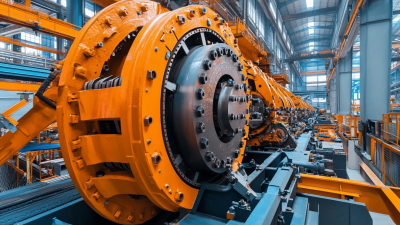
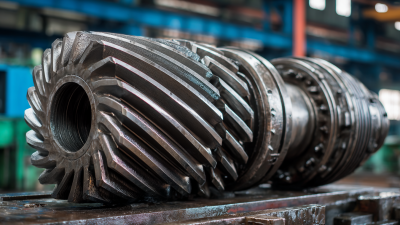
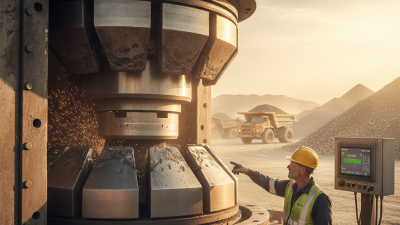
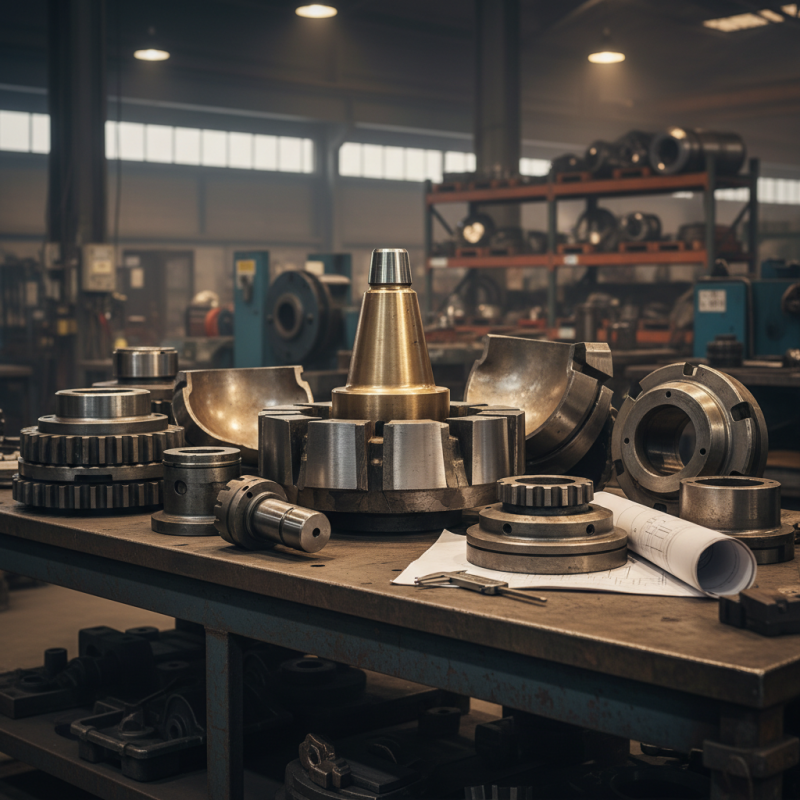
When selecting gyratory crusher parts, understanding the components is crucial. The main parts include the mantle, concave, and spider. Each part plays a vital role in crushing efficiency. The mantle crushes material against the concave, which is vital for producing smaller aggregate sizes.
Tips: Always check the compatibility of the new parts with your existing equipment. Inspect wear patterns of old parts to identify any problematic areas. This helps in ensuring that replacement parts will perform effectively.
The spider supports the crusher's upper structure. Its design can impact overall stability. A well-designed spider reduces vibrations and improves performance. However, choosing the right spider can be tricky. It requires a good balance between strength and weight.
Tips: Do not overlook the quality of materials used in parts. High-quality materials lead to longer service life and better performance. Regular maintenance of components can also prolong their lifespan and reduce unexpected downtime.
How to Select the Right Gyratory Crusher Parts for Your Needs?
| Component |
Material |
Function |
Compatibility |
| Mantle |
High Manganese Steel |
Crushes the material |
Gyratory Crushers |
| Concave |
Alloy Steel |
Holds the material for crushing |
Gyratory Crushers |
| Spider |
Cast Iron |
Supports the mantle and other components |
Gyratory Crushers |
| Hydraulic System |
Hydraulic Fluid |
Adjusts the gap and controls the pressure |
Gyratory Crushers |
| Liner |
Chrome-Moly Steel |
Protects the frame from wear |
Gyratory Crushers |
Factors to Consider When Choosing Gyratory Crusher Parts
Choosing the right gyratory crusher parts is critical for optimal performance. One significant factor to consider is the material quality of the components. High-quality materials, like alloy steels, can enhance durability and reduce wear over time. Look for parts that can withstand high impact and compressive forces. Understanding the material properties will help you make informed decisions.
Another important factor is compatibility. Ensure that the parts you select fit seamlessly with your existing machinery. Misalignment can lead to inefficiencies and increased operational costs. It's crucial to evaluate dimensions and specifications carefully. Additionally, the maintenance requirements of the parts you choose should not be overlooked. Some parts may require more frequent adjustments or replacements, impacting downtime and productivity.
Finally, the supplier's reputation plays a vital role. Reliable suppliers often have proven experience in the field. Look for reviews and testimonials that reflect their expertise. A trustworthy supplier should provide clear information about warranty and after-sales support. Making decisions based on these factors can lead to better performance from your gyratory crusher.
Evaluating Material Compatibility for Crusher Parts Selection
Selecting the right parts for a gyratory crusher hinges on material compatibility. Choosing materials that withstand high impact and wear is critical. Many operators overlook the specifics of material properties. Each component must match the crushing environment.
Consider the hardness of the materials being processed. Using parts that are too soft can lead to premature wear. Conversely, overly hard materials can create unnecessary stress on the equipment. A balance is essential. Evaluate local geology when determining the best materials for your crusher parts.
In this process, involve your team. Discuss challenges faced with current parts. Documenting experiences may reveal patterns that enhance future selections. Regularly review wear rates to assess compatibility. This reflection can guide continuous improvement in parts selection. Ensure that every decision is backed by reliable data.
Maintenance and Durability Aspects in Gyratory Crusher Parts
Selecting the right gyratory crusher parts hinges on understanding their maintenance and durability. Gyratory crushers endure demanding conditions. Their parts must withstand high forces, abrasive materials, and fluctuating operational climates. Regular inspections and timely replacements are crucial for optimal performance.
Tips: Inspect wear patterns regularly. This helps identify parts needing replacement. Also, consider factors like material composition and design. These affect durability and maintenance frequency.
Choosing quality parts means fewer breakdowns. Look for components made from high-strength materials. Ensure they match your working conditions. Though cheaper alternatives may seem appealing, they often lead to higher long-term costs.
Maintenance routines can be simple yet effective. Train your team on proper handling procedures. Neglecting these routines can lead to unexpected failures. Continuous education on maintenance practices enhances overall equipment reliability. Always reflect on past maintenance decisions and learn from them. This insight improves future choices.
Durability and Maintenance Aspects of Gyratory Crusher Parts
Cost vs. Quality: Selecting the Best Gyratory Crusher Parts for Budget
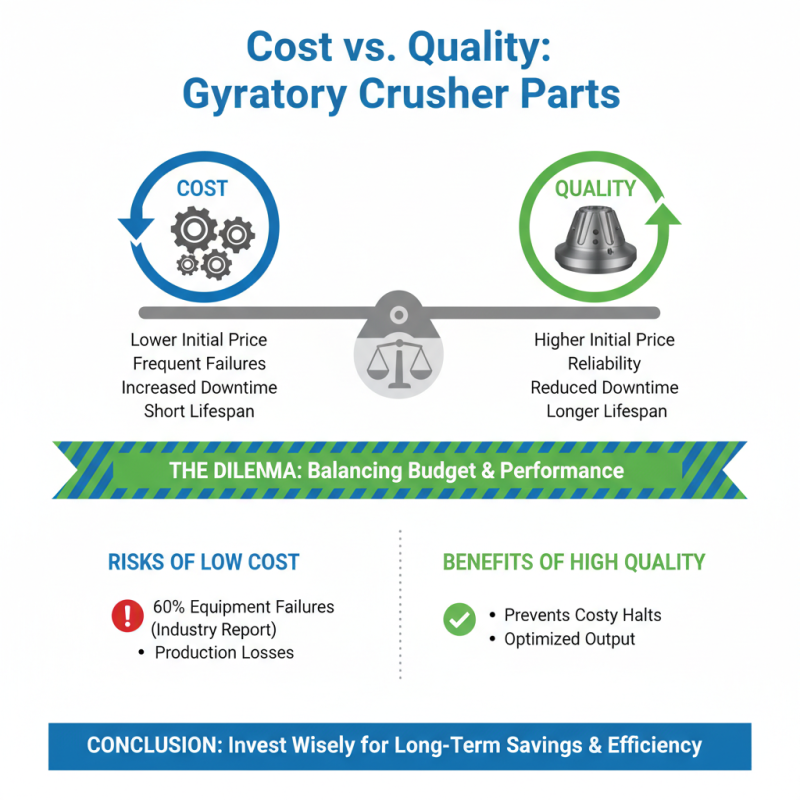
Selecting the right gyratory crusher parts hinges on balancing cost and quality. Many operators face this dilemma. According to a recent industry report, over 60% of companies experience equipment failures due to substandard parts. Investing in high-quality components can prevent costly downtime. However, the initial price for premium parts can be daunting.
Documentation from several industry experts suggests that top-grade parts may carry a higher upfront cost, but this investment often pays off over time. For instance, crusher parts with enhanced durability can last 30% longer than their cheaper counterparts. This longevity reduces replacement frequency and maintenance expenses.
Yet, not every high-priced option guarantees outstanding performance. Careful research is essential. An industry analysis revealed that 45% of users do not receive adequate support with their premium purchases. This lack of after-sales service can lead to further complications. Evaluating both quality and the reputation of suppliers is vital. Balancing cost and performance requires due diligence from operators.