What is a Prefab Container House and How Does It Work?
The Prefab Container House movement is reshaping the housing industry. With rising urbanization and housing shortages, these structures offer innovative solutions. According to a recent report by Statista, the market for prefab homes is expected to reach $14 billion by 2025.
Industry expert John Smith, a notable architect in sustainable design, stated, “Prefab Container Houses provide flexibility and efficiency in modern living.” Many individuals and businesses are now turning to these homes for their affordability and quick construction times. Designs range from basic units to luxurious multi-container configurations. However, not all aspects are perfect.
Consumers often face challenges in zoning regulations and financing options. Sustainable materials are essential, yet sourcing can be an issue. More awareness is needed about integrated technology for energy efficiency. As the demand for innovative housing solutions grows, the Prefab Container House remains a compelling option worthy of exploration and reflection.
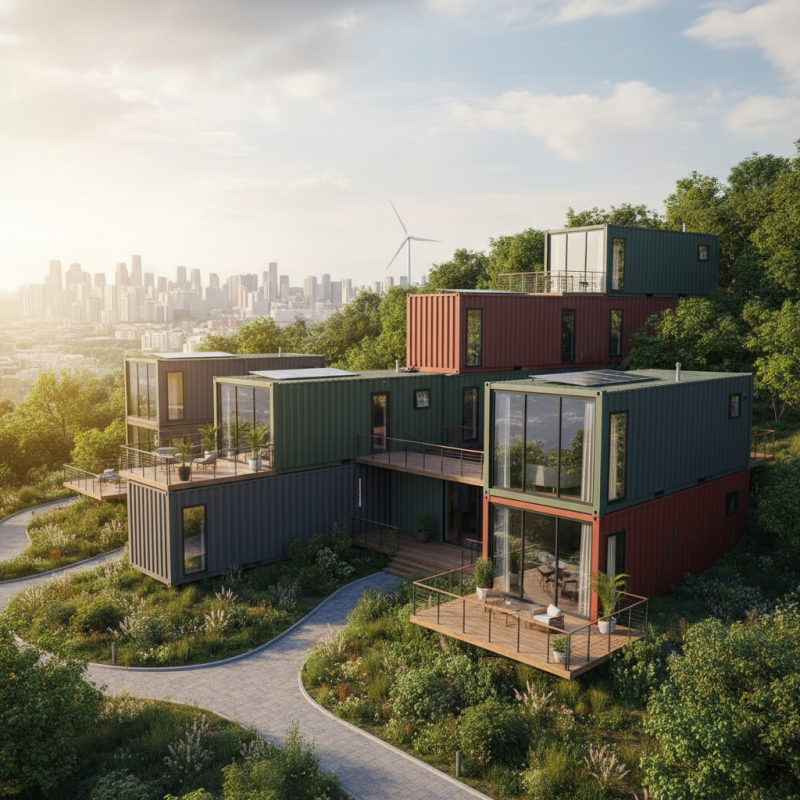
What is a Prefab Container House?
A prefab container house is an innovative housing solution made from shipping containers. These containers are repurposed and transformed into livable spaces. They offer a unique blend of sustainability, efficiency, and modern design. According to industry reports, the global modular construction market could reach $157 billion by 2023, partly due to the increasing popularity of prefab homes.
Container houses are often praised for their eco-friendliness. They use recycled materials and consume less energy during construction. However, not all designs maximize insulation or energy efficiency. Some homeowners face issues with temperature regulation, leading to discomfort. This highlights the importance of thoughtful design and proper planning in the building process.
Tips: When choosing a prefab container, research local zoning laws. Each area has different regulations regarding container homes. Look into insulation options. Quality materials can make a significant difference in comfort. Prioritize good ventilation to prevent moisture buildup.
While prefab container houses can be cost-effective, they are not always the answer for everyone. Some might find limited space challenging. Others may struggle with financing options. It’s essential to weigh pros and cons before diving in.
The Components of a Prefab Container House
Prefab container houses have gained popularity due to their unique components and efficient design. The core structure is typically made from shipping containers, known for their durability and portability. These containers are insulated to enhance energy efficiency. The use of high-quality insulation materials can increase energy savings by up to 20%, making them an excellent choice for various climates.
Inside, prefab container houses usually consist of a bathroom, kitchen area, and living space. These elements are often modular, allowing for flexible layouts. Some designs incorporate eco-friendly materials. While they are attractive for quick construction, not all designs maximize space effectively. Poor layout can lead to cramped living conditions.
**Tips:** When considering a prefab container house, assess the insulation quality. Poor insulation can lead to higher energy costs. Look for designs that offer open layouts. They create a feeling of spaciousness, even in small areas.
Overall, prefab container houses offer innovative solutions. However, potential buyers should weigh their options. Not every design may meet individual needs or tastes. Small details, like window placements or ceiling heights, can significantly affect livability.
What is a Prefab Container House and How Does It Work? - The Components of a Prefab Container House
| Component | Description | Material Used | Function |
| Container Structure | The main body of the prefab house, providing durability and space. | Steel | Structural support |
| Insulation | Thermal insulation that maintains internal temperature. | Foam, fiberglass | Energy efficiency |
| Flooring | Surface covering for walking and other activities. | Plywood, vinyl | Comfort and protection |
| Windows | Glass features for natural light and ventilation. | Glass, aluminum frames | Light and airflow |
| Roof | Top covering that protects from elements. | Metal or shingles | Weather protection |
| Plumbing | Water supply and waste removal system. | PVC pipes | Water management |
| Electrical System | Wiring and connections for power supply. | Copper wiring | Lighting and appliances |
How Prefab Container Houses are Manufactured
Prefab container houses are revolutionizing the housing industry by offering sustainable and efficient solutions. The manufacturing process begins with sourcing used shipping containers, which are then inspected for structural integrity. According to a report by the International Maritime Organization, around 97 million shipping containers are in use, providing a plentiful supply for conversion into livable spaces.
Once selected, containers are modified to include insulation and electrical systems. Specialized machinery cuts windows and doors, allowing for a customizable layout. A survey by the Modular Building Institute indicates that prefab construction can reduce energy consumption by 30% compared to traditional methods. This is a significant advantage, given the global push for energy-efficient housing.
While prefab container houses are cost-effective, challenges remain. The transportation costs can be high, depending on distance. Additionally, local zoning laws may complicate installation. Some buyers report issues with design limitations. The craftsmanship can vary, leading to potential discrepancies in quality. These factors necessitate thorough research and planning before proceeding with a purchase.
The Benefits of Living in a Prefab Container House
Prefab container houses have gained popularity for several reasons. They provide an affordable housing option that can suit various lifestyles. These homes are made from shipping containers, which are often repurposed. This sustainable approach reduces waste and minimizes environmental impact. People can customize them to fit their needs and personal styles.
Living in a prefab container house offers unique advantages. These homes are typically quick to assemble, often completed in just a few weeks. Many find joy in their minimalist design. This encourages a clutter-free lifestyle. However, some may struggle with limited space. Not everyone adapts easily to a smaller living area. Additionally, insulation and climate control can be challenging in container homes.
Community aspects are also noteworthy. Many people choose to live in these homes for a sense of belonging. They often inhabit eco-friendly neighborhoods. Yet, there can be a sense of isolation too. Not everyone feels connected, especially if they move from a traditional house. Balancing these pros and cons is essential for a fulfilling living experience in a prefab container house.
The Installation Process of a Prefab Container House
The installation of a prefab container house is a fascinating process that combines efficiency with modern design. These structures are often made from repurposed shipping containers, which makes them sustainable and cost-effective. According to a report by the Container Housing Association, the global market for container homes is projected to grow by 20% annually, highlighting their increasing popularity.
The installation typically begins with site preparation. The ground must be leveled and properly assessed for drainage. This step is crucial to prevent future flooding or settling issues. Following this, containers are delivered and placed using cranes. Each container is often modified on-site to accommodate windows, doors, and insulation. While this seems straightforward, miscalculations can lead to structural weaknesses, emphasizing the importance of skilled craftsmanship during this stage.
Utility connections, such as electricity and plumbing, require careful planning. Specialists should handle these installations to ensure compliance with local regulations. Inadequate connections can result in costly repairs later. After interior finishes, the house is ready for occupancy, but some homeowners might find they need more electrical outlets or better ventilation. This realization can lead to further adjustments, reflecting the dynamic nature of prefab container housing.



