What Are the Key Cone Crusher Components in 2026?
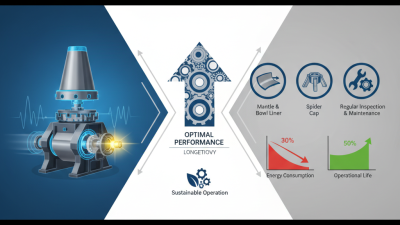
In 2026, the efficiency of construction and mining equipment continues to rise. The cone crusher plays a vital role in this sector. It is crucial for various aggregates and minerals. Cone Crusher Components are its heart, ensuring optimal performance and durability.
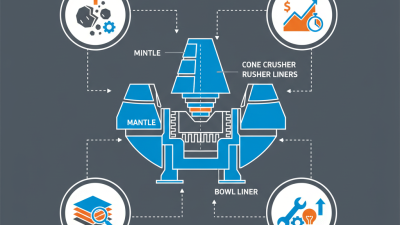
Recent industry reports highlight a 15% rise in demand for cone crushers. This increase is driven by urbanization and infrastructural developments. Key components include the bowl liners, mantles, and eccentric shafts. Each part needs to withstand immense pressure during operation.
However, challenges persist. Inconsistent quality of materials can lead to failures. Maintenance practices are often overlooked, resulting in downtime. Industry surveys reveal 30% of users suffer from unplanned outages. Addressing these issues is essential for future growth in the cone crusher market. The focus on high-quality components will shape the industry's trajectory moving forward.
Key Components of Cone Crushers in 2026
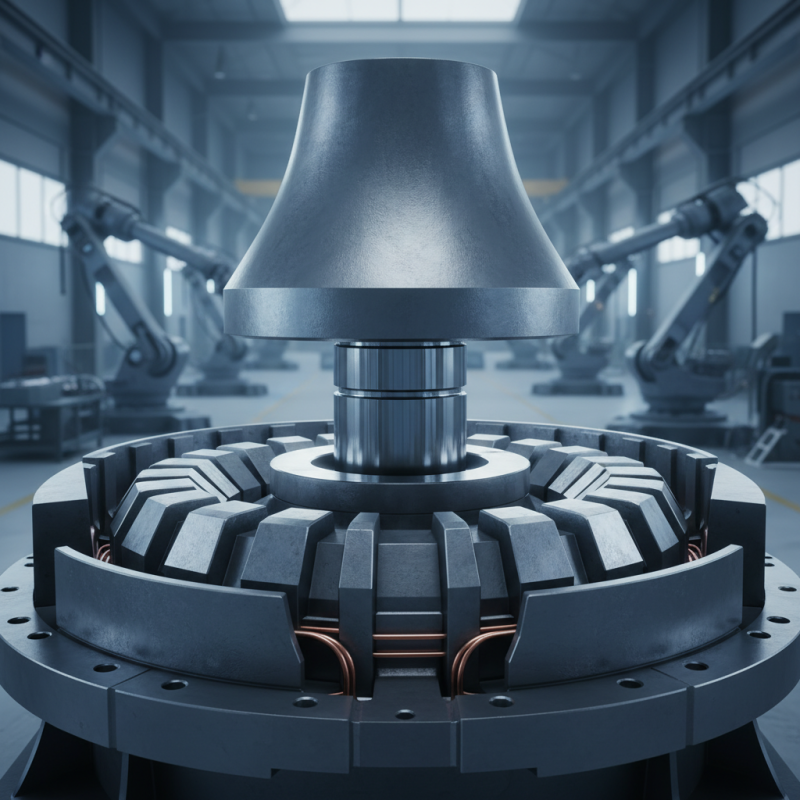
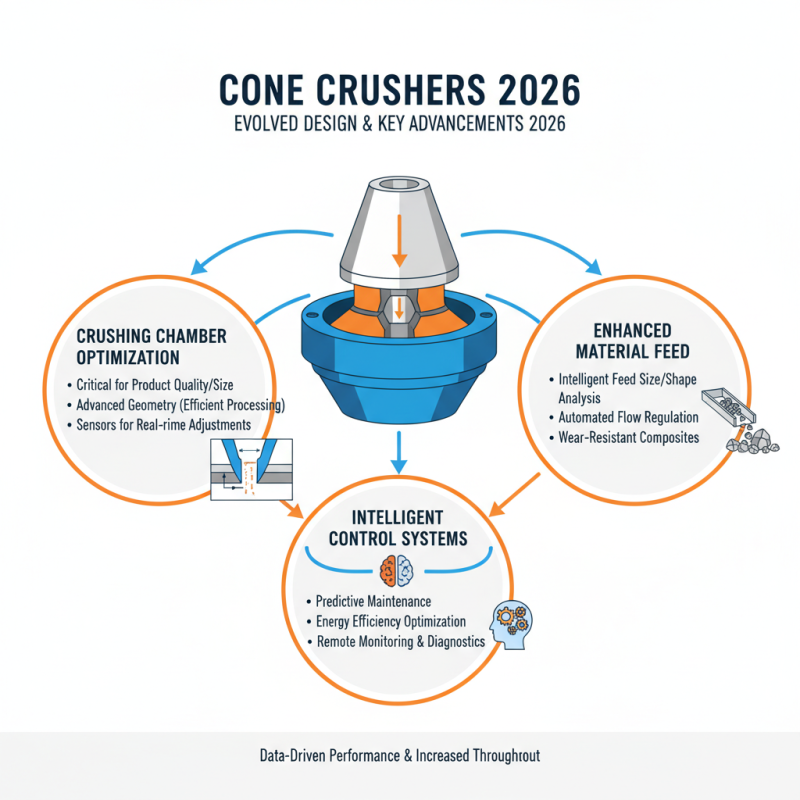
In 2026, the design of cone crushers has evolved. Key components have seen significant advancements. The crushing chamber remains critical. It directly influences the product's quality and size. Proper geometry ensures efficient material processing. Factors like feed size and shape impact performance here.
Another essential part is the mantle. It plays a role in crushing the material. The mantle's design must align with the chamber. Misalignment can lead to inefficient crushing. Operational downtime may increase due to component wear. Regular maintenance is necessary but often overlooked.
Hydraulic systems are pivotal too. They adjust the crusher's settings automatically. Yet, reliance on technology can be risky. Sometimes, sensor errors occur. Understanding these systems is essential to avoid failures. Overall, staying informed about these components is vital for optimizing cone crusher performance.
Understanding the Functionality of Each Cone Crusher Part
Understanding the functionality of each cone crusher part is crucial in 2026. Cone crushers rely on various components to operate efficiently. The main parts include the cone, bowl, and mantle. Each plays a role in the crushing process.
The cone is the heart of the machine. It rotates and crushes materials against the bowl. The bowl holds the material in place. The mantle acts as the surface that makes contact with the material. A well-designed cone ensures effective crushing, but wear can impact performance.
Another important part is the drive system. It transfers power to the cone. Issues with the drive can lead to unexpected downtime. Regular maintenance is necessary to keep everything in check. The lubrication system is also vital. It reduces friction and keeps parts cool. Neglecting it can lead to overheating and failure. Understanding these components helps optimize performance and efficiency.
Innovations in Cone Crusher Technology by 2026
The future of cone crushers in 2026 promises exciting innovations. One key area is automation. Reports indicate that automation can increase efficiency by 30%. With integrated AI, machines can predict failures. This technology minimizes downtime. Enhanced monitoring systems will lead to smarter operations.
Another aspect is the material evolution. New high-strength alloys will improve wear resistance. This change can extend component life by 40%. Sustainable practices are also gaining ground. Recycling materials will help reduce operational costs. Many companies are looking to optimize energy consumption. Reports show that energy costs account for nearly 25% of operational expenses.
Tips: Focus on maintaining your equipment. Regular checks can prevent unexpected failures. Embrace new technologies, but also assess their ROI. Innovations can be costly initially. Yet, they often lead to long-term savings.
Material Composition and Durability of Cone Crusher Components
The material composition of cone crusher components is essential for their performance. Hard minerals often lead the list of preferred materials. Common choices include high carbon steel and manganese alloys. These materials provide increased strength and wear resistance.
Durability is another critical factor. Over time, components can wear down, leading to inefficiencies. Regular assessments are crucial. Operators must inspect for signs of fatigue and wear. Some components may last longer than others, but all require attention.
Recycling old components can sometimes pose challenges. Not every part can be reused efficiently. Finding the right balance between new and recycled material is key. This is an area that often requires reflection and adjustment. Durability plays a significant role in productivity, making it vital to focus on the right materials. Selecting a durable composition is not just an idea; it's a necessity for long-term success.
Key Cone Crusher Components: Material Composition and Durability in 2026
Future Trends in Cone Crusher Design and Manufacturing
In 2026, the design and manufacturing of cone crushers are set to evolve significantly. Industry reports indicate a shift towards more sustainable practices. With the global market for mining and construction projected to reach $450 billion by 2025, innovation is essential. Companies are investing in technologies that enhance energy efficiency. The focus is on reducing waste and improving lifecycle management.
New materials are emerging as a trend. Lightweight alloys and advanced composites could replace traditional steel. This change may also impact performance and durability. According to a recent study, crushers made with these materials can reduce energy consumption by up to 30%. However, the industry faces challenges. Engineering these materials requires expertise and can be costly. Additionally, some manufacturers may struggle to adapt to these changes quickly.
Automation is another key area of development. The use of AI in monitoring and controlling operations could improve productivity. Reports suggest that intelligent systems might increase efficiency by 20%. Yet, there remain concerns about over-reliance on technology. Proper training for operators is crucial. Companies must also be wary of cybersecurity risks associated with automated systems. These factors will shape the future of cone crushers in 2026.