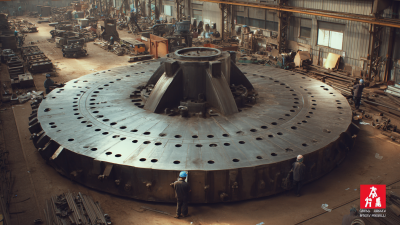
What is Gyratory Crusher Wear Parts and Why Are They Important?
Gyratory Crusher Wear Parts play a crucial role in mining and aggregate industries. These components endure significant wear, impacting the efficiency and lifespan of the machinery. Understanding their importance is essential for maintaining consistent performance.
Proper wear parts are vital for optimizing crushing operations. They affect productivity, throughput, and operational costs. Using high-quality materials can minimize the need for frequent replacements, reducing downtime. It’s a complex balance, as inferior parts can lead to failures that are costly to repair.
However, not all wear parts are created equal. Some might not meet necessary standards, risking equipment integrity. Regular inspections and adjustments help ensure that the right parts are in place. Over time, organizations must reflect on whether their wear parts are truly suited for their operational needs.
What Are Gyratory Crushers and Their Function in Industry?
Gyratory crushers play a vital role in several industries, particularly in mining and construction. Their unique design allows for the efficient crushing of large volumes of rock. These crushers feature a conical shape, which helps in the reduction of materials from large sizes to smaller, manageable pieces. The crushing process occurs between a rotating spindle and a stationary outer wall. This setup ensures optimal crushing performance.
The function of gyratory crushers extends beyond mere material size reduction. They also enhance productivity and workflow by allowing continuous operation. This design minimizes downtime, allowing operators to maintain a steady supply of crushed material. However, maintenance is crucial. Operators must regularly inspect gyratory crusher wear parts, such as liners and mantles, to ensure optimal performance. Neglecting wear parts can lead to inefficient operations and costly repairs.
Over time, even the best-designed crushers may experience issues. Parts can wear down, leading to reduced efficiency. Operators should be vigilant and proactive in identifying potential wear. Regular monitoring prevents unexpected failures and improves the longevity of the equipment. While gyratory crushers are robust, understanding their challenges is equally important. This awareness can lead to better maintenance practices and enhanced operational effectiveness.
Understanding Gyratory Crusher Wear Parts: Definition and Types
Gyratory crusher wear parts are crucial for optimal performance in crushing operations. These parts endure significant stress and wear during the crushing process. Understanding them helps in maintenance and productivity.
Wear parts include mantles, concaves, and other components. The mantle is a moving part that crushes material against the concave. Both parts need to fit correctly to achieve efficient crushing. Choosing the right material for wear parts can impact their lifespan and performance dramatically.
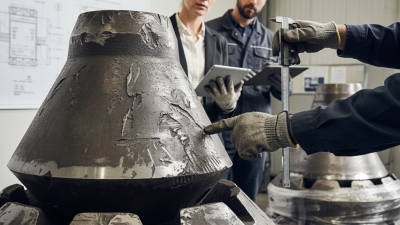
Tips: Regular inspections can identify wear patterns early. This can reduce downtime and enhance efficiency. Always consult technical specifications when replacing parts. Testing new materials may offer better wear resistance. This approach can lead to improved crusher reliability and performance.
Gyratory Crusher Wear Parts: Types and Usage
The Importance of Gyratory Crusher Wear Parts in Equipment Longevity
Gyratory crusher wear parts play a vital role in the machinery's performance and longevity. These components, including mantles and concaves, experience significant abrasion during operation. According to industry studies, wear parts can account for as much as 30% of total maintenance costs. This highlights their importance in overall equipment management.
Properly maintained wear parts ensure the crusher operates efficiently, leading to higher productivity and lower downtime. When wear parts degrade, performance suffers. Production rates can drop by 20-30% if wear parts are overlooked. This not only affects output but can also lead to costly repairs and replacements down the line.
Investing in high-quality wear parts is critical. Regular inspections can help identify signs of wear early on, allowing for timely replacements. Operators often report that proactive maintenance extends equipment life by up to 40%. This not only improves operational efficiency but also reduces unexpected failures.
What is Gyratory Crusher Wear Parts and Why Are They Important?
| Wear Part |
Function |
Material Used |
Lifespan (Hours) |
Importance |
| Mantle |
Crushing material |
High-carbon steel |
800 - 1200 |
Critical for effective crushing |
| Concave |
Holds material for crushing |
Manganese steel |
700 - 1000 |
Ensures optimal crushing angles |
| Spider Cap |
Protects spider assembly |
Composite steel |
500 - 800 |
Prolongs life of other components |
| Liner |
Protects the crusher body |
Wear-resistant alloy |
600 - 900 |
Vital for equipment longevity |
Factors Influencing Gyratory Crusher Wear Parts Performance and Durability
Gyratory crusher wear parts play a critical role in the efficiency of mining operations. Their performance and durability can significantly impact production. Several factors influence how long these parts last and how effectively they operate. Material selection is paramount. Quality alloys can enhance impact resistance, but sourcing them consistently can be challenging.
Operational conditions are another critical aspect. Hardness of the material being crushed affects wear levels. For instance, harder materials can wear components five times faster than softer ones. Data from industry reports suggest routine maintenance can increase parts' lifespan by up to 30%. Regular inspections often reveal cracks or wear that, if left unchecked, lead to sudden failures, resulting in costly downtimes.
Design innovations are also worth noting. Advanced wear part geometries can improve the material flow and reduce stress concentrations. In practice, however, many operators overlook these advancements due to high upfront costs. The interplay of these factors reveals that optimizing wear parts is both a science and an art, requiring deep understanding and careful management. Continuous improvement in this area can lead to substantial gains in operational efficiency.
Best Practices for Maintaining and Replacing Gyratory Crusher Wear Parts
Maintaining and replacing gyratory crusher wear parts is essential for operational efficiency. The wear parts, like mantles and concaves, endure significant stress and wear. Regular inspection can detect early signs of wear, helping prevent costly downtimes.
Tips: Conduct inspections every 250-500 hours of operation. Look for uneven wear patterns. They can indicate problems with the crusher's operation. Ensure all components are aligned correctly during installation. Misalignment can lead to accelerated wear and reduced efficiency.
Replacing wear parts on time maximizes performance. Delaying replacement can lead to further damage, increasing maintenance costs. Track wear rates closely. If parts are worn beyond recommended limits, replace them immediately. It’s crucial to use quality materials for replacements. Often, following best installation practices can mitigate common issues. Always follow the manufacturer’s recommendations, but don’t hesitate to adapt based on operational observations.