Why Are Gyratory Crusher Wear Parts Essential for Your Operations?
Gyratory crushers play a pivotal role in mining and aggregate industries. These machines heavily rely on robust wear parts. According to Dr. John Smith, an expert in mineral processing, "The longevity of gyratory crushers hinges on quality wear parts." This statement highlights the critical importance of Gyratory Crusher Wear Parts.
The efficiency of your operation is directly linked to these components. High-quality wear parts reduce downtime. They ensure consistent performance over time. When wear parts are neglected, the entire process can falter. Maintenance must be a priority. Investing in quality parts leads to better productivity.
It's essential to select reputable manufacturers. Failing to do so can result in premature wear. Inconsistent part quality can disrupt operations. Thus, understanding the role of Gyratory Crusher Wear Parts is crucial for sustainable success. Regular assessment and replacement are necessary for optimal function.
Understanding the Functionality of Gyratory Crushers in Mining Operations
Gyratory crushers play a pivotal role in mining operations. They are designed to handle large volumes of rock, breaking it down into manageable sizes for processing. According to industry reports, gyratory crushers can achieve a throughput of up to 3,500 tons per hour, making them essential for high-capacity mining. Their design allows for efficient crushing, ensuring minimal downtime during operations.
Tip: Regular maintenance of wear parts can significantly extend the lifespan of your equipment. This includes checking the mantle and concave liners, which are critical in reducing wear and tear. Failure to maintain these parts can lead to unexpected breakdowns and costly delays.
Understanding how gyratory crushers function reveals their complexity. They utilize a conical design, where one cone rotates within another. This generates the necessary compressive force to crush materials. However, as wear parts degrade, their effectiveness diminishes. Reports indicate that worn components can result in a 15% reduction in throughput efficiency. Hence, monitoring wear is crucial for operational success.
Tip: Implement a wear monitoring system. This will help identify when parts need replacement, preventing unplanned downtime. Investing in data analytics for monitoring may seem complex, but it pays off in optimizing performance and reliability.
Key Components of Gyratory Crusher Wear Parts and Their Importance
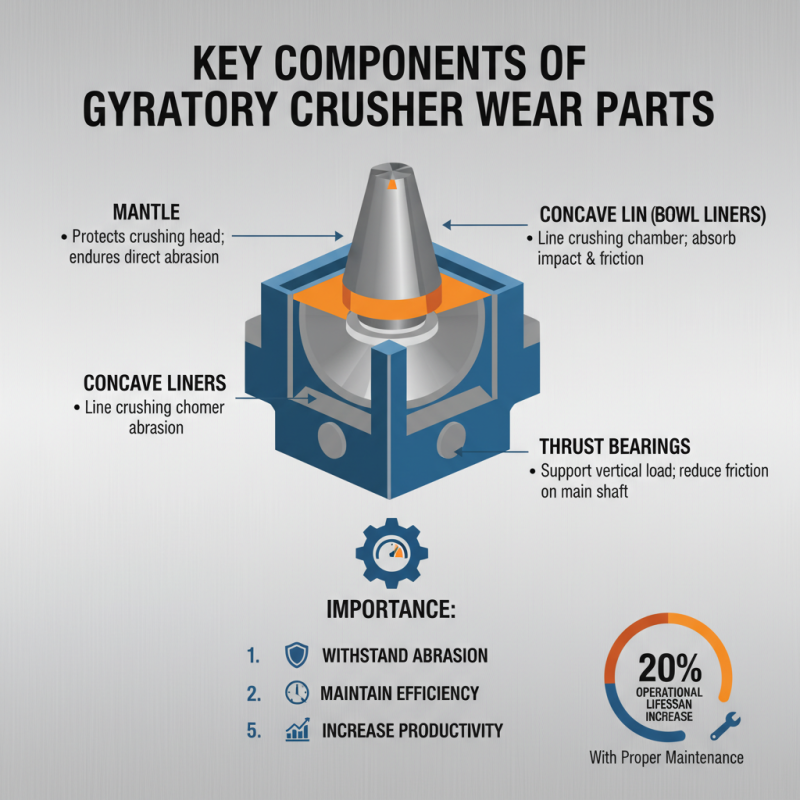
Gyratory crushers are vital for numerous industries, especially in mineral processing and aggregate production. Their wear parts, such as liners, mantles, and thrust bearings, play a crucial role in maintaining efficiency and productivity. The primary function of wear parts is to withstand the abrasive forces involved in crushing materials. Reports indicate that proper maintenance of these components can lead to a 20% increase in operational lifespan.
Liners and mantles, made from high-quality alloys, are designed to endure extreme conditions. Their significance cannot be understated, as these parts directly affect the output and energy consumption of the crusher. In fact, a study noted that well-maintained wear parts lead to a reduction in downtime by up to 30%. This highlights the importance of regular inspection and replacement of these components.
Tip: Regularly monitoring wear and tear can save costs. Assess wear patterns early to avoid unexpected failures. Operators should maintain a data log of wear part conditions for better decision-making.
Choosing the right materials for wear parts can be challenging. Options vary from manganese steel to ceramic composites. Each material has its benefits and drawbacks. Understanding the specific application is crucial. Not all options may suit your specific crushing environment.
Common Types of Wear Parts and Their Roles in Crusher Efficiency
Gyratory crushers play a vital role in the aggregates and mining industries. Their efficiency largely depends on the condition of wear parts. These components, often overlooked, are crucial for maintaining optimal crusher performance. Each type has a specific role in the overall operation.
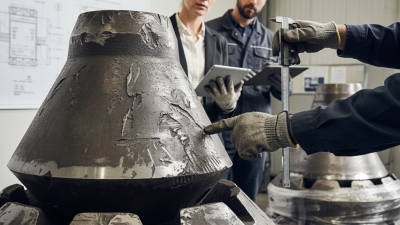
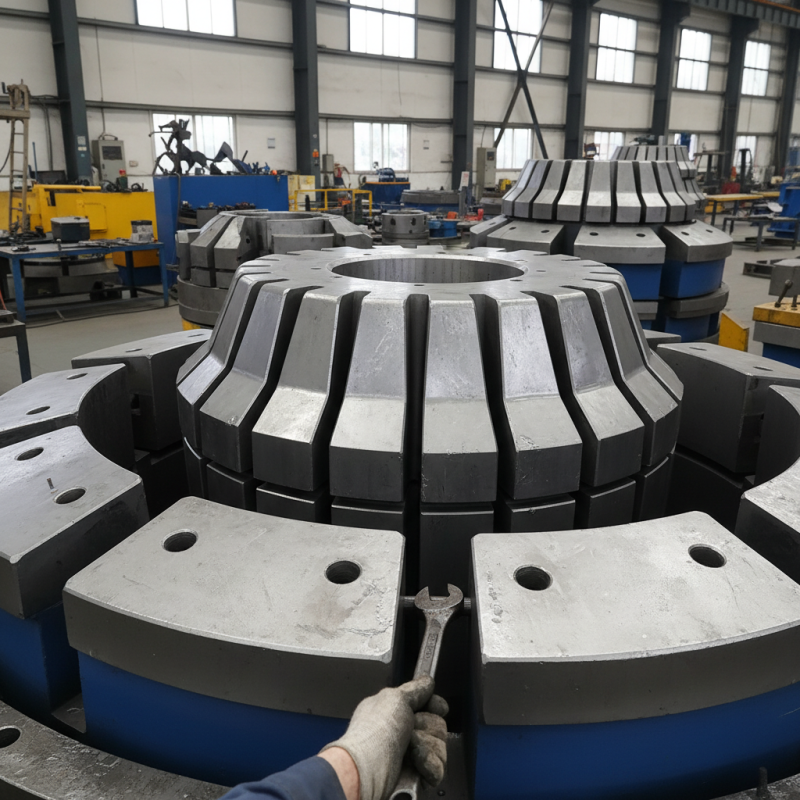
Common wear parts include mantles and concaves. The mantle is a crucial piece that bears the crushing force. It needs to withstand heavy impacts and abrasion. Over time, it wears out and affects the crushing efficiency. Similarly, the concave liners line the inside of the crusher, providing a surface against which material is crushed. Their design affects how well the material breaks down. If either part is worn, the operational efficiency drops significantly.
Another essential part is the spider bushing. It supports the mantle and enables smooth movement. If the bushing becomes worn, it can cause improper alignment. This misalignment may lead to increased wear on other components. Therefore, regularly monitoring these parts ensures productivity and reduces unplanned downtime. Without proper attention to wear parts, operations can face unexpected challenges and costs.
Factors Affecting the Longevity of Gyratory Crusher Wear Parts
Gyratory crusher wear parts play a critical role in mining and aggregate industries. Their longevity directly impacts operational efficiency. Studies show that wear parts can cost operations between 30% to 50% of total maintenance expenses. Proper management of these components is crucial.
Several factors influence the lifespan of gyratory crusher wear parts. Material selection and design are pivotal. High-quality alloys enhance durability. For instance, chrome-molybdenum steel shows better wear resistance compared to standard steel. Field reports indicate that parts made from advanced materials can last up to 30% longer.
Operational practices are equally significant. Maintaining appropriate settings prevents excessive wear. Overloading the crusher not only shortens component life but can also lead to catastrophic failures. Regular inspections and maintenance routines identify wear patterns early. Operators often overlook this, leading to unexpected downtime and increased costs. Enthusiastic attention to detail can improve the economics of operations and the effectiveness of wear parts.
Factors Affecting the Longevity of Gyratory Crusher Wear Parts
Best Practices for Maintaining Gyratory Crusher Wear Parts for Optimal Performance
Maintaining gyratory crusher wear parts is critical for optimal performance. Properly functioning wear parts ensure that the equipment operates efficiently. In fact, a study by the World Steel Association states that well-maintained equipment can increase productivity by up to 25%. Regular inspections can identify wear issues before they escalate, reducing unexpected downtime.
One essential practice is to monitor the wear rates of your parts consistently. Industry reports highlight that wear parts should ideally be replaced before they reach 50% wear. This proactive approach helps maintain crushing efficiency and product quality. Additionally, using advanced materials can enhance durability. A recent analysis revealed that adopting high-performance alloys can extend wear part life by 30%.
Operators must also consider the environment in which the crusher operates. Crushing hard, abrasive materials accelerates wear. Such conditions necessitate more frequent checks and possibly more frequent part replacements. Training staff on wear part management can significantly improve maintenance outcomes. However, many operations still overlook this critical aspect, reflecting a gap in operational discipline.