2025 Guide: How to Choose the Right Cone Crusher for Your Needs
In the ever-evolving world of aggregate and mining industries, choosing the right Cone Crusher is pivotal for operational efficiency and production effectiveness. According to a report by Grand View Research, the global cone crusher market is expected to reach USD 2.4 billion by 2025, driven by rising demand for construction aggregates and an increased focus on minimizing operational costs. The right selection can significantly impact your production capabilities, throughput, and overall profitability.
John Doe, a leading expert in the crushing equipment sector, emphasizes the importance of this decision: "Investing in the right Cone Crusher not only enhances productivity but also ensures a sustainable operation in the long run." Understanding the key factors such as crushing capacity, size, and material characteristics are crucial to make an informed choice that aligns with your specific requirements. As the industry trends shift towards more environmentally responsible practices, the demand for efficient Cone Crushers that can optimize resource utilization continues to grow, making it essential for businesses to strategize effectively in this competitive landscape.
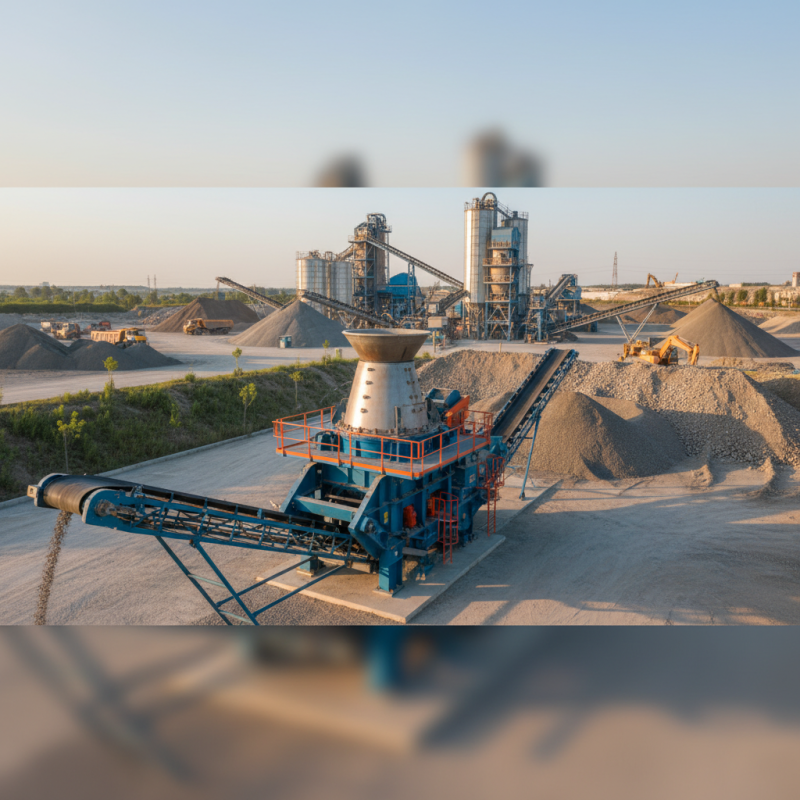
Understanding the Different Types of Cone Crushers Available in 2025
In 2025, selecting the right cone crusher requires a comprehensive understanding of the various types available on the market. Primarily, cone crushers can be classified into two main categories: standard and short-head models. Standard cone crushers are typically utilized for secondary or tertiary crushing, offering a high feed size and producing a coarser output. In contrast, short-head cone crushers are designed to produce finer aggregate materials, making them ideal for applications where a reduced particle size is essential.
Another significant distinction among cone crushers involves their operating mechanism, which includes hydraulic and spring configurations. Hydraulic cone crushers are equipped with advanced technology that allows for automatic adjustment of the discharge settings, enhancing efficiency and reducing maintenance times. Meanwhile, spring cone crushers, though simpler in design, provide robustness and reliability, which can be valuable in certain crushing environments. Understanding these differences is crucial for industries aiming to optimize their crushing processes and achieve specific material requirements in 2025.
Key Factors to Consider When Selecting a Cone Crusher
When selecting a cone crusher for your operations, several key factors need to be carefully considered to ensure optimal performance and efficiency. One critical aspect is the size of the feed opening, which has a direct correlation with the material size you intend to process. According to a recent industry analysis, optimal feed size can lead to a 10-20% increase in crusher efficiency, significantly impacting production rates and overall operational costs.
Another essential consideration is the throughput capacity, measured in tons per hour (TPH). Different applications demand varying levels of productivity; for example, a secondary cone crusher might require a throughput of 200-300 TPH, while a tertiary crusher may only need 50-150 TPH. Understanding your production requirements and matching them with the crusher's capacity is vital to preventing bottlenecks and achieving a smoother operational flow.
Additionally, the material's hardness and abrasiveness should influence your selection. According to the latest data from industry reports, crushers are often rated based on the material they can efficiently handle. For instance, softer materials may require less robust equipment, while harder, more abrasive materials necessitate heavier, more durable construction. By considering these factors — feed size, throughput, and material characteristics — you can make an informed decision that aligns with your specific operational needs, ultimately enhancing productivity and cost-effectiveness.
Evaluating Your Crushing Requirements and Application Needs
When choosing the right cone crusher for your specific application, it is crucial to accurately evaluate your crushing requirements. Understanding the material you will be processing is the first step in this evaluation. Different types of materials, such as granite, limestone, or recycled concrete, have unique hardness and size characteristics that affect the choice of the crushing equipment. Each material requires a different approach in terms of the crusher’s design, size, and power options. Additionally, considering the desired output size and production capacity will guide you in selecting a cone crusher that meets your operational goals.
Another important factor in assessing your application needs is the intended environment of the operative site. Conditions such as space constraints, environmental regulations, and the potential for dust and noise generation can influence your decision. If your operation is situated in a residential area, for instance, you may prioritize crushers with features that minimize noise and dust emissions.
Furthermore, evaluating your long-term operational requirements—such as maintenance ease, portability, and adaptability to future needs—will ensure that your choice supports not just immediate tasks, but also future growth and sustainability within your operations.
Assessing Quality, Durability, and Brand Reputation in Cone Crushers
When selecting a cone crusher, assessing quality, durability, and brand reputation is crucial to ensuring that your investment meets operational demands. Quality is often reflected in the materials used in the construction of the crusher, as well as the technology employed in its design. A well-engineered machine designed for efficient performance can minimize wear and maintenance costs over time, leading to greater overall efficiency in your operations.
Durability is another vital factor, as cone crushers are subjected to significant wear during crushing processes. A durable crusher not only withstands harsh working conditions but also maintains consistent performance over its lifespan. Exploring customer reviews and testimonials can provide insights into the long-term performance of various models, giving you a clearer picture of which products are built to last.
Additionally, the brand reputation speaks volumes about a cone crusher's reliability. Brands that have been in the industry for years often come with proven track records, backed by extensive experience and customer feedback. Investing time in researching different manufacturers, their market presence, and the experiences of other users can guide you toward making a more informed decision that aligns with your specific needs.
2025 Cone Crusher Quality Assessment
Cost Analysis: Budgeting for Purchase and Maintenance of Cone Crushers
When considering the purchase of a cone crusher, an essential aspect to evaluate is the
cost analysis, which includes not just the initial purchase price but also the ongoing maintenance expenses. Understanding the full financial commitment helps businesses budget effectively and avoid unexpected costs. The initial investment in a cone crusher can vary significantly based on size, specifications, and additional features, which makes it vital to determine what fits your operational needs.
In addition to the upfront investment, maintenance costs play a crucial role in the long-term financial planning of your crusher. Routine maintenance is necessary to ensure optimal performance and longevity of the machine, which includes parts replacement, scheduled inspections, and general upkeep. Businesses should also account for potential downtime that may result from maintenance or repairs, as this can lead to lost revenue. By anticipating both initial and ongoing costs, companies can make a more informed decision that aligns with their financial constraints and operational goals.