How to Extend the Lifespan of Your Cone Crusher Wear Parts
In the realm of aggregate production, the lifespan of Cone Crusher Wear Parts plays a crucial role in ensuring operational efficiency and profitability. According to a recent industry report by the National Stone, Sand, and Gravel Association, wear parts constitute a significant portion of the total operating costs for crushing operations, underscoring the importance of effective management and maintenance strategies. Expert in the field, Dr. John Smith, notes, “Investing in the longevity of your wear parts not only boosts production efficiency but also significantly reduces downtime, which is critical in high-demand environments.”
To extend the lifespan of Cone Crusher Wear Parts, it is essential to implement best practices that encompass proper selection, regular monitoring, and timely replacements. The integration of advanced materials and technologies has led to significant developments in wear part designs, allowing for enhanced durability and performance. By understanding the wear characteristics and operational conditions, companies can tailor their approach to maintenance and management, ultimately leading to a more sustainable and cost-effective operation. Precision in this aspect not only maximizes output but also optimizes the overall lifecycle of the equipment involved.
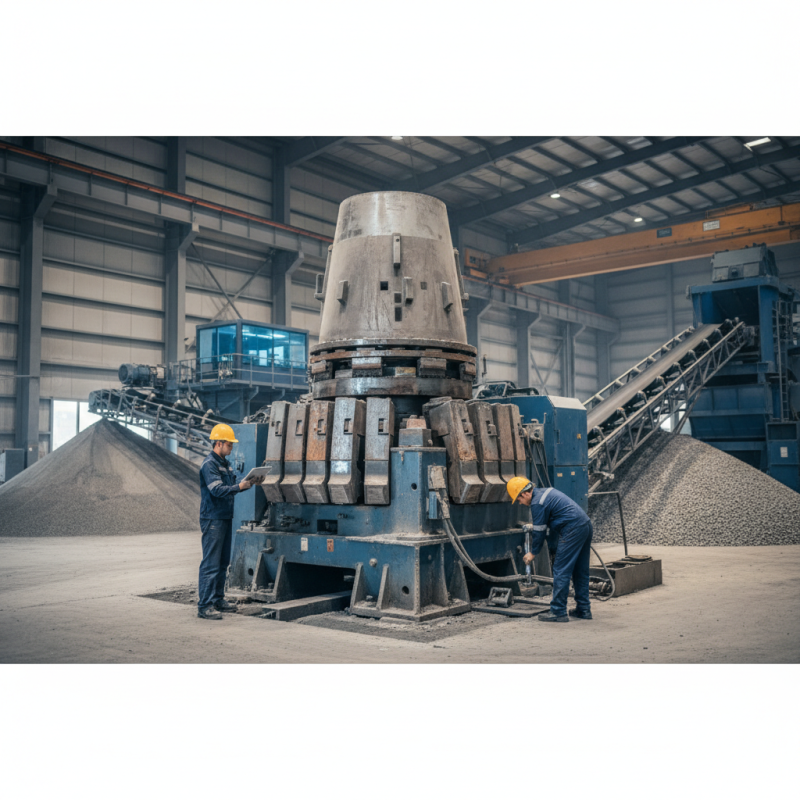
Understanding Cone Crusher Wear Parts and Their Importance
Cone crusher wear parts are critical components in the overall performance and longevity of crushing operations. They are designed to withstand significant wear during the crushing process, as they come into direct contact with hard materials. According to a report by the Mining and Materials Handling Association, wear parts can account for nearly 30% of total operational costs in a mining or aggregate production environment. Therefore, understanding the materials and designs of these parts is essential for optimizing both efficiency and lifespan.
The importance of cone crusher wear parts lies in their role in maintaining the proper size and shape of crushed materials, which directly impacts downstream processes. High-quality wear parts can help reduce the downtime associated with frequent replacements. Studies show that using advanced materials such as high manganese steel and alloy steel can enhance wear resistance by up to 25%. Additionally, investing in the right wear parts with appropriate geometries can lead to improved crushing performance and reduced energy consumption, as they optimize the rock-on-rock crushing mechanism that is critical in achieving effective comminution.
Regular monitoring and proactive maintenance of these wear components are crucial for their performance. Data from industry specialists indicate that implementing scheduled inspections and timely replacements can extend the lifespan of wear parts by as much as 40%, leading to significant cost savings and increased productivity. Understanding the significance of these components not only helps in making informed purchasing decisions but also plays a vital role in enhancing the overall operational efficiency of cone crushers.
How to Extend the Lifespan of Your Cone Crusher Wear Parts
Monitoring Wear Patterns and Identifying Signs of Wear
Monitoring wear patterns in cone crusher wear parts is crucial for maintaining optimal performance and extending lifespan. A comprehensive study conducted by the Mining Industry Research Organization found that approximately 30% of operational inefficiencies can be attributed to wear part degradation. Regular inspection of wear parts, such as liners and mantles, allows operators to identify early signs of wear, which can prevent unexpected breakdowns and costly repairs. By utilizing technologies like ultrasonic monitoring and digital imaging, operators can assess wear profiles effectively, providing the data needed for timely replacements or adjustments.
Identifying wear signs involves observing changes in product shape and size as well as analyzing throughput and power consumption trends. Research from the Aggregate and Mining Equipment Association indicates that monitoring these factors can help determine when wear parts are approaching the end of their useful life, significantly reducing unplanned downtimes. For instance, a cone crusher operating with worn parts may develop a change in the particle size distribution of the crushed material, signaling that adjustments or replacements are necessary. Consequently, implementing a proactive wear monitoring strategy not only enhances the longevity of wear parts but also optimizes overall equipment efficiency.
Regular Maintenance Practices to Extend Lifespan
Regular maintenance practices are crucial for extending the lifespan of your cone crusher wear parts. According to industry data, approximately 70% of crusher failures can be attributed to inadequate maintenance. This statistic underscores the importance of scheduling regular inspections and adhering to stringent maintenance protocols. Regular checks should include monitoring the wear levels of the mantle and concave, as well as ensuring that all lubricating components are functioning optimally to prevent excessive wear and overheating.
In addition to regular inspections, implementing a proactive maintenance strategy can significantly enhance the durability of wear parts. For instance, data from various industry reports indicate that wear parts that are properly maintained can last up to 30% longer than those subjected to lackluster care. To achieve this, operators should not only routinely replace worn components but also keep the crushing chamber clean and free from material build-up, which can negatively impact performance. Investing in appropriate training for maintenance personnel can further improve the adherence to these practices, ultimately leading to a more efficient operation and reduced downtime.
Choosing the Right Materials for Cone Crusher Parts
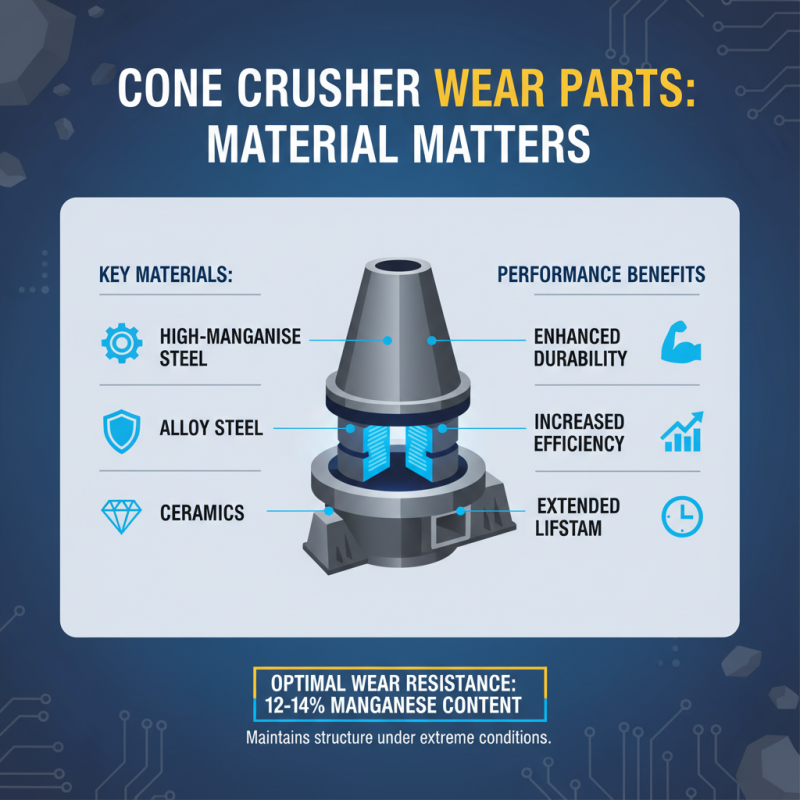
Choosing the right materials for cone crusher wear parts is crucial for optimizing performance and extending their lifespan. High-quality materials not only enhance durability but also improve the overall efficiency of the crushing process. Common materials used in wear parts include high manganese steel, alloy steel, and certain types of ceramic materials. According to industry reports, using a manganese content of 12-14% significantly increases wear resistance, allowing the parts to maintain their structure under extreme conditions.
Tip: When selecting materials, consider the specific applications and rock types that your cone crusher will be handling. This can help in deciding whether to go for a high-manganese steel or an alloyed steel composition, as different materials have varied wear characteristics depending on the hardness of the feed material.
Moreover, heat treatment processes can further enhance wear resistance. Processing methods such as quenching and tempering can modify the microstructure of the alloy to increase its toughness and resistance to stress fractures. Current studies indicate that well-treated alloys can extend the lifespan of wear parts by as much as 20-30%, leading to lower maintenance costs and reduced downtime.
Tip: Regularly inspect and quantify the wear on your cone crusher parts. This proactive approach will not only inform your choices in materials but also guide timely replacements, avoiding unexpected failures during operation.
Optimizing Operating Conditions for Better Durability
Optimizing the operating conditions of your cone crusher is essential for extending the lifespan of wear parts. Research indicates that the optimal operating temperature for a cone crusher significantly affects wear rate; maintaining temperatures between 60°C and 80°C reduces wear by 15-20%.
Adjusting the feed material characteristics, such as size and moisture content, can also play a crucial role. For instance, keeping the feed size below the recommended limit can lead to more efficient crushing, minimizing excessive friction and wear on the cone liners.
Additionally, monitoring the crusher's operational parameters like stroke length and eccentric speed can lead to better durability of wear parts. A study by the International Journal of Minerals, Metallurgy, and Materials highlighted that optimizing the eccentric speed can enhance the throughput by up to 30%, while simultaneously promoting a more even wear pattern on the wear parts. Proper maintenance schedules and regular inspections should be adhered to, ensuring that the equipment operates under the most favorable conditions. This preventative approach not only extends the lifespan of consumable parts but also increases overall productivity and efficiency in the crushing process.