10 Essential Tips for Choosing Jaw Crusher Wear Parts
Selecting the right Jaw Crusher Wear Parts is critical for efficient operation. Industry expert John Smith emphasizes, "Choosing quality wear parts can significantly reduce downtime." This statement highlights the importance of informed selection.
In the competitive field of mining and aggregates, wear parts impact productivity. Failure to choose wisely can lead to increased costs and delays. Many operators overlook small details, like material compatibility and design variations. These factors play a vital role in performance.
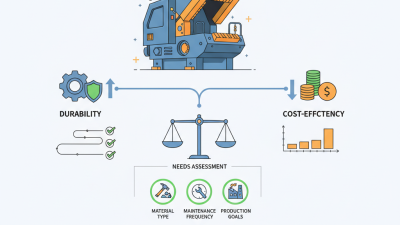
Understanding the long-term effects of wear parts can save money. Poor choices often lead to frequent replacements. This cycle is frustrating and harmful to any business. Emphasizing durability and fit can make a noticeable difference in operation. Choosing the right Jaw Crusher Wear Parts requires careful consideration and knowledge.
Understanding Jaw Crusher Wear Parts and Their Importance
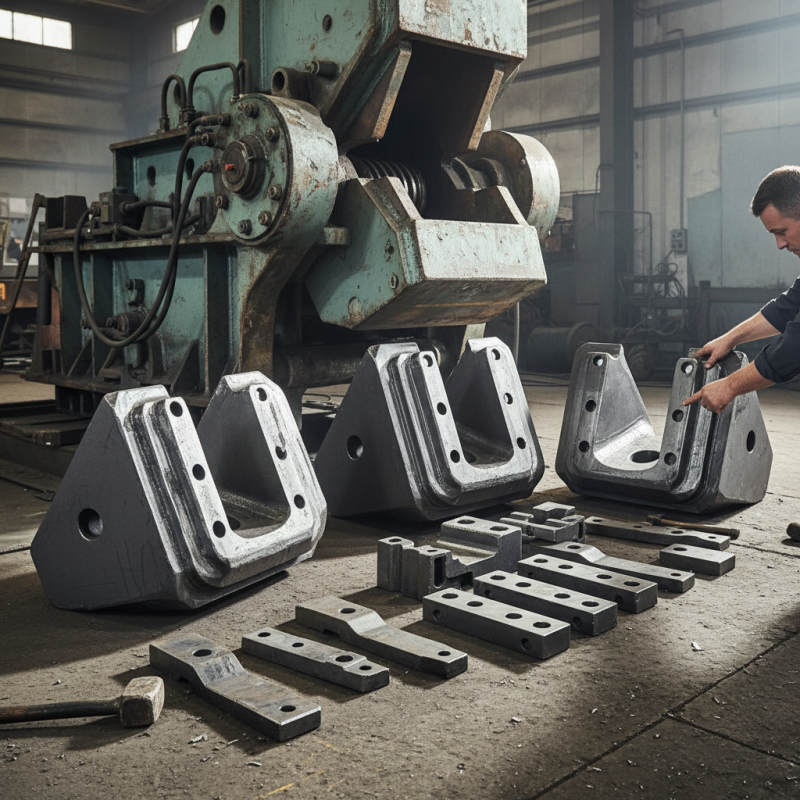
Understanding jaw crusher wear parts is crucial for any operation reliant on these machines. These components play a significant role in the overall efficiency and productivity of a crushing system. The materials used in wear parts directly impact durability and performance. High-quality materials resist wear and extend the lifespan of the machinery.
Choosing the right wear parts can be challenging. Here are some tips to help. Assess your material types. Different materials require different wear parts. Consider the hardness and abrasiveness. Match the wear part's design to the expected wear pattern. This ensures that replacements perform effectively.
It’s essential to regularly examine wear parts for signs of damage or excessive wear. Keeping a close eye allows for timely replacement. Delaying can lead to bigger issues and costly downtime. Do not overlook the importance of proper installation. Incorrectly fitted parts can cause uneven wear or further damage. Reflecting on these points can improve your operation significantly.
Key Factors to Consider When Selecting Wear Parts for Jaw Crushers
Choosing the right wear parts for jaw crushers is crucial. Attention to key factors can significantly affect performance and cost efficiency.
Material quality is essential. High-quality steel alloys tend to offer better wear resistance. According to a recent industry report, using superior materials can reduce replacement frequency by up to 30%.
Fit and compatibility matter too. Parts that don't fit properly can lead to operational issues. They may cause misalignment, increasing wear and tear on other components. Reports suggest that improper fitting can reduce the lifespan of wear parts by 20%, leading to costly downtime. It's vital to consult specifications closely before making a purchase.
Consider the working environment of the jaw crusher. Dusty or abrasive material can accelerate wear. If such conditions are present, thicker parts may be necessary. Anecdotal evidence shows that operators often overlook this factor, resulting in premature wear.
Testing different configurations might yield insights into performance improvements. Reflect on what has worked previously, but stay open to new solutions.
Materials Used in Jaw Crusher Wear Parts: Pros and Cons
When selecting materials for jaw crusher wear parts, understanding their pros and cons is crucial. Common materials include high manganese steel, which is known for its excellent wear resistance and toughness. It can withstand high levels of impact, making it ideal for heavy-duty applications. However, it may not perform well under extreme conditions, leading to potential fractures.
Another material often used is alloy steel. It offers good resistance to wear and can handle a variety of working conditions. Yet, it's not as durable as manganese steel in high-impact scenarios. This can be a downside when dealing with harder materials. Additionally, it’s important to note that while alloy steel may reduce costs initially, the increased wear can lead to more frequent replacements.
Ceramic composites are gaining popularity due to their high resistance to wear. They perform exceptionally well in gritty environments. However, they can be brittle and may not withstand impacts as reliably as other materials. This brittleness often leads to premature failure, requiring further investment in replacements. Ultimately, the choice of material will depend on specific application needs, making careful consideration essential.
Materials Used in Jaw Crusher Wear Parts: Pros and Cons
Maintenance Tips for Extending the Life of Jaw Crusher Wear Parts
When it comes to maintaining jaw crusher wear parts, attention to detail is crucial. Regular inspections can significantly extend the life of these components. According to industry data, proactive maintenance can enhance the lifespan of wear parts by up to 40%. Investing in regular maintenance can save costs in the long run.
Tip: Regular cleaning and lubrication keep wear parts functioning smoothly. Dust and debris accumulation can lead to premature wear. A simple routine can prevent costly repairs.
Monitoring wear patterns also plays a vital role. By analyzing the wear rate, operators can adjust their maintenance strategies accordingly. Industry reports suggest that early detection of wear can save up to 30% in replacement costs.
Tip: Keep an eye on the wear indicators. They provide valuable insights into the current state of your wear parts. Make adjustments based on their readings to avoid unexpected breakdowns. Awareness is key.
Cost-Effective Strategies for Purchasing Jaw Crusher Wear Parts
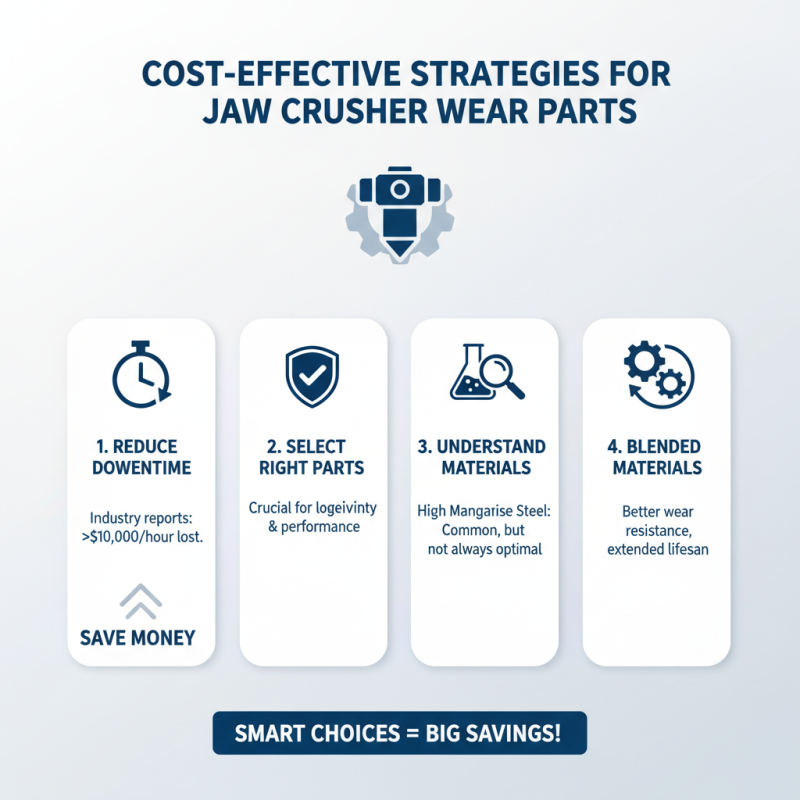
When purchasing jaw crusher wear parts, cost-effectiveness is crucial. Industry reports show that equipment downtime can cost operations over $10,000 per hour. Selecting the right wear parts can significantly reduce this risk. Understanding the wear materials is vital. High manganese steel is common but may not always be the best choice. Sometimes, a blend of materials can offer better wear resistance and longevity.
Evaluating suppliers can save costs. Look for those with detailed performance data. A report from Mining Weekly highlighted that suppliers with a proven track record have a 15% lower rate of premature failure. This is important for maintaining operational efficiency. In addition, sourcing locally can reduce shipping costs. However, be wary of importing cheap parts that fail quickly. Quality should be the primary consideration, even if it means paying a bit more initially.
Don't forget to assess your specific crushing needs. Not all operations require the same type of wear part. An analysis of your crushing process will provide insights. Sometimes, over-ordering can lead to wasted inventory costs. Regularly reviewing wear part performance is also essential. It ensures that you adapt to changing operational conditions efficiently.