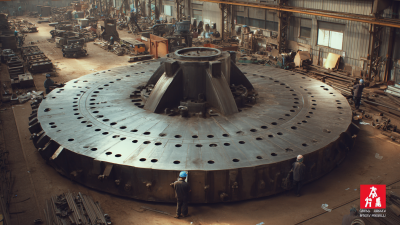
Top 10 Essential Gyratory Crusher Parts for Global Buyers
In the dynamic world of mining and aggregates, understanding Gyratory Crusher Parts is crucial. Industry expert Dr. John Smith, a leading authority in crushing technology, once stated, "The right parts ensure optimal performance and longevity." This highlights the importance of quality components.
Gyratory crushers are essential for large-scale operations. They maximize material size reduction, which enhances productivity. However, not all parts are created equal. Buyers must prioritize durability and efficiency. This ensures reduced downtime and maintenance costs.
As the demand for reliable crushing solutions grows, so does the variety of Gyratory Crusher Parts available in the market. Each component plays a unique role in the machine's functionality. Yet, choosing the wrong parts can lead to inefficiencies and increased operational costs. Understanding these components can significantly impact performance and efficiency.

Understanding Gyratory Crushers: An Overview of Their Functionality
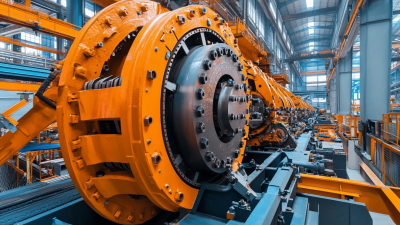
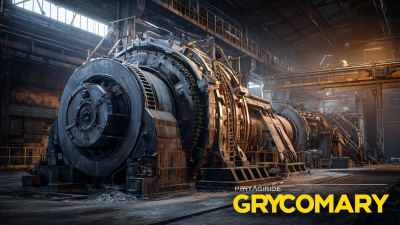
Gyratory crushers play a crucial role in the mining and aggregate industries. These machines crush large rocks into smaller, manageable pieces. Understanding their functionality helps in optimizing their use. A gyratory crusher works on the principle of compression. The outer shell remains stationary, while an inner cone rotates, crushing the material.
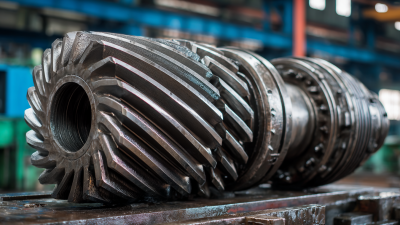
The crushing process generates significant forces, leading to wear on various components. Key parts include the mantle, concave liners, and eccentric bushings. Each element is vital for the crusher's operation. Without durable components, efficiency decreases. Maintenance is essential to ensure longevity and reliability.
While they are effective, these machines require careful handling. Overloading can lead to failures. Regular inspections help identify potential issues. Operators must be trained and aware of the challenges involved. This knowledge enhances safety and productivity in operations. Understanding the intricacies of gyratory crushers fosters better practices.
Key Components of Gyratory Crushers: A Comprehensive Breakdown
Gyratory crushers are essential in the mining and aggregates industries. Understanding their key components helps buyers make informed decisions. Each part plays a crucial role in the performance and longevity of these machines.
The crusher's mantle, for instance, is vital for the crushing process. It bears the brunt of the material impact. Regular inspections are necessary to check for wear and tear. Similarly, the concave liners also wear out over time and must be replaced when necessary. Skimping on maintenance could lead to inefficient operation and higher costs.
Another important component is the spider assembly. This part distributes the weight of the crusher. If the spider is compromised, it can affect the entire system's stability. Buyers should consider the quality of these vital parts carefully. They contribute significantly to both the efficiency and reliability of gyratory crushers. Investing in top-quality components may save money in the long run, despite a higher initial cost.
Importance of Durable Materials in Gyratory Crusher Parts
Durable materials are crucial in the production of gyratory crusher parts. High-quality metallurgy ensures that components can withstand immense pressure and stress during operation. For instance, the liners and mantles made from wear-resistant steel last longer and reduce the need for frequent replacements. This not only saves costs but also minimizes downtime for maintenance.
In the environment of heavy crushing, even minor flaws in material can lead to major failures. A compromised part can cause costly delays and increase operational risks. Thus, reliable sourcing of materials is essential. Understanding the specific needs of your operation helps in selecting the right alloy compositions, ensuring that the crusher performs optimally.
Moreover, as operational demands evolve, continuous improvement in material technology is needed. While some companies may overlook the importance of upgrading materials, it is vital for maintaining performance standards. Regular assessment of equipment and parts should be a priority. This thought process can significantly elevate the efficiency and lifespan of the gyratory crusher, leading to enhanced productivity.
Maintenance Best Practices for Gyratory Crusher Components
Maintaining a gyratory crusher is crucial for optimal performance. Regular inspections of key components can extend the life of equipment. Data shows that improper maintenance can lead to a 30% decrease in productivity. Commonly overlooked parts, such as the mantle and concave, require specific attention. These elements endure significant wear, necessitating a proactive approach to maintenance.
Lubrication is vital in reducing friction and wear. Studies suggest that maintaining proper lubricant levels can prevent up to 90% of premature failure in these machines. Operators often undervalue the impact of quality lubricants. Insufficient lubrication schedules can lead to catastrophic breakdowns. A systematic approach to monitoring lubricant conditions is essential.
Operators should also pay attention to the hydraulic systems. These systems control the gap between the mantle and concave, dictating output size. Failure to assess hydraulic pressures can lead to inefficiencies. Regular hydraulic fluid changes and system checks can enhance performance. It may seem minor, but such measures can significantly affect overall functionality and productivity.
Selecting the Right Gyratory Crusher Parts for Global Market Needs
Selecting the right gyratory crusher parts is crucial for global market needs. With the rise in mining and quarrying activities, the demand for reliable crusher components increases. Professional reports indicate that the global market for crusher parts is projected to grow at a CAGR of about 5.2% from 2023 to 2028. This growth emphasizes the importance of understanding which parts are essential for operational efficiency.
Key components like the mantle, concave, and spider cap play significant roles. The mantle, for instance, must withstand high-impact forces, while the concave ensures maximum material flow. Quality control is vital here. Reports suggest that inadequate quality in these parts can lead to failure, driving up maintenance costs. Additionally, the sourcing of these parts varies. Some manufacturers might offer lower prices but at the expense of durability. This creates challenging decisions for buyers aiming for long-term solutions.
Furthermore, it’s essential to consider regional preferences. In areas with specific geological conditions, certain materials may outperform others. Buyers must evaluate the compatibility of parts based on their operational environments. It's a balancing act: prioritizing quality and reliability while also considering cost and availability in the global market. Identifying the right mix is an ongoing challenge that requires continuous assessment and adaptation.