How to Choose the Right Gyratory Crusher for Your Needs?
Choosing the right Gyratory Crusher can significantly impact your operation's efficiency and output. According to industry expert Dr. John Smith, a leading figure in the mining and construction sector, “Selecting the appropriate Gyratory Crusher is crucial for optimizing performance.” His insights underscore the importance of careful consideration in this process.
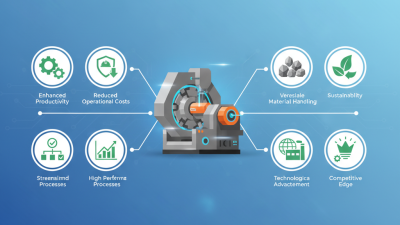
When evaluating Gyratory Crushers, you must assess your specific needs. Factors like material type, desired output size, and production capacity play vital roles. A well-suited Gyratory Crusher can enhance productivity and reduce operational costs. It's not always clear which model is best. Many options are available, each designed for different applications.
Mistakes in selection can lead to increased wear and poor performance. You might find equipment that sounds great but fails in practice. The right choice requires understanding your operational requirements. This decision impacts your bottom line and overall operational success. Taking the time to discern your needs is essential for sustainable operations.
Understanding the Basics of Gyratory Crushers
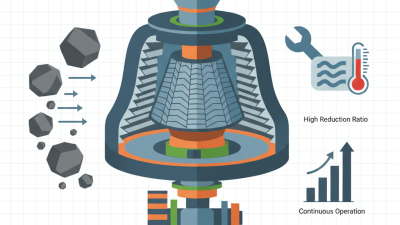
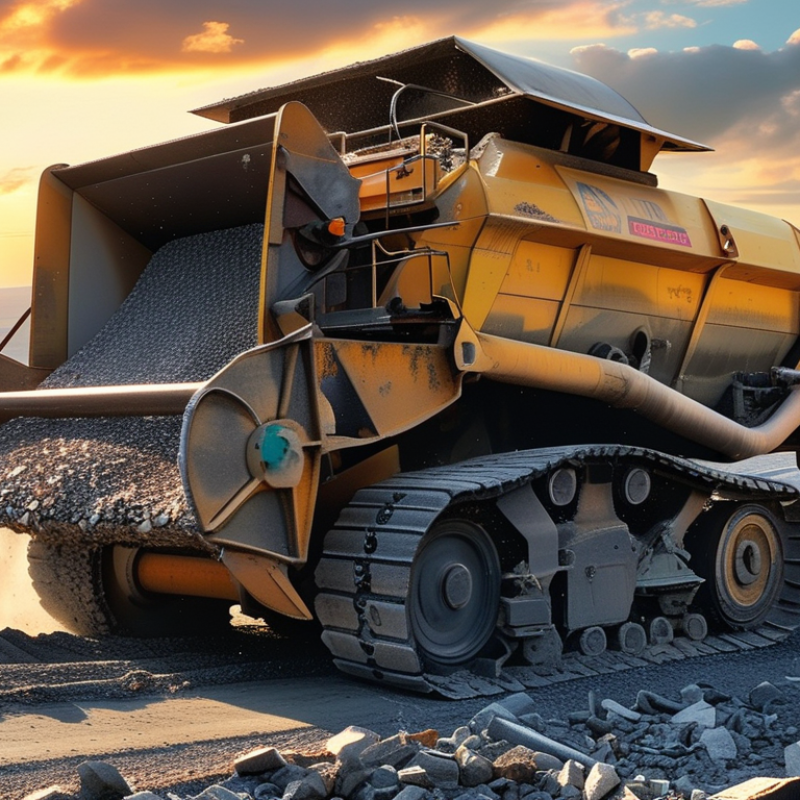
Gyratory crushers play a vital role in mining and aggregate operations. Understanding their design and functionality is crucial for selecting the right model for specific applications. The basic principle behind a gyratory crusher is its conical shape that allows it to crush materials through a combination of compression and shear. According to industry reports, 35% of the world's crushed stone is produced using gyratory crushers. This underlines their prevalence in the sector.
When considering capacity, a crucial spec to note is the feed size. Gyratory crushers typically handle feed sizes from 150 mm to over 1,000 mm. Processing large quantities of material, they can achieve crushing rates of up to 3,000 tons per hour. However, choosing the wrong model can lead to inefficiencies. For instance, if the crusher is oversized, it may lead to unnecessary energy consumption.
Additionally, maintenance requirements can vary significantly among models. A well-maintained crusher can have a lifespan exceeding 15 years. Yet, neglecting regular checks can result in decreased efficiency and higher operational costs. Without adequate attention, issues such as excessive wear on liners can drastically affect performance. Thus, considering both initial costs and long-term maintenance is essential in the decision-making process.
Key Factors to Consider When Choosing a Gyratory Crusher
Choosing the right gyratory crusher requires careful consideration of several key factors. One significant aspect is the size of the materials you need to process.
Larger materials demand robust machinery capable of withstanding high impact forces. The capacity of the crusher should match your production needs. A mismatch could lead to inefficiencies or damage.
Another important factor is the desired output size. The crusher should produce material that meets your specifications. If the output is too large, additional processing might be necessary. This can be costly and time-consuming.
Also, consider the availability of spare parts and service. A reliable support network ensures minimal downtime during repairs.
For optimal performance, also think about the operating environment. Extreme conditions can affect the efficiency and longevity of the equipment. Some settings might necessitate additional features, such as specialized liners or enhanced sealing systems.
Assessing the maintenance requirements is critical too. Routine checks are essential for sustaining performance. Reflecting on these aspects can lead to better decision-making and investment in the long run.
Evaluating Your Material Characteristics for Crusher Selection
When selecting a gyratory crusher, evaluating material characteristics is crucial. Understanding the properties of the material you’re working with can significantly impact performance. Consider the size, hardness, and abrasiveness of the material. For instance, harder materials may require a more robust crusher design to handle the stress without premature wear.
Take the time to analyze the feed material's moisture content. High moisture levels can lead to clumping, affecting the crusher's efficiency. Additionally, pay attention to the size distribution of the material. If the range is wide, you might need a crusher with adjustable settings. This customization can help manage different particle sizes effectively.
It is also essential to reflect on the project's scope. Sometimes, we tend to overlook how different materials can affect operational efficiency. A mismatch between material characteristics and equipment can lead to significant downtime or maintenance challenges. Regularly reviewing and updating your assessments will ensure your equipment meets evolving needs.
Assessing the Size and Capacity Requirements for Your Project
When selecting a gyratory crusher, assessing the size and capacity requirements is crucial. Begin by evaluating the materials you plan to crush. Consider their hardness, size, and abrasiveness. These factors directly influence the equipment's efficiency and lifespan. Feeding larger materials often requires a more robust machine. Conversely, if you're working with smaller rocks, you might choose a less powerful unit.
Next, think about your project's output needs. Determine the volume of material you need to process daily. A higher capacity crusher can yield more product per hour but may also entail greater energy consumption. If your project goals change over time, consider a flexible option. Not every machine can adapt to varying demands seamlessly, leading to inefficiencies.
Size considerations extend beyond just the crusher itself. Ensure your installation space can accommodate the machinery comfortably. Overcrowded setups may lead to safety hazards and operational challenges. Think about the maintenance requirements as well. Accessing parts for routine checks should not be cumbersome. Reflect on these aspects carefully; overlooking them could hinder your project’s progress significantly.
How to Choose the Right Gyratory Crusher for Your Needs? - Assessing the Size and Capacity Requirements for Your Project
| Crusher Model |
Maximum Capacity (tph) |
Feed Size (inches) |
Discharge Opening (inches) |
Weight (lbs) |
Power (HP) |
| Model A |
500 |
12 |
6 |
20,000 |
400 |
| Model B |
800 |
14 |
8 |
30,000 |
600 |
| Model C |
1000 |
16 |
10 |
40,000 |
800 |
| Model D |
1200 |
18 |
12 |
50,000 |
1000 |
Comparing Costs and Maintenance Needs of Different Gyratory Models
When choosing a gyratory crusher, understanding costs and maintenance is crucial. Different models offer various features, affecting both initial investment and ongoing expenses. A high-capacity model may reduce operational time but could also lead to higher maintenance costs. It is vital to analyze the total ownership costs rather than just the purchase price.
Routine maintenance can vary greatly among different gyratory crushers. Some require frequent parts replacements, while others may have long intervals between servicing. It's beneficial to review the manufacturer's recommendations. Field reports suggest that units designed with easy access can decrease downtime. However, simplicity should not compromise durability.
Considering your needs is essential. Heavy-duty applications might justify a more expensive model, while lighter tasks could benefit from a cost-effective option. Balancing these factors can be challenging. Engaging with industry experts can provide insights, helping to avoid costly mistakes. Always assess long-term implications rather than focusing solely on short-term savings.
Gyratory Crusher Cost and Maintenance Comparison
This chart compares the costs associated with different models of gyratory crushers. Understanding the costs and maintenance needs of each model can help in making an informed decision for your operations.