How to Choose Swing Jaw Plates for Jaw Crusher in 2026?
Choosing the right Swing Jaw Plates for Jaw Crusher is crucial for optimal performance. In 2026, the industry demands advanced materials and designs that enhance durability and efficiency. Modern jaw crushers require plates that withstand heavy loads and reduce wear.
Understanding the specific application is key. Will the crusher handle hard rock or softer materials? This choice influences the selection process. Many options exist, but not every plate suits all situations. Consulting with experts can provide guidance tailored to your needs.
Research shows that the quality of Swing Jaw Plates significantly impacts longevity. High-quality plates reduce downtime and maintenance costs. However, it’s essential to balance cost and performance. Cheaper options might lead to more frequent replacements. A thoughtful approach leads to better outcomes in the long run.
Understanding the Role of Swing Jaw Plates in Jaw Crushers
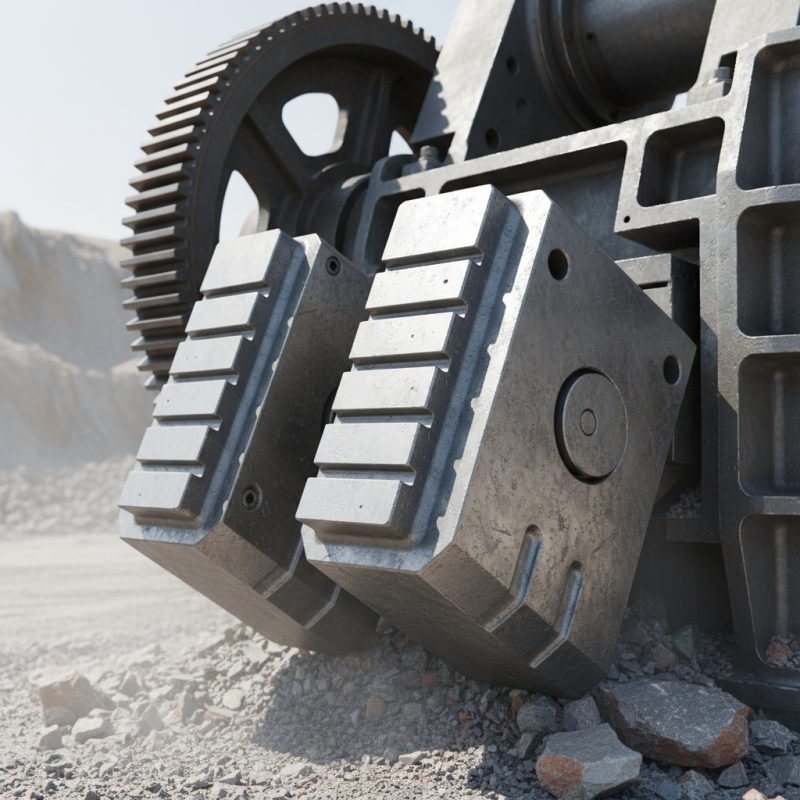
Swing jaw plates are crucial components in jaw crushers. They play a significant role in the crushing process, affecting both efficiency and output. When selecting these plates, one must consider various factors that influence their performance. The material composition, for example, impacts durability. It's important to choose a material that can withstand high levels of wear and tear.
In addition, the design of swing jaw plates can affect the crushing angle and, consequently, the product size. An optimal design will enhance the crushing action, leading to finer materials. However, many tend to overlook the importance of regular inspections and maintenance for these components. Wear patterns can change over time, and ignoring them may lead to decreased efficiency.
Moreover, the compatibility between the swing jaw plates and the fixed jaw plate is vital. Mismatched plates can cause uneven wear, leading to premature failure. Some operators may find it challenging to identify these issues. Continuous learning and adaptation are essential for effective equipment management in 2026 and beyond. Taking the time to understand swing jaw plates thoroughly can lead to improved operational outcomes.
Jaw Crusher Swing Jaw Plates Lifespan Analysis - 2026
This chart depicts the estimated lifespan of swing jaw plates in different materials used for jaw crushers in 2026. Different materials exhibit varying durability and wear resistance, influencing the choice of swing jaw plates for optimal performance.
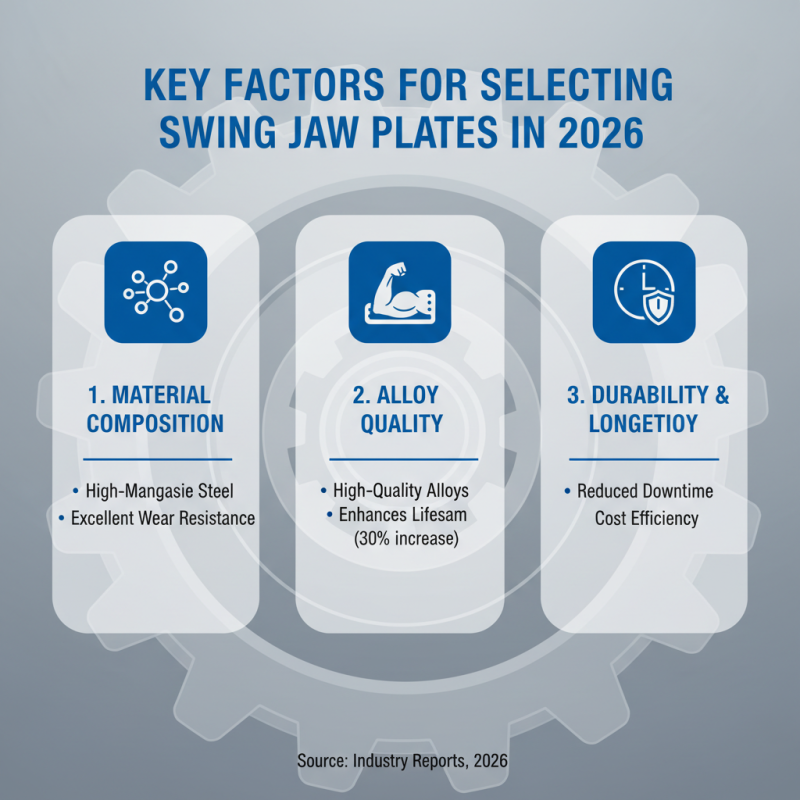
Key Factors for Selecting Swing Jaw Plates in 2026
Choosing swing jaw plates for your jaw crusher in 2026 demands careful consideration of a few key factors. Material composition is vital. High manganese steel is often preferred due to its excellent wear resistance. According to industry reports, using high-quality alloys can enhance the lifespan of jaw plates by up to 30%.
Another important factor is the design and geometry of the swing jaw plates. The optimal design can significantly impact the crushing efficiency. A well-designed plate allows for better material flow. Remember, not all designs are created equal. Some may wear out faster than others. Pay attention to the angles and surface textures.
Tip: Regularly inspect your swing jaw plates for signs of wear. Early detection can prevent costly breakdowns.
Understanding the crusher's operating conditions is also crucial. Factors like feed size, mineral hardness, and expected wear can dictate the choice of swing jaw plates. Be wary of oversizing the plates. While thicker plates may seem durable, they can reduce performance due to excess weight.
Tip: Keep abreast of advancements in material science for jaw plates. Innovations can provide better options in design and durability.
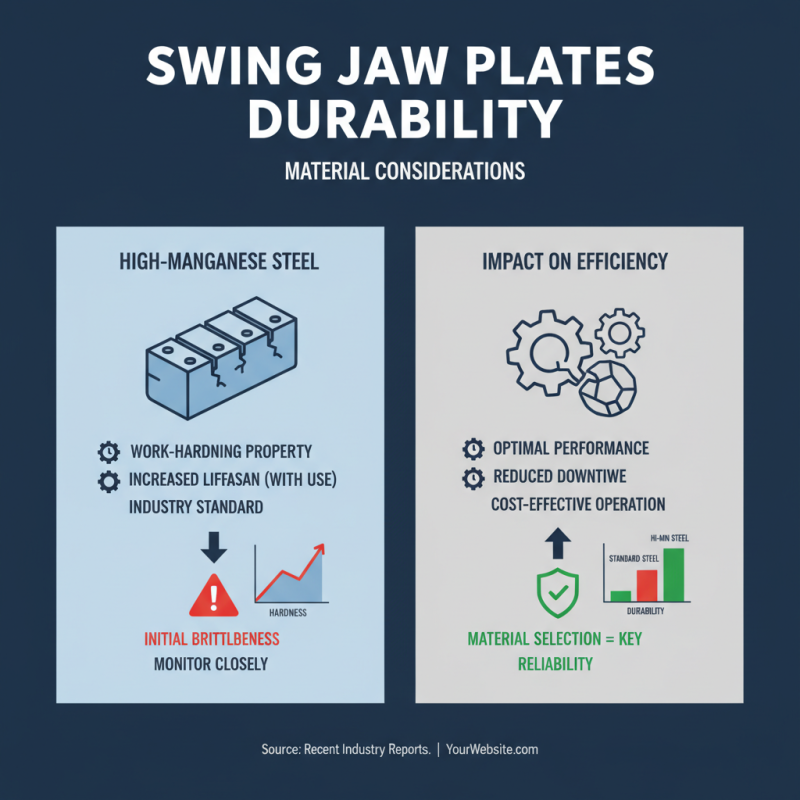
Material Considerations for Swing Jaw Plates Durability
Choosing the right swing jaw plates for jaw crushers is crucial for operational efficiency. The material used directly impacts durability and performance. Recent industry reports indicate that high manganese steel remains a popular choice for swing jaw plates due to its work-hardening properties. As the jaws undergo repeated impact, the surface becomes harder, enhancing lifespan. However, the initial brittleness can lead to unexpected failures if not closely monitored.
Another option is alloyed steel which offers improved toughness and resistance to wear. Statistical data from a 2023 study shows that these alloys can lead to a 20% increase in plate lifespan compared to traditional materials. Still, they may not perform well in all applications. It's essential to analyze the specific material properties required based on the type of crushed material and operational conditions.
Moreover, understanding the manufacturing process is vital. Poorly cast plates can contain micro-defects that weaken overall strength. Regular inspections and material tests can identify these flaws early. It highlights a significant gap in current practices where operators may overlook material quality for immediate cost savings. Being mindful of the swing jaw plate material can offer long-term benefits in performance and maintenance efficiency.
Analyzing Compatibility with Existing Jaw Crusher Models
Choosing the right swing jaw plates for your jaw crusher involves understanding compatibility with existing models.
Compatibility is crucial for performance and longevity. Identify your jaw crusher’s specifications. These include dimensions, material type, and design features.
A mismatch can lead to inefficient crushing and increased wear.
When analyzing compatibility, consider the wear characteristics of the swing jaw plates. Different materials exhibit varying levels of durability and toughness.
Harder materials can withstand more abrasive materials but may be prone to brittleness. It's important to find a balance. Trial and feedback from actual operating conditions can guide your decision.
Additionally, don’t overlook the installation process. Some swing jaw plates may require modifications for a proper fit.
Ensure that your team has experience with these adjustments. Relying solely on vendor recommendations can lead to oversight.
Continuous monitoring of performance post-installation is vital. It helps in identifying any shortcomings early on.
Cost-Benefit Analysis of Different Swing Jaw Plate Options
Choosing swing jaw plates for a jaw crusher in 2026 involves careful consideration of cost and benefits. According to recent industry studies, selecting the right material can impact overall performance and maintenance costs. High manganese steel is popular, but some alternatives can offer better wear resistance at similar prices.
In a cost-benefit analysis, companies must weigh the initial expenditure against longevity. Reports show that high-quality swing jaw plates can reduce replacement frequency by up to 30%. Over time, this results in lower downtime and operational costs. Parameters like hardness, impact resistance, and manufacturing processes must be considered. Often, cheaper options lead to increased frequency of wear, necessitating more frequent replacements.
However, not all costly solutions guarantee performance. Data suggests that some premium materials do not provide proportional benefits. Reflection on testing and field results is essential. Organizations often rely on real-world performance data while assessing their choices. Balancing cost against durability involves subtle nuances and careful evaluation.