How to Choose the Best Swing Jaw Crusher Plate for Your Needs?
Choosing the right Swing Jaw Crusher Plate can significantly impact your operation's efficiency. Industry expert Dr. Samuel Mills emphasizes, “The right plate design leads to better performance and durability.” This highlights the importance of selecting a suitable plate tailored to your specific needs.
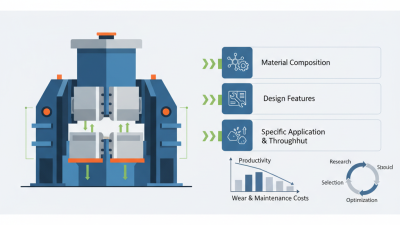
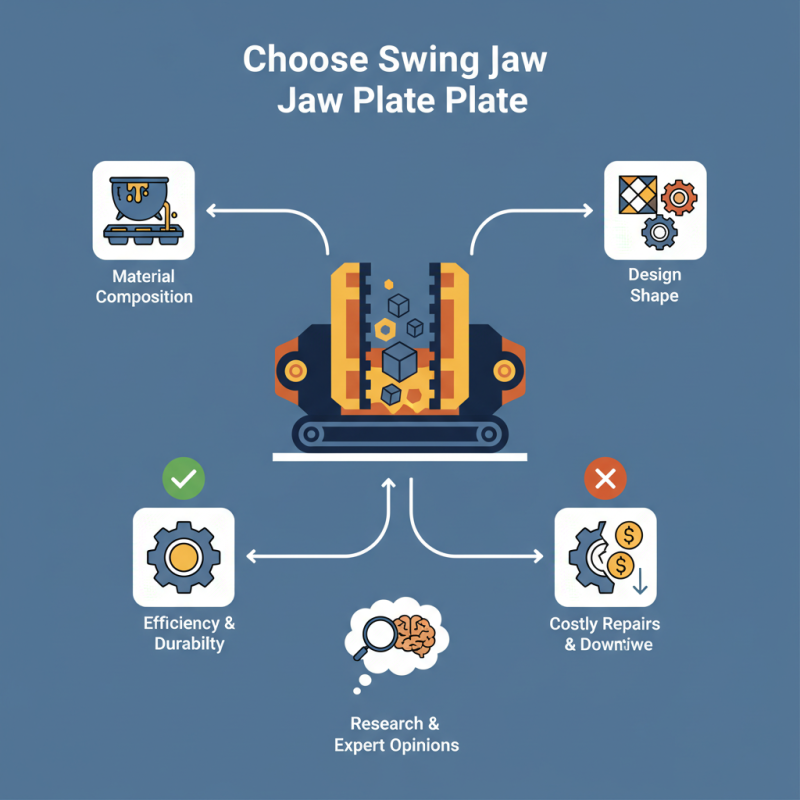
When considering a Swing Jaw Crusher Plate, factors such as material composition and design shape are crucial. High-quality plates are vital for minimizing wear and optimizing the crushing process. A well-designed plate can enhance the overall lifespan of your equipment. However, many operators underestimate this aspect, often leading to premature failure.
It’s essential to weigh your options carefully. Different applications may require variations in plate design. Research and expert opinions can guide your decision-making. Remember, a poorly chosen Swing Jaw Crusher Plate can lead to costly repairs and downtime. Prioritize quality and suitability to ensure long-term operational success.
Factors to Consider When Selecting Swing Jaw Crusher Plates
Choosing the right swing jaw crusher plate is crucial for optimal performance. Various factors determine the best fit for your operations. Material composition is vital. Consider the hardness and toughness of the plate. These factors directly impact the crusher's durability and efficiency.
The dimensions of the plate play a significant role. Ensure that the size matches your equipment specifications. A mismatch can lead to operational inefficiencies. Different environments also demand different designs. For example, a plate used in a hard rock application may require different properties than one for softer ores.
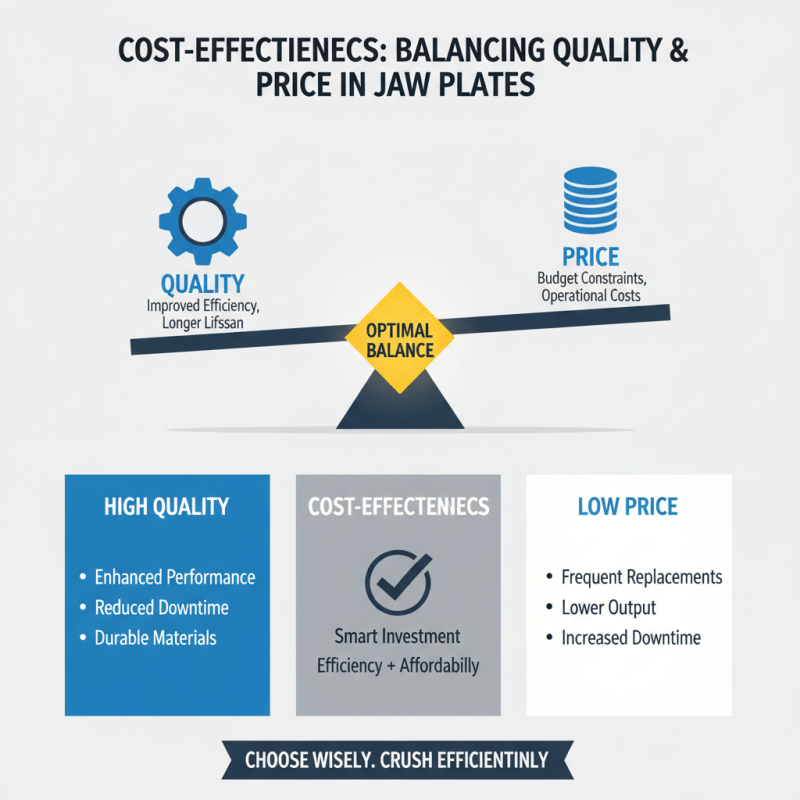
Another aspect to consider is the manufacturing process. Plates made with advanced techniques often provide better wear resistance. Evaluating the supplier's reliability is essential. Look for the supplier’s past performance and user reviews. While it's easy to focus solely on price, the long-term value should guide your decision. A cheaper plate may lead to quicker replacements, costing more in the end. Reflect on your specific needs and operational conditions to make the best choice.
Material Composition and Its Impact on Durability and Performance
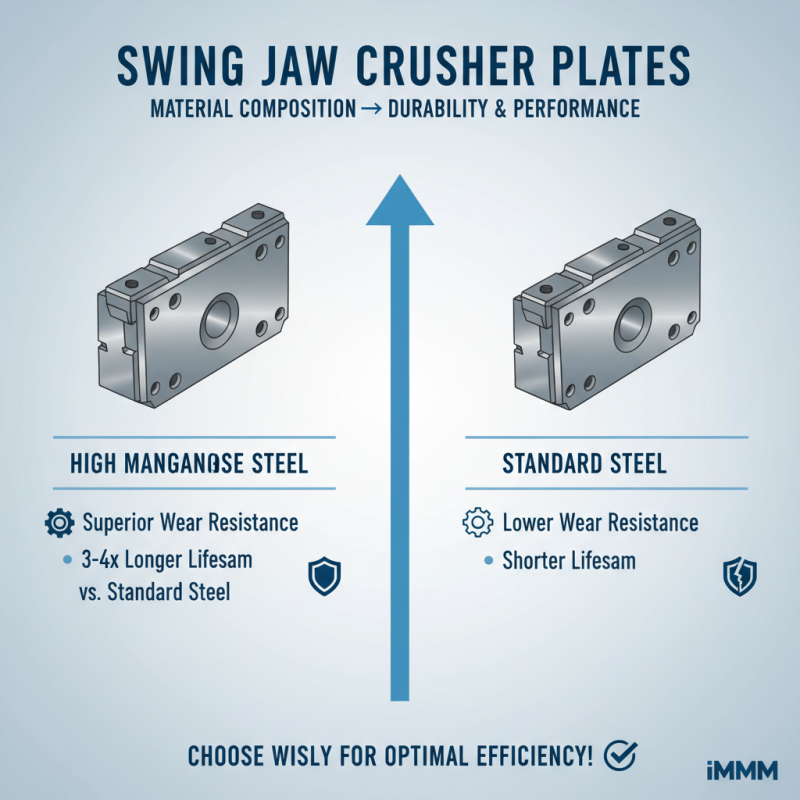
Choosing the right swing jaw crusher plate is crucial for optimal performance. The material composition directly influences the durability and efficiency of the crusher. Most manufacturers opt for high manganese steel due to its impressive wear resistance. A report by the International Journal of Minerals, Metallurgy, and Materials highlights that high manganese steel can endure up to 3-4 times the wear compared to standard steel plates.
However, over time, even the best materials can fail. The performance degradation may occur due to excessive strain or incorrect material mix. Studies indicate that using alloyed steel can improve shock resistance, but it may not be as cost-effective. In some cases, producers noted that the initial higher investment in quality materials led to lower maintenance costs in the long run.
It’s essential to analyze operational conditions. If the material composition is not compatible with the material being crushed, it could lead to premature failure. Adjusting the thickness of the plates may also address issues like inadequate crushing power. Fine-tuning these aspects requires professional insight and hands-on experience in the field.
Analyzing the Wear Patterns of Different Jaw Plate Designs
When selecting a swing jaw crusher plate, understanding wear patterns is crucial. Different designs can significantly impact performance, durability, and maintenance costs. A recent report by Mining and Minerals Australia indicates that variations in material composition and thickness lead to different wear rates. For instance, plates made from manganese steel, known for its high wear resistance, often outlast other materials by 50%.
In practice, the design of the jaw plate influences the stress distribution. Angularity and curvature play key roles in how forces are transferred during crushing. Research shows that a well-engineered jaw plate can reduce wear by up to 20%. However, some users report challenges in selecting the optimal design due to limited data on specific applications. Too often, operators overlook the importance of matching the jaw plate style to the material they are processing.
Data indicates that harder materials can cause premature wear on softer jaw plates. Conversely, excessive rigidity can lead to chip formations. This balance is tricky. Companies need to regularly analyze wear patterns to optimize their equipment. A study showed that replacing worn plates based on performance data can reduce downtime by about 30%.
How to Choose the Best Swing Jaw Crusher Plate for Your Needs?
| Jaw Plate Design |
Material |
Wear Pattern |
Typical Applications |
Lifespan (Hours) |
| Standard Tooth |
Manganese Steel |
Even Wear, High Abrasion |
Mining, Recycling |
800-1200 |
| Heavy Duty Tooth |
High Manganese Steel |
Uneven Wear, Extended Life |
Quarrying, Heavy Mining |
1000-1500 |
| Smooth Plate |
Carbide |
Low Abrasion, Consistent Output |
Recycling, Stone Crushing |
600-900 |
| Multi-Functional Plate |
Alloy Steel |
Mixed Wear, Versatile Performance |
Construction, Demolition |
800-1100 |
Understanding Industry Standards for Jaw Crusher Plate Specifications
Choosing the right swing jaw crusher plate involves understanding industry standards.
Various specifications dictate performance and longevity. According to industry studies, the most common materials used include
manganese steel, due to its high impact strength and resistance to abrasion.
When sourcing a jaw crusher plate, examining the key specifications is crucial.
Industry reports reveal that plates must meet minimal hardness levels, often exceeding 600 Brinell.
Also, the thickness of the plates can significantly influence how well they absorb shock.
Thicker plates tend to resist deformation but may impose a heavier load on the machinery.
Additionally, the design features should not be overlooked.
Analysis shows that casting technology and heat treatment processes can vary greatly among manufacturers.
Poor processes may lead to premature wear or breakages.
It’s vital to review these factors with a critical eye. Investing in quality materials isn't just about upfront costs;
it relates directly to operational efficiency and maintenance over time.