How to Choose the Right Cone Crusher Wear Parts for Your Needs?
Choosing the right cone crusher wear parts is crucial for optimal performance in mining and construction. Cone Crusher Wear Parts are essential components that directly influence the durability and efficiency of your crushing operations. Selecting the appropriate parts can significantly reduce downtime and maintenance costs.
When examining different options, it is essential to understand the specific requirements of your cone crusher model. Not all wear parts are created equal. Quality varies among manufacturers, and the right choice can enhance productivity. Consider factors such as material hardness and the type of aggregate processed.
Some users might overlook the importance of wear part selection. This can lead to rapid wear and unscheduled shutdowns. Make an informed decision by investing time in research. Assess your operational needs carefully. The right Cone Crusher Wear Parts will ultimately pay for themselves through increased reliability and effectiveness. It’s a crucial step that shouldn't be taken lightly.
Understanding the Function of Cone Crusher Wear Parts
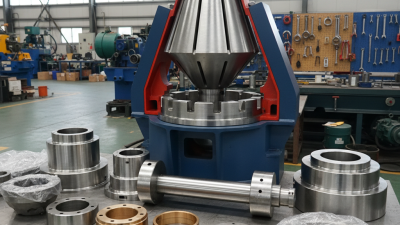
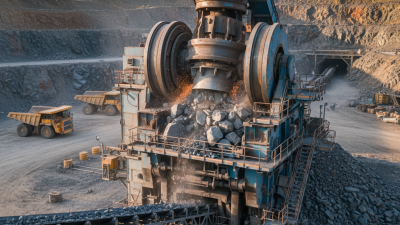
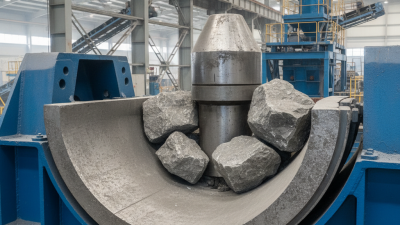
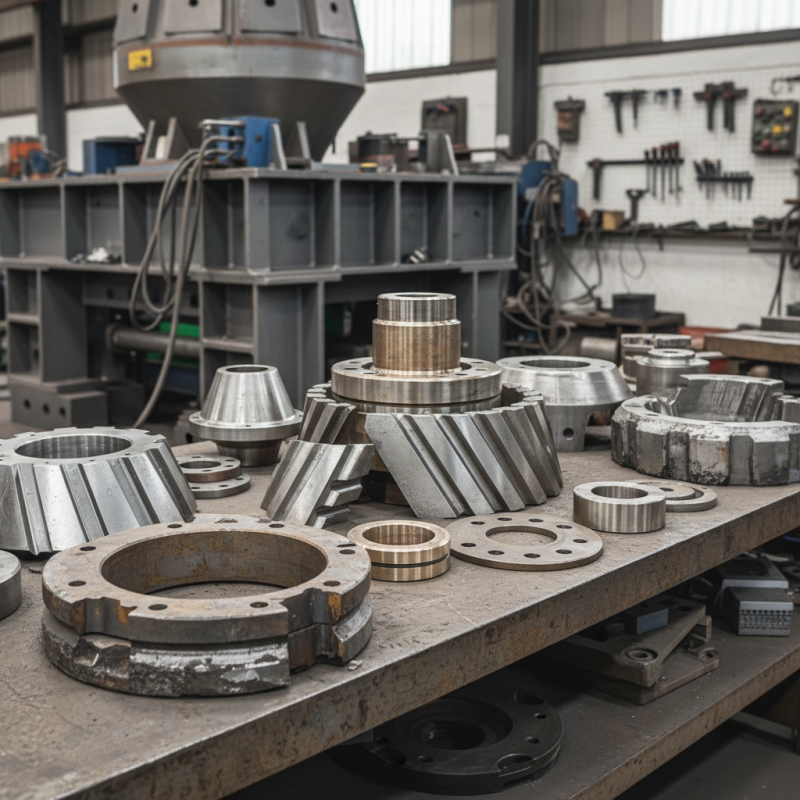
Cone crusher wear parts play a vital role in maintaining the efficiency and functionality of the equipment. These components face extreme stress during operation. Understanding their function is essential for optimization. Common wear parts include mantle, bowl liner, and concave. Each part contributes to the crushing process, ensuring effective material reduction.
Selecting the right wear parts hinges on various factors. Material type and hardness affect wear rates significantly. A report by the Industrial Minerals Association indicates that improper selection can lead to a 20% increase in wear rates. This, in turn, affects productivity and increases operational costs. When choosing wear parts, consider the specific application. The crushing environment, such as moisture content and material size, demands tailored solutions.
The quality of wear parts also deserves attention. High-quality materials enhance durability and reduce replacement frequency. Studies show that using inferior wear parts can increase downtime by up to 15%. Regular assessment of wear patterns helps in adjusting maintenance schedules. Attention to these details ensures longevity and effectiveness of the cone crusher performance.
How to Choose the Right Cone Crusher Wear Parts for Your Needs?
| Wear Part Type |
Material |
Hardness |
Expected Lifespan (Hours) |
Application |
| Mantle |
Manganese Steel |
HRC 12-22 |
800-1200 |
Primary and Secondary Crushing |
| Concave |
Manganese Steel |
HRC 12-22 |
800-1200 |
Primary and Secondary Crushing |
| Bowl Liner |
High Chrome Iron |
HRC 50-60 |
1000-1500 |
High Abrasive Material Processing |
| Spider Cap |
Alloy Steel |
HRC 30-40 |
1500-2000 |
Supporting Structure |
| Hydraulic Cylinder |
Cast Steel |
HRC 20-30 |
3000-5000 |
Lifting and Adjustments |
Key Factors to Consider When Selecting Wear Parts
Choosing the right cone crusher wear parts requires careful consideration. Several key factors impact performance and longevity. Material quality ranks high on the list. High-quality steel alloys often withstand wear better than cheaper alternatives. It's essential to check the hardness and toughness of the materials used.
Another factor is the specific application of the wear parts. Different operations impose varying levels of stress on components. For example, crushing abrasive stones can accelerate wear. Matching parts to your unique operation can improve efficiency. Design features also deserve attention. A well-designed part optimizes the crushing process and minimizes downtime.
Finally, consider the supplier’s reputation. A reliable supplier offers proven designs and high-quality manufacturing. However, the landscape is filled with options, and not all suppliers ensure the same level of quality. Do your research. Look for reviews and ask for testimonials. Your choice now impacts costs and performance later. Always weigh your options carefully.
Material Options for Cone Crusher Wear Parts
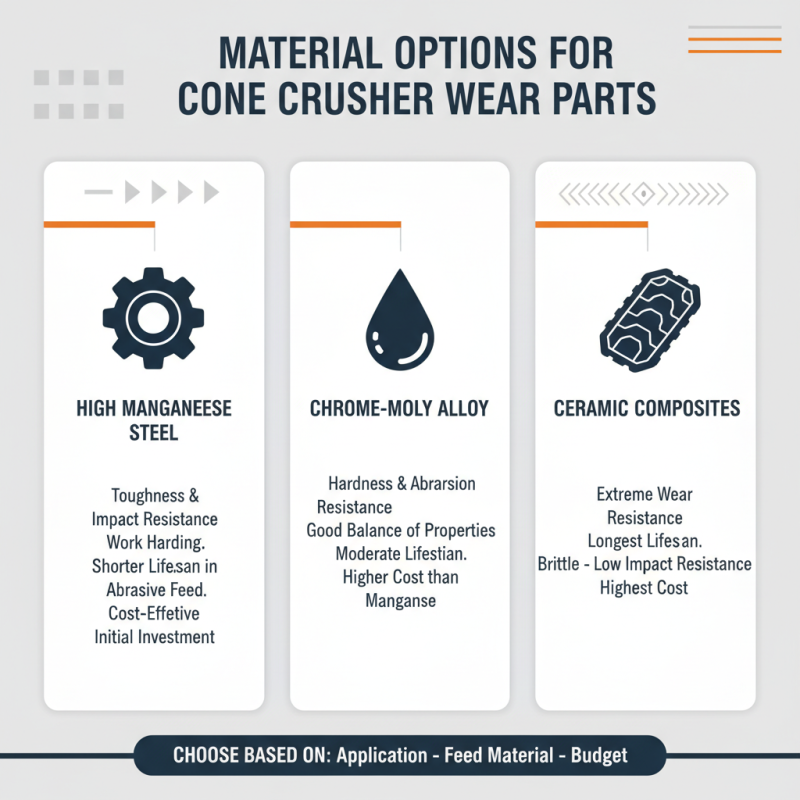
When selecting wear parts for cone crushers, material choice is crucial. Different materials offer varied performance, impacting longevity and efficiency. Common options include high manganese steel, chrome-moly alloy, and ceramic composites. Each material has its advantages and disadvantages, determining suitability based on your specific needs.
High manganese steel is popular for its excellent impact resistance. It works well in abrasive environments, but may wear quickly under high-temperature conditions. Chrome-moly alloys provide enhanced toughness but might lack the hardness needed for certain applications. Ceramic composites are emerging as durable alternatives, yet can be more brittle.
Understanding your operational conditions is vital. Consider factors like the type of material being crushed and the feeding rate. Improper material selection can lead to frequent replacements and higher costs. Investing time in research can make a significant difference in performance, helping to avoid common pitfalls in wear part selection.
Evaluating the Compatibility of Wear Parts with Your Equipment
When evaluating wear parts for cone crushers, compatibility is crucial. Each component must align perfectly with your specific equipment. A mismatch can lead to significant operational issues. Ensure that the wear parts match not only in size but also in material quality.
Consider the type of material you are crushing. Different applications demand different specifications. For example, abrasive materials may require harder wear parts. On the other hand, more manageable materials might allow for softer components. Think about the working conditions. Extreme temperatures and varying humidity levels can affect the performance of wear parts.
Review the performance history of various wear parts. Don’t just rely on new options in the market. Older models may have proven reliability under similar conditions. Reach out to industry experts for insights. Their experience can provide invaluable information. Compatibility can sometimes be overlooked, leading to premature wear and unexpected downtime.
Cost vs. Quality: Making an Informed Decision on Wear Parts
When selecting cone crusher wear parts, the balance between
cost and quality is crucial. High-quality materials
can increase longevity. However, they may also come with a higher price tag. Investing in better quality parts
often leads to fewer replacements over time. This is especially important for heavy-use operations. If you choose
cheaper parts, be prepared for possible breakdowns.
Frequent replacements can lead to unexpected costs.
Understanding the specific needs of your operation is vital. Consider factors like
material hardness and operating conditions. Sometimes,
premium parts are justified by their performance. For less intensive use, mid-range options may suffice.
Reflect on your past choices. Have cheaper parts caused more issues than they solved? Tracking wear patterns can
provide insights. Look for wear indicators to assess part performance over time. By focusing on these details,
you can make informed decisions that align with your operational goals.