How to Choose Cone Crusher Wear Parts for Maximum Durability?
Choosing the right Cone Crusher Wear Parts can significantly impact your operations. These components face extreme conditions and wear out quickly. Therefore, understanding their durability is crucial.
When selecting wear parts, consider the material type. High-quality alloys and coatings can enhance lifespan and performance. Additionally, examine the brand's reputation. Trusted manufacturers often provide parts with better precision. Another factor is the application. Different mining or construction environments may require specialized wear parts.
It's important to reflect on your current wear parts. Are they performing optimally? Regular assessments will help you identify wear patterns. Choosing the best parts can prevent costly downtimes. Investing in quality Cone Crusher Wear Parts is a smart move for any operation aiming for efficiency and longevity.
Understanding Cone Crusher Wear Parts and Their Functions
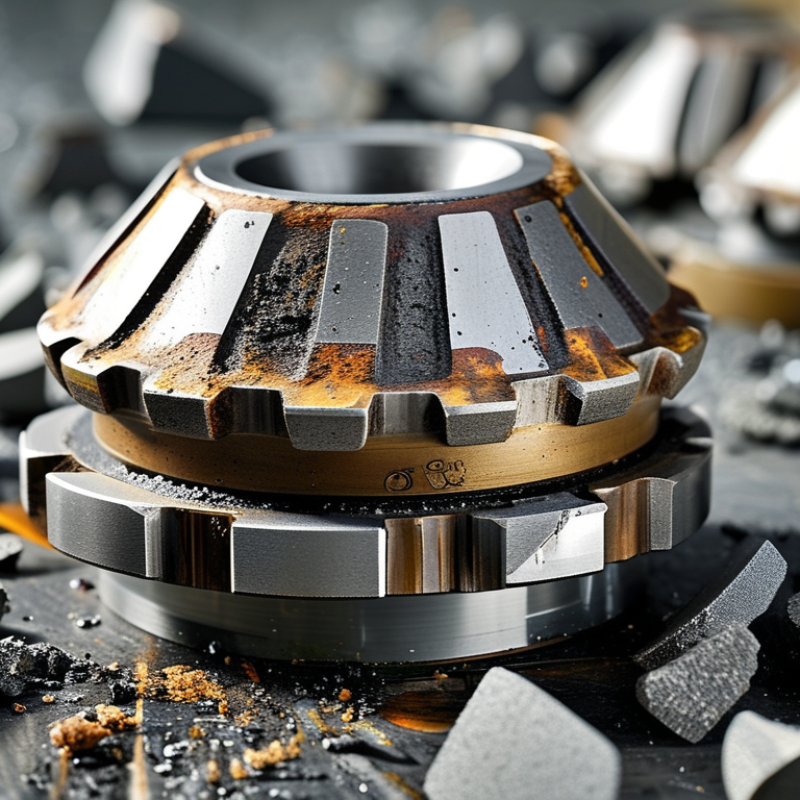
Understanding cone crusher wear parts is crucial for ensuring optimal performance in crushing applications.
These components are designed to endure significant stress and wear during operation.
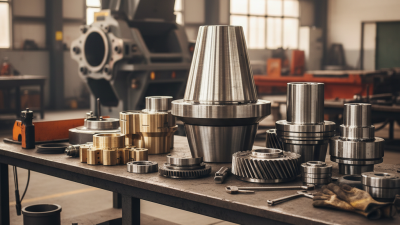
Key parts include
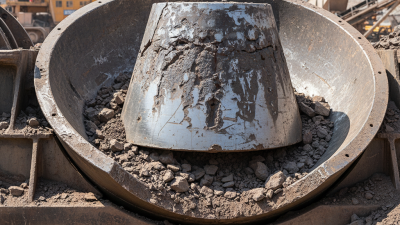
mantle,
bowl liner, and
concave.
Each plays a vital role in shaping the way materials are crushed.
A well-fitted mantle helps in maintaining the crushing chamber's shape, ensuring efficient material flow and
reducing energy consumption.
When selecting wear parts, consider their materials and design.
High-quality alloys
offer better resistance to abrasion. Look for parts that fit well within the crushing chamber.
Even small gaps can lead to uneven wear and reduced efficiency.
Tips:
Regular inspections of wear parts can save money long-term.
Replace parts before they wear down too much to maintain peak performance.
Another aspect to consider is the environment where the crusher operates.
Different materials and temperatures can affect wear rates.
Understanding these factors helps in choosing the right wear parts tailored to your specific needs.
The wrong selection can lead to frequent replacements, causing downtime.
Key Materials Used in Cone Crusher Wear Parts for Longevity
When selecting wear parts for a cone crusher, material choice is crucial for durability. High-quality steel alloys are common. The most reliable options include manganese steel, which offers excellent impact resistance. This material can withstand significant wear and tear. It is adaptable, providing strength where it is needed most. However, it can be prone to cracking under extreme conditions.
Another key material is chrome steel, known for its toughness and hardening capabilities. It performs well in abrasive scenarios, making it a popular choice. Still, its brittleness can lead to failures if not monitored closely. Regular inspections are recommended. You might find that not all chrome steel parts are made equally. Variability in manufacturing processes can affect overall performance.
Additionally, consider materials like ceramic composites for specific applications. They can enhance wear resistance. However, they may lack the toughness of traditional options. The choice ultimately depends on operational conditions and expected wear rates. Engage with experts and assess your environment regularly for the best outcomes. Finding the right balance between durability and work conditions is essential.
Factors Influencing the Durability of Wear Parts in Crushing Operations
When selecting cone crusher wear parts, several factors influence their durability. The material composition is crucial. A higher percentage of chromium or manganese can enhance toughness and wear resistance. However, too much of these elements can compromise other properties, such as ductility. Evaluating the balance of materials is essential for longevity.
Another factor is the design of the wear parts. Certain geometrical features help distribute stress evenly during crushing operations. Poor design can lead to premature failure. It is vital to understand the specific applications and conditions under which the crusher operates. Working in wet, abrasive environments will require different parts than dry rocky conditions.
Operating conditions also play a significant role. The feed material's hardness and size affect wear. Regularly inspecting the wear parts can provide insight into their performance and help identify patterns of wear. Neglecting these details can result in unexpected failures and costly downtime. A proactive approach is necessary to ensure optimal performance and durability.
Technical Specifications to Consider When Selecting Wear Parts
When selecting cone crusher wear parts, specific technical specifications are crucial for ensuring durability. Material quality is paramount. High manganese steel is widely recognized for its strength and wear resistance. The American Foundry Society reports that an optimal alloy composition can enhance toughness by 20%. This leads to extended lifespans, essential for reducing downtime.
Another important factor is hardness. The Rockwell hardness scale is often used to measure this. Parts with a hardness of 42-52 HRC offer the right balance of durability and resilience. Overly hard parts can become brittle, while softer components wear out faster. It's essential to understand the rock type and the hardness of the material being processed.
Moreover, the design and dimension of the wear parts directly impact performance. Proper fit ensures that wear components can withstand the forces involved in crushing operations. Some manufacturers provide wear part design services tailored to specific applications. These modifications can improve the lifespan of wear parts by 15% to 30%. Monitoring wear rates and performance data over time can also provide valuable insights, prompting necessary adjustments.
Maintenance Practices to Extend the Life of Cone Crusher Wear Components
Maintaining the wear components of your cone crusher is crucial for longevity. Proper maintenance practices not only enhance performance but also extend the lifespan of these parts. Regular inspections should become a routine. Check for wear patterns and any cracks. Signs of fatigue can indicate that replacement is imminent.
Choose the right maintenance schedule based on usage. If your operation runs longer hours, increase the frequency of checks. Avoiding prolonged intervals can make a big difference. Prompt repairs can prevent extensive damage and associated costs. Always keep the lubrication systems clean and well-maintained. Proper lubrication reduces wear and tear significantly.
**Tip:** Document all maintenance activities. This creates a history that can inform future decisions.
Consider training your team on best practices. Empowered operators can identify issues early. They become the first line of defense against wear. Remember, even the best parts wear out eventually. Knowing when to replace components can save resources in the long run.
**Tip:** Use quality replacement parts. They may cost more initially but can significantly reduce future maintenance needs.
Wear Parts Durability Comparison