China Top 10 Ball Mill and SAG Mill Liners You Should Know?
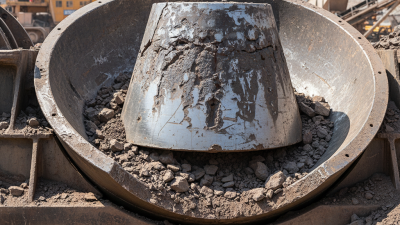
In the mining and metallurgical industries, the choice of Ball Mill and SAG Mill Liners plays a crucial role in operational efficiency. These liners protect the mill shell and enhance grinding performance. The global market for mill liners is expected to reach approximately $3 billion by 2026, growing at a CAGR of about 5% according to industry reports. This growth highlights the importance of selecting the right materials and designs for these liners.
Ball Mill SAG Mill Liners come in various types, including steel, rubber, and composite materials. Each type has unique advantages that can significantly impact operating costs and energy consumption. For instance, rubber liners are lighter and can offer better wear resistance in some applications. However, steel liners may provide superior durability under high-impact conditions. The decision on which liner to use involves analyzing specific operational conditions and the types of ores being processed.
While advancements in liner technology have improved performance, challenges remain. Users often report issues related to inconsistent wear patterns and premature liner failures, which can lead to significant downtime. Identifying the optimal liner configuration requires ongoing assessment and data analysis. Companies must reflect on their previous experiences to enhance future selections and drive efficiency in mill operations.
Overview of Ball Mill and SAG Mill Liners in China
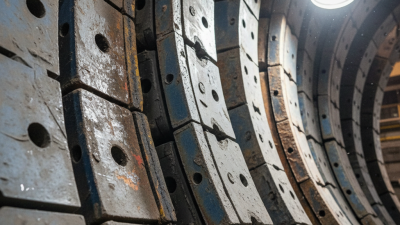
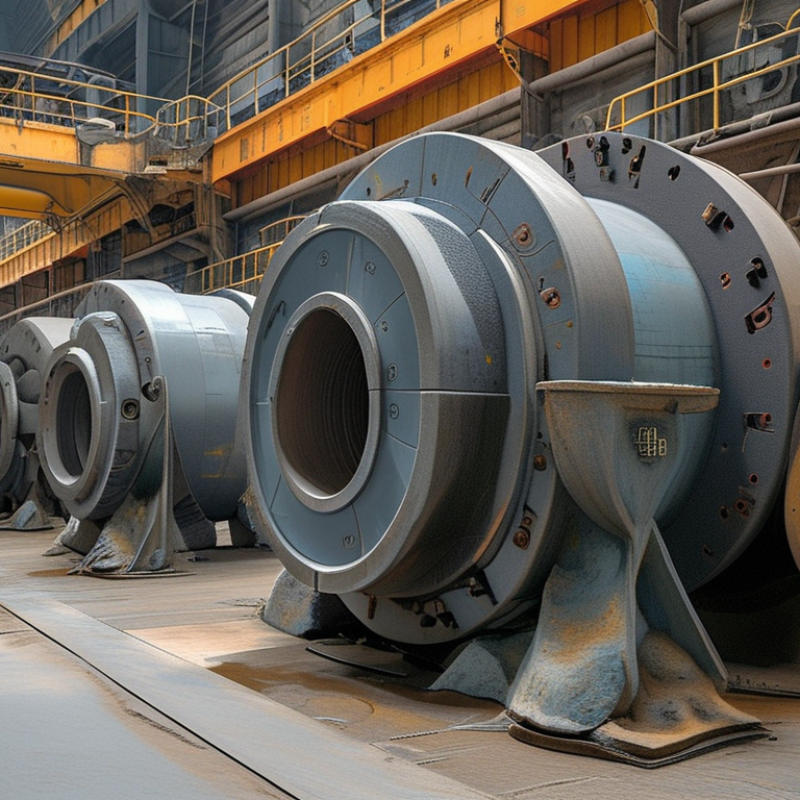
Ball mill and SAG mill liners are crucial components in the mining and mineral processing industries. In China, these liners are widely used in various applications, providing vital protection for the mill’s structure. Their main function is to absorb the impact and friction resulting from the grinding process, ensuring operational efficiency and longevity. Understanding the types and benefits of these liners can help industries optimize their processes.
When selecting mill liners, consider the material used. Common options include rubber and steel, each offering unique advantages. Rubber liners are lighter and provide better noise reduction, while steel liners are more durable under heavy impact conditions. Keep an eye on the wear patterns on your liners. Regular inspections can prevent unexpected downtime and costly repairs.
Tip: Always align your choice of liners with your specific milling needs. Customization can lead to better performance.
Another essential factor is the installation process. Proper mounting ensures optimal contact and reduces future wear. Inadequate installation can lead to uneven wear and hazards in the milling process.
Tip: Invest in training for your maintenance team. Knowledgeable staff can improve installation accuracy and extend liner life.
Overall, staying informed about the latest developments in mill liner technology can provide your facility with a competitive edge.
Key Materials Used for Manufacturing Mill Liners
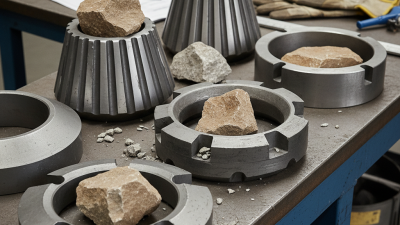
Mill liners play a crucial role in the efficiency and longevity of ball mills and SAG mills. The materials used in their production can significantly impact performance. Two common materials are rubber and metal. Rubber liners are known for their flexibility and resistance to abrasion. They can help reduce noise levels and are easier to handle. However, they may not last as long in high-impact environments. On the other hand, metal liners, often made from high-carbon steel, offer superior strength. These are ideal for demanding applications but can be heavier and more costly.
Additionally, composite liners combine the best of both worlds. They often use a metal frame and rubber surface, reducing wear while maintaining structural integrity. Understanding the nuances of these materials helps in selecting the right type for specific milling processes. Choosing the wrong liner can lead to frequent replacements and increased downtime. Regular evaluation of liner performance is essential in ensuring optimal productivity.
Top 10 Ball Mill Liners and Their Unique Features
When it comes to ball mill liners, understanding their unique features is crucial for efficiency in mining operations. These liners protect the mill and influence the grinding process. Different materials such as rubber, metal, and composite variants offer distinct benefits based on their application. Rubber liners, for instance, reduce noise and provide excellent wear resistance, while metal liners can enhance durability and strength.
Another important factor is the design of the liners. Some are engineered with grooves or waves to increase the grinding media’s movement. This design can significantly impact the grinding process. In terms of cost-effectiveness, selecting the right liner can lead to longer service life and reduced maintenance needs. However, transitioning to a new liner type may involve a learning curve and adjustment period.
Moreover, it’s essential to recognize the limitations of each liner type. For example, while rubber liners might excel in wear resistance, they may struggle with high-impact environments. Analyzing the specific needs of your mill and the materials processed is key. Missteps in selection can lead to unexpected downtime and costs, underscoring the need for thorough planning and consideration.
Top 10 SAG Mill Liners and Performance Benefits
SAG mill liners play a crucial role in milling efficiency and durability. The right liner material can dramatically enhance grinding performance. These components protect the mill shell and improve ore processing. Different designs and materials lead to unique performance benefits.
Incorporating high-grade alloys often results in better wear resistance. This reduces maintenance downtime and increases overall productivity. The thickness of liners can impact the grinding action. A thicker liner may offer extended life, but it can also affect the speed of wear and material flow. It's essential to strike a balance between longevity and performance.
Choosing the correct liner type requires expertise. Operators must analyze ore characteristics and milling conditions. They should also consider variables like impact and abrasion resistance. Each decision can have significant implications. Constant evaluation of liner performance can help. Identifying areas for improvement is a continuous journey. The goal is always to maximize efficiency in the milling process.
Trends and Innovations in Mill Liner Technology in China
In recent years, mill liner technology in China has seen substantial advancements. Innovations focus on enhancing durability and performance across various mining operations. New materials and designs are reshaping the industry, providing better wear resistance and lower operational costs.
Modern liners aim to maximize mill efficiency while minimizing outage times. Innovative shapes and custom designs are becoming common to fit specific mill types. Despite these advancements, challenges remain. Some liners may still underperform due to production inconsistencies or design flaws. Understanding these variables is critical. Regular assessments help identify and rectify issues promptly.
Additionally, the integration of smart technology is on the rise. Sensors embedded in liners can provide real-time data on wear and performance. This feedback loop enables proactive maintenance and helps avoid unexpected failures. It raises questions about the complexity of managing such advanced systems. Balancing innovation with practical applications requires ongoing evaluation.
Top 10 Ball Mill and SAG Mill Liners in China
This chart illustrates the market share of various types of ball mill and SAG mill liners in China. The data showcases the growing trends and innovations in mill liner technology, highlighting the diverse materials used in the manufacturing processes.