China Top 10 Scrap Metal Recycling Wear Parts Manufacturers
China’s scrap metal sector is expanding, and equipment durability now affects every processing stage. Scrap Metal Recycling Wear Parts protect shredders, crushers, conveyors, and sorting systems from severe abrasion. Their quality influences uptime, safety, energy use, and operating costs.
As circular-economy expert William McDonough has stated, “Waste equals food.” This principle fits metal recycling closely. Discarded steel and non-ferrous metals can return to manufacturing when machines operate reliably. However, recycling equipment itself must also be designed for longer service. A worn shredder hammer can reduce output, increase vibration, and contaminate recovered material with fragments.
This introduction examines China’s top 10 Scrap Metal Recycling Wear Parts manufacturers. The comparison considers alloy selection, heat treatment, machining accuracy, impact resistance, delivery capability, customization, and after-sales support. It also considers practical details, such as hammer weight consistency, liner fit, weld quality, and replacement intervals.
Small differences matter.
Some manufacturers focus on manganese steel. Others use chromium alloys, carbide overlays, or customized composite designs. No single material suits every recycling line. Ferrous scrap, copper cable, aluminum profiles, and mixed demolition waste create different wear conditions.
The ranking should not be treated as absolute. Public data can be incomplete, and performance depends on feedstock, machine settings, maintenance, and operator experience. Factory visits, test reports, and customer references remain valuable. A lower-priced part may cost more after repeated shutdowns. That is easy to overlook.
This guide offers a practical starting point for buyers seeking dependable suppliers, measurable performance, and longer equipment life in China’s competitive recycling market.
What Scrap Metal Recycling Wear Parts Are and Why They Matter
What Scrap Metal Recycling Wear Parts Are and Why They Matter
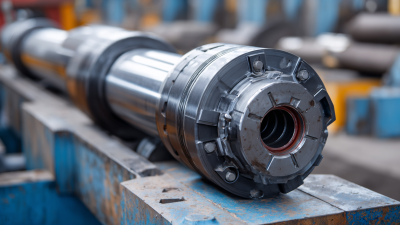
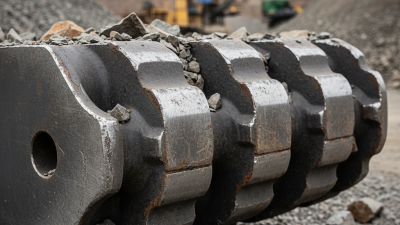
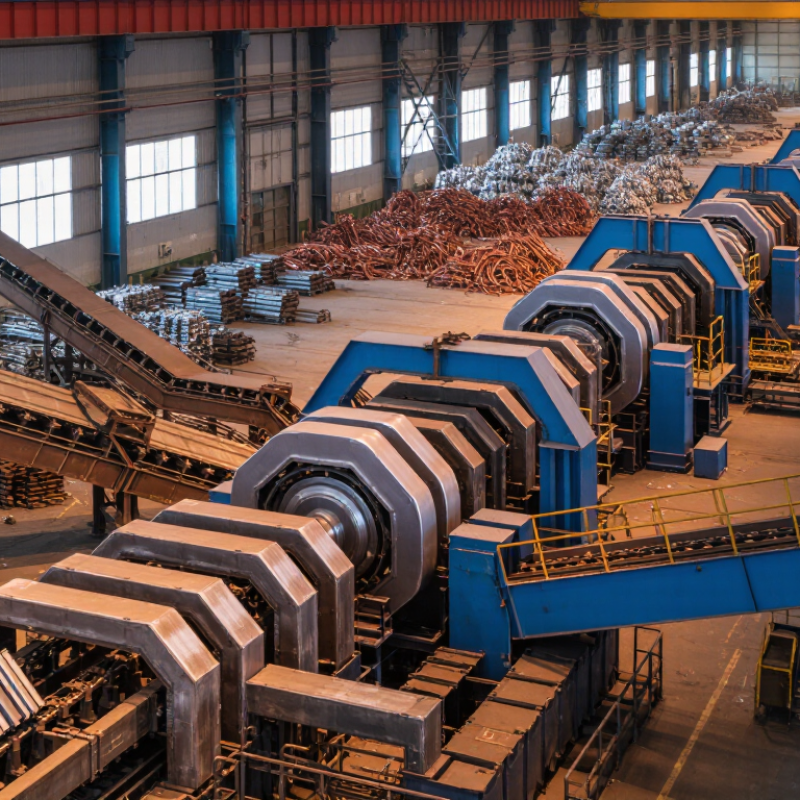
Scrap metal recycling wear parts are replaceable components exposed to constant impact, abrasion, and pressure. Common examples include crusher liners, shredder hammers, cutting edges, screens, and conveyor components. They protect the main machine while processing steel, aluminum, cables, and mixed metal loads. Without them, damage can quickly reach expensive shafts, frames, and drive systems.
Their value appears on the workshop floor. A worn hammer may produce uneven fragments and increase vibration. A thin liner can expose the crusher chamber to direct impact. These changes often raise energy use and create unplanned downtime. Small parts matter. In my experience, operators notice warning signs through noise, heat, loose fasteners, and changing product size. Measuring wear thickness during scheduled inspections provides more reliable evidence than visual judgment alone.
Material selection requires practical knowledge. High-impact applications may need tough alloy structures, while severe abrasion demands stronger surface resistance. Feed composition, moisture, particle size, and machine speed also influence service life. A part that performs well in clean steel may fail sooner with dirt-heavy scrap. The difference is measurable. However, expected life estimates are never perfect. Poor alignment, incorrect installation, or delayed maintenance can shorten them considerably. Recording replacement dates, operating hours, and failure locations helps teams improve future decisions. Manufacturers with documented testing, traceable materials, and clear technical guidance offer greater confidence to recycling operators.
How China’s Manufacturers Are Evaluated for a Top-10 Ranking
China’s scrap metal recycling wear parts manufacturers are evaluated through evidence, not attractive catalogues. A credible top-10 ranking considers field experience, engineering ability, production controls, and customer reliability. Evaluators may review wear plates, shredder hammers, liners, and replacement screens under real operating conditions. They examine hardness, chemical composition, impact resistance, dimensional accuracy, and service life. A polished brochure is not proof.
Site audits add practical insight. Inspectors may check heat-treatment records, material traceability, machining tolerances, and final inspection reports. They also compare delivery consistency, technical support, warranty handling, and communication during equipment failures. Independent test results carry more weight than unsupported claims. However, no scorecard is perfect. Different scrap materials and machine settings can change wear performance, so rankings should explain their limits clearly.
Tips: Ask for recent case data, not general promises. Compare performance per operating hour, rather than purchase price alone. Request sample inspection records and confirm how failures are investigated. A strong manufacturer should explain both successful results and disappointing ones. That honesty often reveals deeper technical maturity.
How China’s Manufacturers Are Evaluated for a Top-10 Ranking
The evaluation model uses weighted criteria commonly applied when comparing scrap metal recycling wear-parts manufacturers. Product durability, recycling efficiency, and material quality receive the highest weights because they directly influence operating life, throughput, and total maintenance cost.
Top 10 Chinese Manufacturers of Scrap Metal Recycling Wear Parts
China Top 10 Scrap Metal Recycling Wear Parts Manufacturers
China has become a major manufacturing base for scrap metal recycling wear parts. Its suppliers produce shredder hammers, crusher liners, grates, anvils, and sorting-machine components. Demand is supported by rising metal recovery needs. The Bureau of International Recycling reported that ferrous scrap remains the world’s most recycled material by volume. World Steel Association data also indicates that more than 600 million tonnes of steel scrap are recycled globally each year.
The top 10 Chinese manufacturers should be assessed beyond price and catalog size. Reliable suppliers normally provide chemical composition, hardness ranges, impact-test results, and heat-treatment records. These details matter when a hammer faces abrasive steel, sudden impact, and uneven feed. Practical buyers should also inspect machining accuracy and replacement compatibility. A small dimensional error can increase vibration and downtime.
Service history matters more than impressive claims. Ask for documented wear-life results from comparable recycling lines. Some suppliers report hardness but omit toughness, which can create brittle failures. That is a weakness worth questioning. Regional production capacity can shorten delivery times, while export experience may improve packaging and technical communication. Still, factory visits and independent testing remain valuable. A polished brochure is not evidence. (BIR, World Recycling Facts 2024; World Steel Association, Steel Facts 2024)
How to Choose the Right Chinese Wear Parts Manufacturer
Choosing a Chinese wear parts manufacturer for scrap metal recycling requires more than comparing quotations. Shredder hammers, cutter blades, anvils, and liners face impact, abrasion, heat, and uneven feedstock. Ask about alloy composition, heat treatment, hardness range, and dimensional tolerances. A reliable supplier should provide material certificates and recent test reports. Photos alone are not enough.
Factory experience matters. Request drawings, production records, and references from recycling operations with similar equipment. Check whether the manufacturer controls casting, forging, machining, and final inspection internally. Traceability is important. Each batch should have a clear production code. During supplier evaluations, I have found that fast replies can hide weak technical support. That mistake is expensive.
Tips: Send actual operating details, including material type, machine model, daily hours, and failure patterns. Order a small trial batch before making a long-term commitment. Measure wear after a fixed number of operating hours. Compare service life, not only purchase price. Confirm packaging, delivery dates, replacement procedures, and communication after installation. A factory audit, video inspection, or independent quality check can reveal details that a polished website misses. Ask difficult questions. Good suppliers will answer with evidence.