What are the Best Mining Jaw Crushers for Global Buyers?
In the mining industry, selecting the right equipment is crucial. Mining Jaw Crushers play a significant role in material processing. According to a recent report by Grand View Research, the global jaw crusher market is expected to reach $2.2 billion by 2025. This growth is driven by the increasing demand for minerals and metals worldwide.
Experts emphasize the importance of choosing the best Mining Jaw Crushers. Dr. James Hetherington, a leading figure in mining technology, notes, “The efficiency of a jaw crusher can make or break an operation.” His insights highlight the need for reliability and performance in equipment selection. Buyers must consider various factors, including durability, capacity, and adaptability.
Investing in the right Mining Jaw Crusher can lead to long-term benefits. However, not all products meet the highest standards. Some may fall short in energy efficiency or maintenance requirements, requiring reflection on purchasing decisions. Buyers should thoroughly evaluate options to ensure optimal performance in their operations.
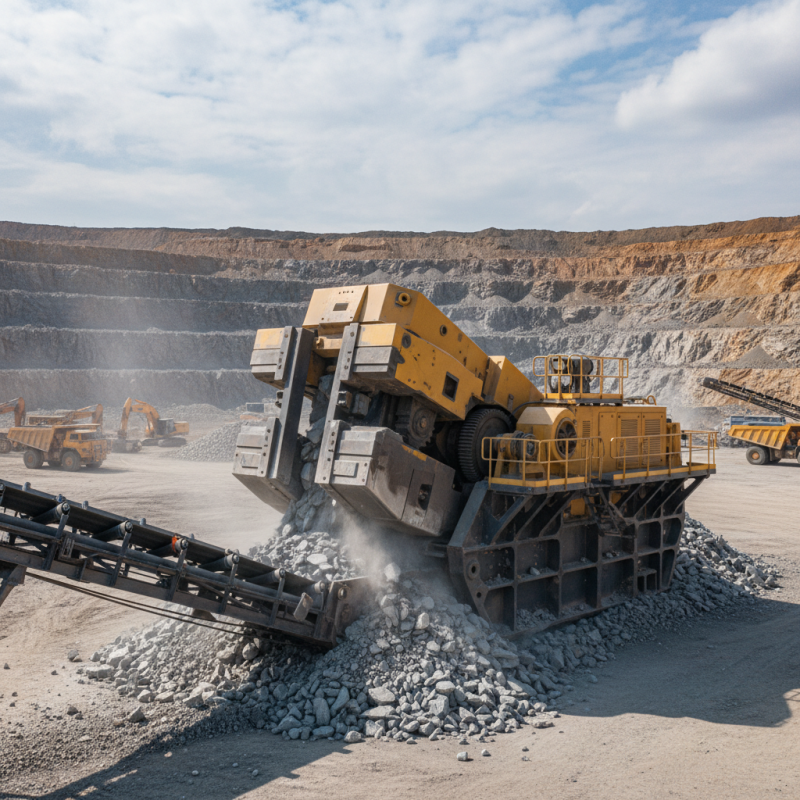
Overview of Mining Jaw Crushers in the Global Market
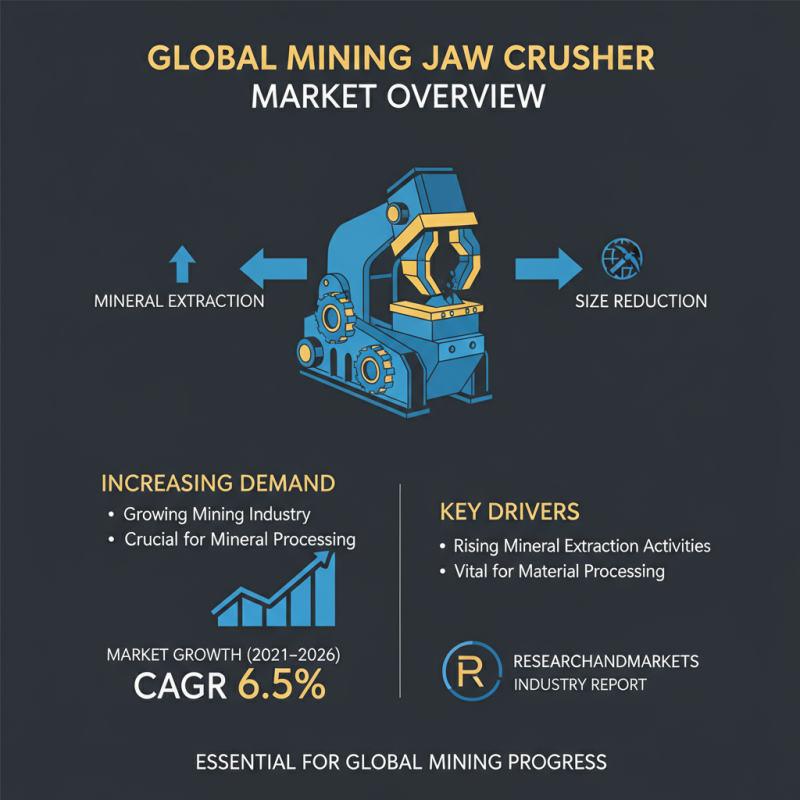
Mining jaw crushers have seen increasing demand as the global mining industry expands. These machines play a vital role in size reduction processes, making them critical in mineral processing. According to a recent industry report by ResearchAndMarkets, the mining jaw crusher market is expected to grow at a CAGR of 6.5% from 2021 to 2026. This growth can be attributed to rising mineral extraction activities worldwide.
When examining the global market, it’s essential to consider factors such as material hardness and throughput capacity. Typical mining jaw crushers vary in sizes, ranging from small models for localized extraction to larger machines that handle bulk material. Reports indicate that machines with a throughput capacity of over 500 tons per hour are gaining traction. However, buyers must reflect on their specific needs, such as power consumption and maintenance frequency.
Despite the advancements in technology, challenges remain. The high initial capital required for these crushers can be a barrier for some buyers. Moreover, environmental regulations are tightening, pushing for more efficient and lower-emission options. Stakeholders in the mining sector must navigate these dynamics carefully while making purchasing decisions.
Key Features to Consider When Selecting Jaw Crushers
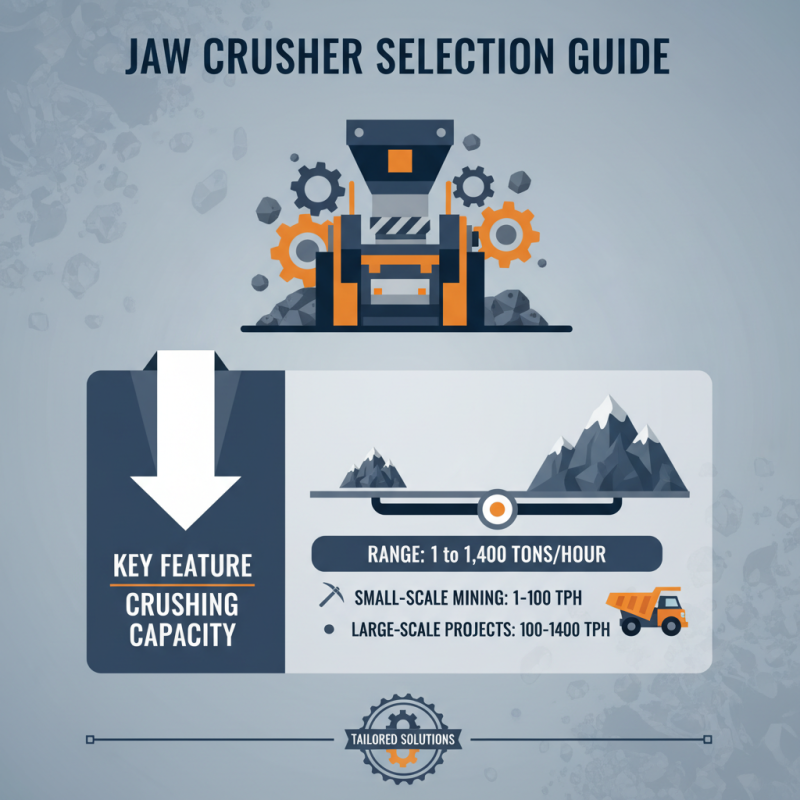
When selecting a jaw crusher for mining purposes, understanding key features is crucial. The crushing capacity is a primary consideration. According to recent industry reports, jaw crushers typically range from 1 to 1,400 tons per hour. This wide range allows for tailored solutions to specific mining operations, whether for smaller scale or larger projects.
Another significant feature is the feed opening size. Larger feed openings accommodate more substantial materials. However, this can also mean more wear and tear on the machine. Reports indicate that some operators neglect maintenance, leading to increased downtime. It’s important to balance size with operational efficiency to minimize costs.
Additionally, the material of construction matters. Durable materials enhance longevity and reduce replacement frequency. Recent findings highlight that high-carbon steel and manganese alloys are common choices. These materials can withstand harsh conditions but may increase overall weight and logistics costs. Hence, miners must evaluate their operational requirements closely. This thoughtful approach ensures a well-rounded decision is made regarding jaw crusher acquisition.
Top Brands and Their Popular Models for Buyers
Mining jaw crushers are essential for breaking down large rock and ore materials.
Selecting the right one can impact efficiency and expense.
Different models cater to varying needs. Some focus on durability, while others emphasize speed.
Understanding the differences is crucial for buyers seeking the best performance.
A few top models stand out in terms of reliability and ease of maintenance.
They often feature advanced technology for better control and efficiency.
Pay attention to the size of the feed and output specifications. Some models may excel in specific applications.
However, not all units perform well in every situation. This variability warrants careful consideration.
Tips for choosing a mining jaw crusher include evaluating your specific needs.
Assess the materials you will process. Also, consider the location and space available for installation.
Maintenance can be a significant factor. Opt for models that allow for easy access to components.
This can reduce downtime and increase productivity. Remember, investing in quality equipment pays off in the long run.
Comparative Analysis of Performance and Durability
When assessing mining jaw crushers, performance and durability are critical factors. These machines face rigorous conditions, including harsh environments and heavy loads. Durable machines resist wear and tear, extending the lifespan and reducing maintenance costs. Reliable materials and solid engineering often mark the best models.
Performance metrics usually include crushing speed and efficiency. A good jaw crusher maximizes throughput while maintaining consistent output quality. Buyers should consider how well a machine handles different materials under tough conditions. Some crushers may excel in specific tasks but falter in others. This inconsistency demands careful evaluation.
A crucial aspect can be the ease of maintenance. Regular upkeep is essential for long-lasting equipment. Some models are cumbersome to service, which can complicate operations. A machine that is easier to access may save time and enhance productivity. Reflecting on these factors can lead to more informed purchasing decisions for global buyers.
What are the Best Mining Jaw Crushers for Global Buyers? - Comparative Analysis of Performance and Durability
| Model |
Max Capacity (t/h) |
Weight (kg) |
Jaw Size (mm) |
Durability Rating (Years) |
Average Price ($) |
| Model A |
150 |
18000 |
1000 x 800 |
10 |
65000 |
| Model B |
200 |
22000 |
1200 x 900 |
12 |
85000 |
| Model C |
300 |
28000 |
1400 x 1100 |
15 |
95000 |
| Model D |
100 |
15000 |
900 x 600 |
8 |
45000 |
Cost Considerations and Budgeting for Mining Jaw Crushers
When considering the purchase of mining jaw crushers, cost is a critical factor. The initial price is only one part of the equation. Buyers must account for operational expenses, maintenance, and downtime costs. Industry surveys suggest that total cost of ownership can exceed initial purchase prices by 30% to 50% over three to five years. Moreover, the larger the machine, the higher the operational cost.
Budgeting for mining equipment requires foresight. Beyond purchase costs, potential buyers need to budget for installation and commissioning. Many reports indicate that installation can range from 10% to 15% of the equipment price. Additionally, unexpected repair costs can arise, often due to poor maintenance practices. Some operators report spikes in expenses due to unplanned downtimes caused by equipment failures. These factors can strain budgets, especially for small to medium-sized operations.
Buyers should also consider financing options. Leasing can reduce upfront costs, but may increase long-term expenditures. Depending on the contract terms, leasing might involve higher rates over time. Understanding the pros and cons of each option is vital. Prioritizing long-term planning and comprehensive budgeting will enhance financial viability. This approach offers a clearer picture of the total investment required in mining jaw crushers.
Mining Jaw Crushers Cost Comparison