Top Insights on Ball Mill and SAG Mill Liners for Optimal Performance
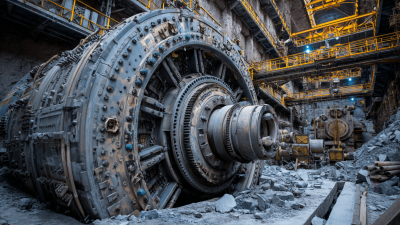
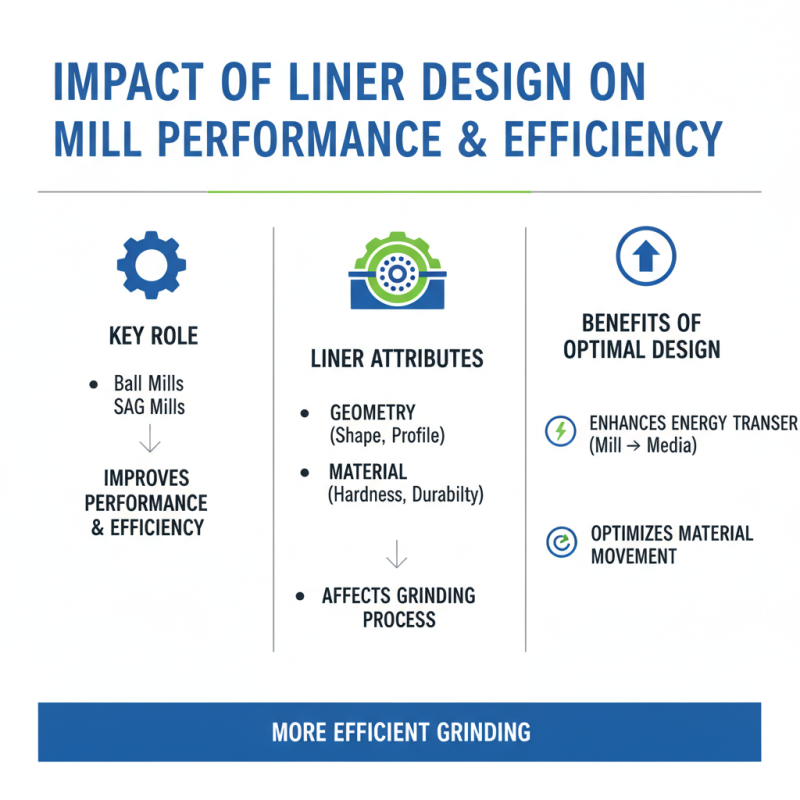
In the world of mineral processing, the efficiency of milling operations greatly relies on quality equipment. Ball mills and SAG mills are key players in this field. However, the performance of these mills hinges on one critical component: the liners. Understanding the significance of Ball Mill SAG Mill Liners can lead to improved operational performance.
These liners not only protect the mill structure but also affect the grinding efficiency. Properly designed liners enhance the motion of the charge inside the mill. They contribute to wear resistance and, ultimately, the longevity of the equipment. Yet, many operations overlook the importance of selecting and maintaining the right liners. This oversight can lead to decreased performance and higher operational costs.
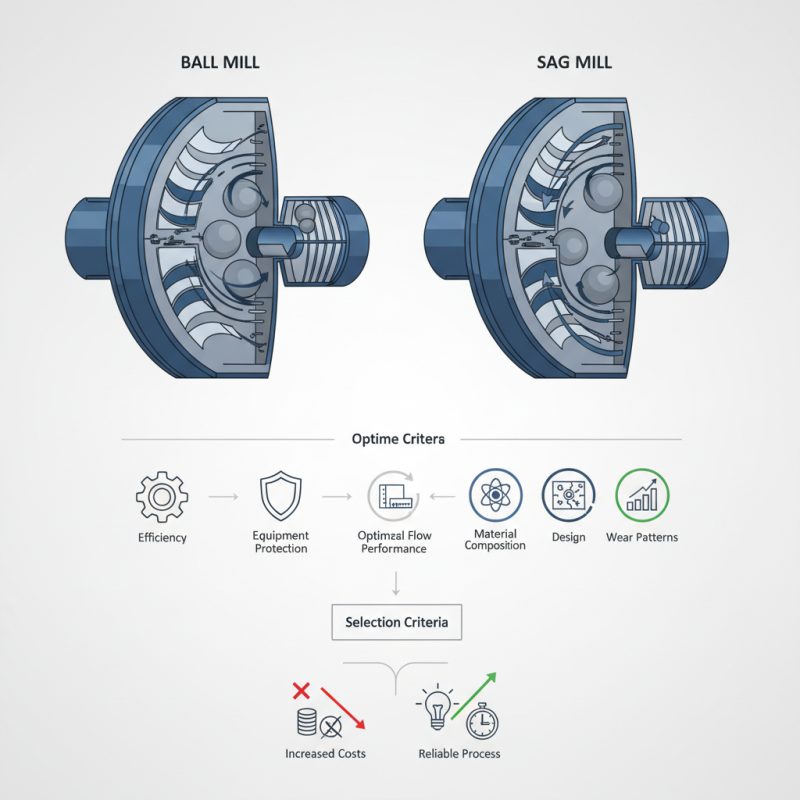
Choosing the best Ball Mill SAG Mill Liners involves considering various factors. Material composition, design, and wear patterns all play a role. Each mill environment is unique, and liners must be tailored to specific processing needs. A deep dive into these aspects reveals opportunities for optimization. Further exploration into failure modes can also provide valuable insights. With the right approach, operators can achieve more efficient and reliable milling processes.
Understanding the Role of Liners in Ball Mills and SAG Mills
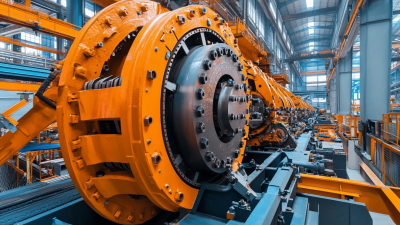
The role of liners in ball mills and SAG mills is crucial for optimal performance. Liners play a protective role by shielding the mill's interior from wear while enhancing the movement of the grinding media. These liners are essential for maintaining the efficiency of the grinding process. They also influence the overall energy consumption of the mill, affecting its operational costs.
Liner materials can vary, each offering different benefits and drawbacks. Rubber liners are lighter and can reduce noise but may wear out faster than steel liners. Steel liners provide robustness and longer life but may lead to increased energy consumption. Choosing the right material is vital and should be based on specific operational conditions. Sometimes, the decision might not yield the expected results, requiring a reassessment of the chosen liner type.
Understanding the wear patterns of liners is another key aspect. Regular monitoring is necessary to identify when liners need replacement. This proactive approach minimizes unplanned downtime. In practice, balancing durability, cost, and performance may require trial and error. This process is essential for continuous improvement and efficient mill operation.
Top Insights on Ball Mill and SAG Mill Liners for Optimal Performance
| Liner Type |
Material |
Typical Lifespan (Months) |
Performance Impact |
Cost Efficiency |
| Wave Liners |
Rubber & Steel |
6-12 |
High Impact Resistance |
Moderate |
| Flat Liners |
Steel |
12-18 |
Enhanced Grinding Efficiency |
High |
| Lifters |
High Carbon Steel |
8-14 |
Improved Material Movement |
Moderate |
| Shell Liners |
Manganese Steel |
10-16 |
Robust Protection |
High |
| End Liners |
Epoxy Composite |
9-15 |
Minimizes Wear |
Moderate to High |
Types of Liners Used in Ball Mills and SAG Mills
When considering the types of liners used in ball mills and SAG mills, it’s essential to understand their roles. Liners protect the mill shells and control the wear rate. This protection is vital for optimizing performance and ensuring operational efficiency. Different materials are used for liners based on the type of mill and the grinding environment.
Ball mills typically utilize rubber and steel liners. Rubber liners offer excellent elasticity and reduce noise. They are light, which helps in decreasing the overall energy consumption of the mill. In contrast, steel liners provide high wear resistance but can increase noise levels. They are usually chosen for their durability in high-impact conditions.
SAG mills, on the other hand, often rely on a combination of both types. Composite liners, which blend materials, have gained popularity. These liners can enhance performance by balancing durability and wear life. However, selecting the right liner involves understanding the specific operational conditions. A mismatch can lead to significantly increased downtime and maintenance costs. Thus, careful consideration is essential for optimal milling performance.
Ball Mill and SAG Mill Liner Performance Insights
This chart illustrates the wear rates of various types of liners used in ball mills and SAG mills, highlighting the performance differences among high chrome, rubber, steel, and ceramic liners. A lower wear rate indicates a more durable liner, contributing to optimal mill performance.
Maintenance Strategies for Extending Liner Life in Milling Operations
Maintaining the liners of ball mills and SAG mills is crucial for optimal performance in milling operations. Regular monitoring and timely maintenance can significantly extend the lifespan of these components. According to a recent study by the Journal of Mining and Metallurgy, proper maintenance can increase liner life by up to 30%. This approach reduces unplanned downtime, which can be costly.
One effective strategy is the use of wear-resistant materials. Research shows that implementing advanced composite materials can enhance durability. Using these materials strategically in high-wear areas provides additional protection, resulting in fewer replacements. Additionally, monitoring the wear rates with predictive analytics helps in scheduling maintenance before failures occur. This approach minimizes operational disruptions.
Periodic inspections should focus on the condition of the liners. Operators often overlook the minor damages that can escalate into significant issues. Inspection intervals influenced by operational conditions prove essential. For instance, in high-throughput environments, even slight wear can lead to increased energy consumption. Adjusting maintenance schedules based on wear observations maximizes efficiency and reduces costs.
Recent Innovations in Liner Materials and Technologies for Mills
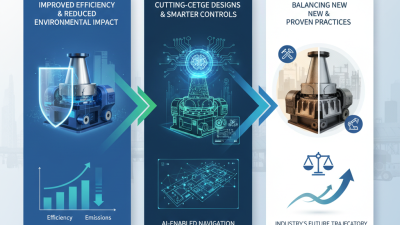
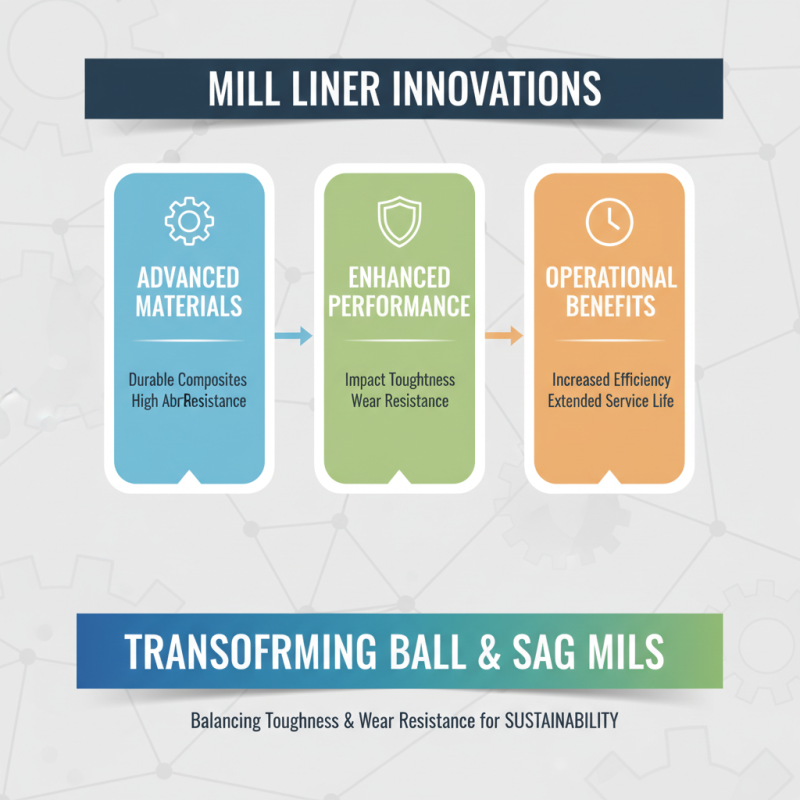
Recent innovations in liner materials and technologies are transforming the efficiency of ball mills and SAG mills. Advances in materials science have led to the development of more durable linings. These new composites can withstand higher abrasion levels while maintaining structural integrity. The key is balancing toughness with wear resistance. This is crucial for maintaining operational efficiency over time.
While traditional liners have served well, they often fall short under extreme conditions. The latest iterations incorporate elements that enhance their performance, such as ceramic compounds. These additions provide improved impact resistance, which can extend the lifespan of the liners significantly. However, these technologies can be costly and require careful assessment for each application.
Understanding the specific requirements of your milling process is vital. Not all innovations will suit every operation. Continuous monitoring and analysis can help determine the best fit for your needs. Gathering data on wear patterns and performance metrics is essential. This allows for informed decisions in liner selection, ultimately reflecting the need for adaptability in technology use.