2026 Top Swing Jaw Crusher Plate Innovations and Applications?
In the world of crushing technology, innovations in the design of the Swing Jaw Crusher Plate are critical. As industry expert Dr. Mark Smith states, "The effectiveness of a jaw crusher significantly hinges on its swing jaw design." This highlights the importance of a well-engineered swing jaw plate in enhancing performance and efficiency.
Recent advancements focus on materials and design configurations that improve durability and reduce wear. Many manufacturers are experimenting with new alloys and composite materials. These innovations lead to longer lifespans and lower maintenance costs. Understanding these applications becomes essential for operators who aim to optimize equipment performance.
However, the quest for improvement isn't without challenges. As technology evolves, some designs may not hold up under real-world conditions. It is crucial for companies to invest in testing and validation. This ensures that new innovations in the Swing Jaw Crusher Plate will result in tangible benefits. Balancing creativity with reliability remains a key consideration in this competitive field.
2026 Trends in Swing Jaw Crusher Plate Innovations
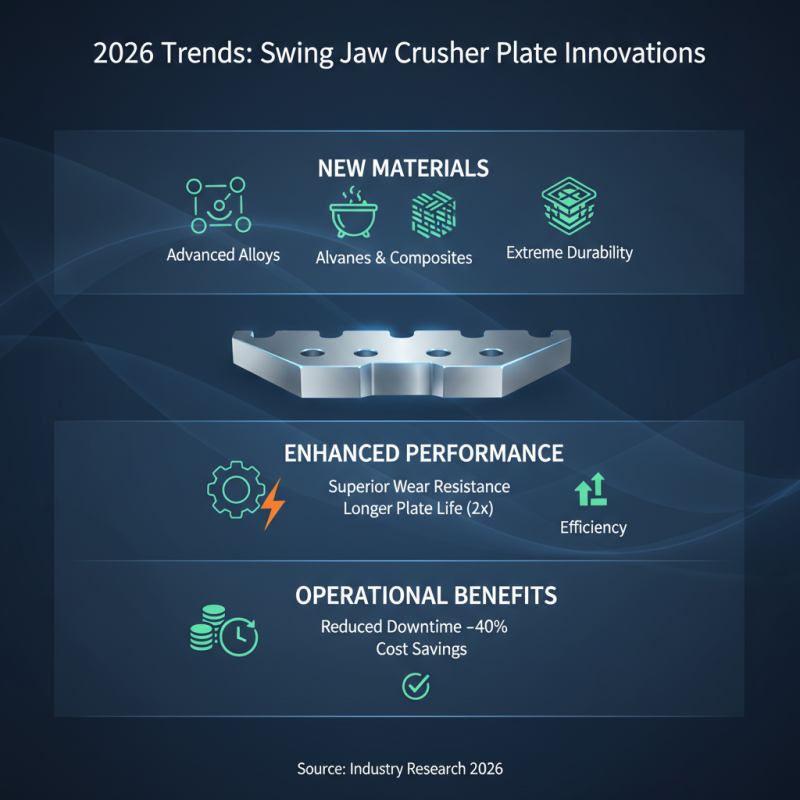
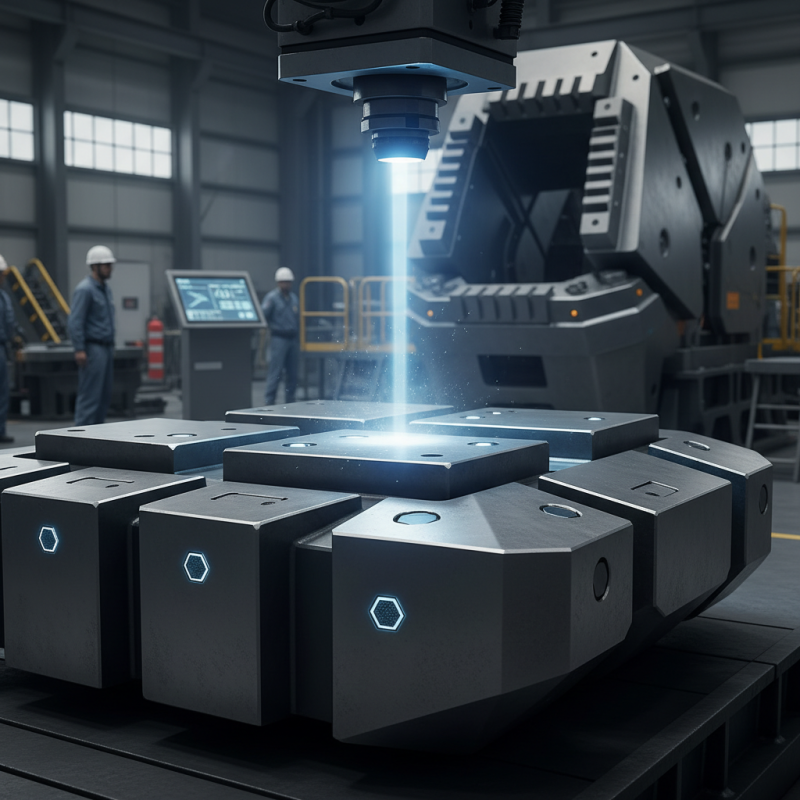
In 2026, the swing jaw crusher plate designs are expected to see significant innovation. Engineers are focusing on materials that provide better durability and efficiency. New alloys and composites are being tested to withstand harsh operating conditions. Enhanced wear resistance can lead to longer plate life, reducing the need for frequent replacements. This not only saves costs but also minimizes downtime in production.
Another trend involves the integration of advanced technologies. Smart monitoring systems may be introduced to track wear and performance in real time. This allows for proactive maintenance, which can optimize the crushing process. Connected systems can analyze data to predict failures before they occur. However, these advancements require significant investment and may not be accessible to all operators.
Additionally, the industry is realizing the importance of sustainability. Eco-friendly materials for swing jaw plates could emerge. This might reduce the environmental impact of mining. Yet, the balance between sustainability and performance remains a challenge. Innovations must deliver on efficiency while being mindful of ecological effects. The future of swing jaw crusher plates could redefine productivity, but careful consideration is needed.
Key Materials and Technologies for Enhanced Jaw Crusher Plates
The design and materials used in swing jaw crusher plates are evolving rapidly. Innovative solutions focus on improving durability and efficiency. The industry sees increased use of high-strength steel and advanced wear-resistant alloys. These materials enhance the performance of the plates, extending their lifespan in challenging environments.
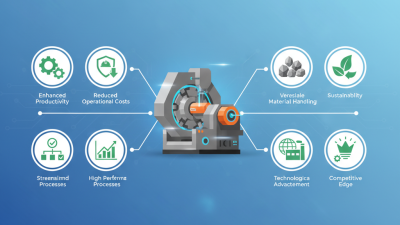
Recent studies indicate that the adoption of advanced composites can improve operational efficiency by up to 25%. These composites often combine lightweight properties with high tensile strength. This results in reduced wear and lower operational costs over time. Implementing these innovations is crucial for competitive advantage in mining and construction.
However, challenges remain. Not all materials perform equally across different applications and conditions. Manufacturers must conduct thorough testing to ensure reliability. It is vital to balance performance improvements with cost-effectiveness. A one-size-fits-all approach may lead to unsatisfactory results. Investing in R&D is key to navigating these complexities.
Applications of Swing Jaw Crusher Plates in Various Industries
Swing jaw crusher plates are vital components in the mining, construction, and recycling industries. They enable efficient crushing and shaping of materials. These plates help in reducing large rocks into smaller, manageable sizes. This process is essential for enabling further processing or transport.
In mining, swing jaw crusher plates contribute to the extraction of minerals. They crush ore efficiently, making mineral separation easier. In construction, these plates are used to handle concrete and asphalt. They break down waste materials into usable aggregates. This recycling process saves resources and reduces environmental impact.
Tip: Always inspect swing jaw plates for wear and tear. Regular maintenance can increase their lifespan. Remember, damaged plates can reduce efficiency and increase costs.
In the recycling industry, these plates play a crucial role. They help in processing metals and plastics. The swing action allows for better material flow and crushing efficiency. However, finding the right balance between durability and performance is challenging. Some materials can wear down plates quickly, leading to frequent replacements.
Tip: Consider using high-quality materials for better durability. Investing in robust swing jaw plates can enhance your operation's efficiency. Examine your operational conditions to choose the best options.
Impact of Design Innovations on Crushing Efficiency and Durability
Innovations in swing jaw crusher plate design significantly enhance crushing efficiency and durability. The latest advancements focus on material improvements and optimized shapes. By employing high-strength steel and composite materials, manufacturers increase wear resistance. This results in longer service life and reduced downtime. A report by the Mining Industry Council indicates that innovative plate designs can boost productivity by up to 30%.
Recent studies show a direct correlation between design innovations and crushing efficiency. For instance, refined geometries can effectively manage stress distribution during operation. Enhanced design reduces the risk of premature failures. However, some new designs may require specific maintenance protocols that are not yet fully understood. This introduces a learning curve for operators. A survey highlighted that 15% of users faced challenges during implementation.
Despite the impressive benefits, these innovations come with their complexities. Not all operators have adapted to advanced monitoring technologies. Misalignment in expectations can lead to suboptimal performance. Understanding the balance between innovation and reliability is crucial. The goal is to create future-proof solutions that address current operational challenges while paving the way for improvements.
Future Directions for Swing Jaw Plate Developments and Research
The future of swing jaw plate development holds significant promise. Innovations are expected to enhance efficiency and durability. Researchers are exploring advanced materials that offer better wear resistance. These materials can withstand harsher conditions while maintaining structural integrity. Enhanced designs may also improve the mechanical advantages of these plates.
In terms of research directions, there is a strong focus on modeling and simulation technologies. These methods can predict performance under different loading conditions. This approach helps engineers design more effective swing jaw configurations. Moreover, sustainability is becoming integral to development efforts. Eco-friendly materials are being examined to reduce environmental impact.
A key consideration remains the cost-effectiveness of new designs. Balancing performance with production expenses is crucial. Some proposed innovations may require significant investment, which could deter widespread adoption. Continuous feedback from the field will be essential for refining these advancements. Exploring practical applications in diverse settings will provide valuable insights and guide future improvements.