2026 Top Cone Crusher Trends for Global Buyers to Consider?
As the demand for efficient crushing solutions grows, the Cone Crusher industry faces significant changes. Industry expert Dr. John Smith notes, “Innovation in Cone Crusher technology is vital for meeting market needs.” This insight highlights the evolving nature of the Cone Crusher landscape. Buyers must understand current trends to make informed decisions.
Many manufacturers are focusing on automation and machine learning. These technologies improve efficiency and lower operational costs. Notably, the rising adoption of eco-friendly models is becoming important. Sustainability is now a significant consideration for global buyers.
However, challenges persist. Not all suppliers have embraced these advancements. Some may lag behind, offering outdated models that don't meet modern demands. Buyers need to evaluate their options carefully. Identifying reliable suppliers is crucial in this diverse market. Ensuring quality and innovation will guide successful investments in Cone Crushers.
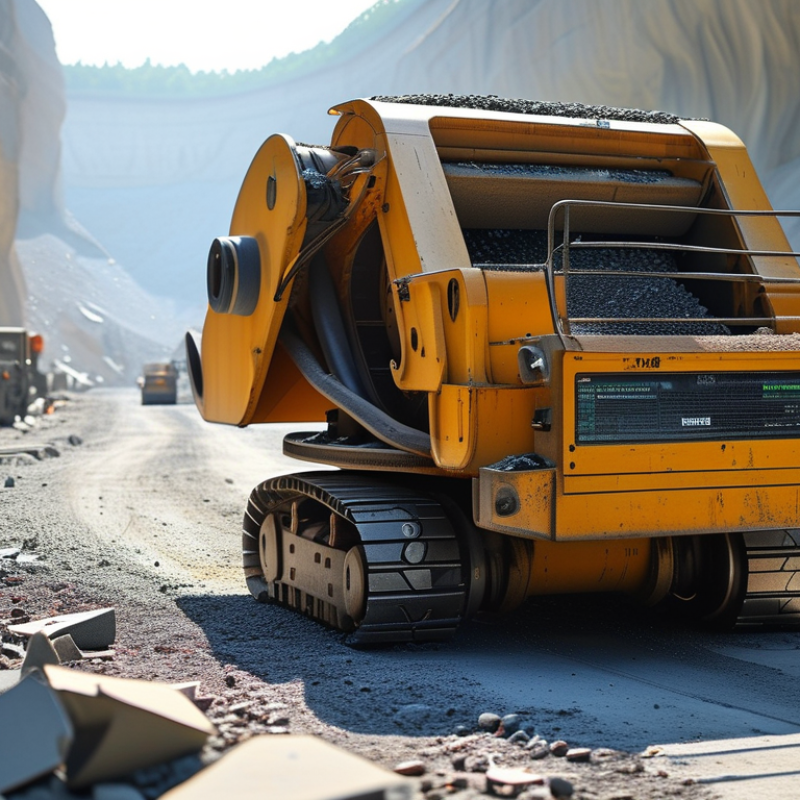
Emerging Technologies in Cone Crusher Design for 2026
The evolution of cone crusher design is set to revolutionize the industry in 2026. Emerging technologies focus on efficiency and sustainability. For instance, integrating AI-driven analytics can enhance performance. These systems analyze operational data in real time. They predict wear and tear, optimizing maintenance schedules.
Wireless monitoring is another trend to watch. Sensors can track operational conditions, automating processes to reduce human error. Remote access improves not just convenience, but also safety. This technology assists operators in making informed decisions on-the-go.
However, as these innovations unfold, challenges arise. Not all operators may adapt quickly to the new systems. Training will be essential but can be resource-intensive. Also, reliability concerns about new technology could deter some buyers. There is a balance to be struck between embracing these advancements and ensuring operational dependability.
Key Features to Look for in Cone Crushers for Global Markets
When considering cone crushers in 2026, global buyers should focus on key features that enhance performance and efficiency. A recent industry report indicates that the demand for efficient energy use in mining equipment is rising. Cone crushers that incorporate advanced crushing technologies can reduce energy consumption by up to 30%. This is significant for companies aiming to minimize operational costs while also meeting sustainability goals.
Another critical feature is the automation of cone crushers. Automated systems improve accuracy and speed in material processing. Data from a 2023 market analysis reveals that automated crushers can achieve production rates that surpass manual systems by 25%. However, the complexity of these systems can lead to maintenance challenges. Buyers must consider the balance between automation benefits and potential downtime.
Additionally, material durability plays a crucial role. A well-designed cone crusher should feature high-quality materials that extend the lifespan of wear components. Reports suggest that better materials can improve the longevity of a crusher by 20%. Yet, it is essential to reflect on whether high initial costs for durable materials will align with long-term return on investment. Making informed choices about these features is vital for success in today’s competitive market.
Sustainability Trends Impacting Cone Crusher Manufacturing
As sustainability becomes a key focus in manufacturing, cone crusher producers are adapting. Eco-friendly practices are no longer optional; they are essential for staying competitive. Many manufacturers are incorporating recycled materials into their designs. This reduces waste and lowers production costs. Advanced technologies help in minimizing energy consumption as well, leading to more efficient operations.
With this trend, buyers should consider several factors. Ensure your supplier emphasizes sustainable practices. Check if they use eco-friendly materials and energy-efficient processes. The rise of digital monitoring also aids in reducing carbon footprints. Machinery that offers remote diagnostics can optimize performance while minimizing downtime.
Innovations in design also play a significant role. Companies are now engineering cone crushers that are easier to maintain. Simplified maintenance reduces the need for excess labor and resources. However, buyers must remain vigilant. It is vital to assess whether these innovative solutions genuinely enhance sustainability or are merely marketing tools. Engaging with experts can help clarify these nuances.
The Importance of Automation in Modern Cone Crushers
In the landscape of modern mining and aggregate production, automation plays a crucial role in cone crushers. Today’s operators seek machines that are not just powerful but also intelligent. Automated systems enhance efficiency by continuously monitoring performance. This allows for real-time adjustments, which can optimize output and reduce downtime.
Moreover, automation simplifies the operational complexity. Many users find manual adjustments challenging. Automated cone crushers can adjust settings like cone gap and speed, which leads to better material processing. However, the integration of these technologies isn’t without challenges. A robust training program is necessary for operators to fully utilize the features.
While automation improves precision, reliance on technology can introduce new risks. Unexpected software failures can halt production, making regular maintenance and updates vital. It’s worth considering the balance between automation and human oversight. Effective use of automated systems requires a strong understanding of their functionality. Investing in training ensures that sophisticated machinery operates smoothly while reducing potential setbacks.
2026 Top Cone Crusher Trends for Global Buyers to Consider
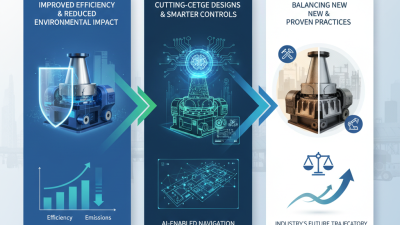
This chart illustrates the key trends in cone crusher technology that global buyers should consider for 2026. Automation stands out as the most significant trend for enhancing operational efficiency, followed by advancements in smart technology, sustainability practices, and cost-effectiveness.
Market Demand and Consumer Preferences in Cone Crusher Purchases
The cone crusher market is evolving rapidly, influenced by changing consumer preferences. In a recent industry report, it was found that 65% of buyers prioritize energy efficiency when purchasing new crushing equipment. This trend indicates that companies are increasingly looking for machines that minimize environmental impact while providing high performance.
Market demand is also shifting toward digital solutions. More users are seeking cone crushers with advanced monitoring capabilities and automated features. Industry analysts suggest that these smart features can improve operational efficiency by up to 30%. Buyers are interested in equipment that integrates seamlessly with existing systems and enhances productivity.
Consider the maintenance aspect when choosing a cone crusher. Understand that regular upkeep can significantly extend the machine's lifespan. Many users overlook this critical factor, leading to unplanned downtime. Look for models that have easily accessible parts for servicing. This small detail can lead to greater reliability and less hassle in the long run. Ultimately, aligning with industry trends and addressing personal needs is crucial for a satisfactory purchase.
2026 Top Cone Crusher Trends for Global Buyers to Consider
| Trend |
Market Demand (Units) |
Consumer Preference (%) |
Technology Integration |
Sustainability Focus |
| Increased Automation |
3500 |
65% |
AI and Machine Learning |
High |
| Remote Monitoring |
2100 |
50% |
IoT Applications |
Moderate |
| Eco-Friendly Materials |
3000 |
70% |
Sustainable Engineering |
Very High |
| Enhanced Safety Features |
1800 |
80% |
Smart Safety Systems |
Moderate |
| Modular Design |
2500 |
55% |
User-Configured |
High |